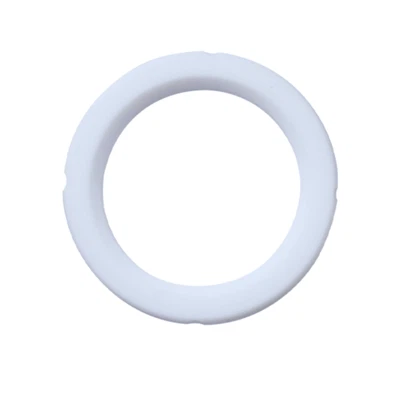
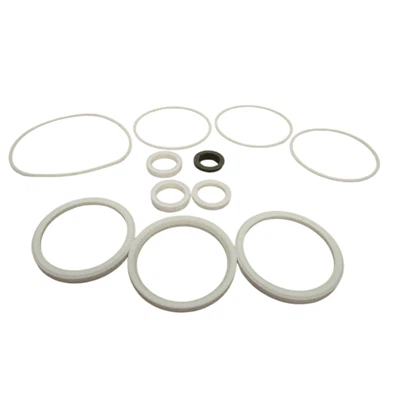
As a supplier of RPTFE in Valve, I often encounter inquiries about the chemical compatibility of Reinforced Polytetrafluoroethylene (RPTFE) in valve environments. In this blog, I'll delve into the details of what makes RPTFE a remarkable material in valve applications from the perspective of chemical compatibility.
Understanding RPTFE
RPTFE, or Reinforced Polytetrafluoroethylene, is an enhanced version of traditional PTFE. PTFE is well - known for its excellent chemical resistance, low friction coefficient, and high temperature stability. However, it has some limitations in terms of mechanical strength, such as creep and cold flow. Reinforcing PTFE with materials like glass fibers, carbon fibers, or bronze can significantly improve its mechanical properties while maintaining a high level of chemical resistance.
Chemical Compatibility Basics
Chemical compatibility refers to the ability of a material to resist the chemical attack of substances it comes into contact with. In valve environments, RPTFE is exposed to a wide range of chemicals, including acids, bases, solvents, and various industrial fluids. The chemical compatibility of RPTFE is determined by its molecular structure and the nature of the reinforcing agents.
The backbone of PTFE is a long - chain carbon atom with fluorine atoms attached to it. The carbon - fluorine bond is one of the strongest in organic chemistry, which gives PTFE its excellent chemical resistance. Most chemicals cannot break this bond under normal conditions. When it comes to RPTFE, the reinforcing agents are carefully selected to ensure that they do not compromise the chemical resistance of the base PTFE material.
Resistance to Acids
RPTFE shows outstanding resistance to a variety of acids. Strong mineral acids like sulfuric acid, hydrochloric acid, and nitric acid have little effect on RPTFE at normal temperatures and concentrations. For example, in a valve used in a sulfuric acid production plant, RPTFE can withstand the highly corrosive nature of concentrated sulfuric acid. The reinforcing agents in RPTFE also play a role here. Glass - fiber - reinforced RPTFE can maintain its shape and mechanical integrity even when exposed to acid solutions, preventing valve leakage and ensuring long - term operation.
However, there are some exceptions. Hydrofluoric acid, which is a very strong and corrosive acid, can react with the glass fibers in glass - fiber - reinforced RPTFE. In such cases, alternative reinforcing agents like carbon fibers or bronze should be considered. Carbon - fiber - reinforced RPTFE provides good chemical resistance to hydrofluoric acid while still offering enhanced mechanical properties.
Resistance to Bases
RPTFE is also highly resistant to most bases. Sodium hydroxide and potassium hydroxide, which are commonly used in many industrial processes, do not corrode RPTFE. In a valve system used in a pulp and paper mill, where caustic soda (sodium hydroxide) is used for pulping, RPTFE - lined valves can operate effectively for a long time. The stable molecular structure of RPTFE prevents the base from attacking the material, and the reinforcing agents help to maintain the valve's mechanical strength under the influence of the base solution.
Resistance to Solvents
Organic solvents are another group of chemicals that valves may encounter. RPTFE has excellent resistance to a wide range of solvents, including aromatic hydrocarbons, chlorinated solvents, and ketones. In a chemical plant where solvents are used for extraction or cleaning processes, RPTFE - based valves can ensure reliable operation. The non - reactive nature of RPTFE towards solvents means that there is no swelling or dissolution of the material, which could otherwise lead to valve malfunction.
Compatibility in Different Valve Environments
In different valve environments, the chemical compatibility of RPTFE can be further influenced by factors such as temperature, pressure, and the duration of exposure.
High - Temperature Environments
At high temperatures, the chemical resistance of RPTFE remains relatively stable. For example, in a steam - based valve system where the temperature can reach up to 260°C (500°F), RPTFE can still maintain its chemical integrity. However, the mechanical properties of RPTFE may change slightly at high temperatures. The reinforcing agents help to counteract this effect. Carbon - fiber - reinforced RPTFE, for instance, can maintain better dimensional stability at high temperatures compared to unreinforced PTFE.
High - Pressure Environments
In high - pressure valve applications, the chemical compatibility of RPTFE is crucial. High pressure can force chemicals into the material, potentially causing damage. RPTFE's dense molecular structure and the support provided by the reinforcing agents make it resistant to chemical penetration under high - pressure conditions. In an oil and gas pipeline valve, where high - pressure fluids are transported, RPTFE - lined valves can prevent chemical leakage and ensure the safety of the system.
Applications of RPTFE in Valves
The excellent chemical compatibility of RPTFE makes it a popular choice in various valve applications.
Chemical Processing Industry
In the chemical processing industry, valves are used to control the flow of different chemicals. RPTFE - lined valves are widely used in reactors, storage tanks, and pipelines. For example, in a petrochemical plant, RPTFE - lined ball valves are used to control the flow of various hydrocarbons and chemical intermediates. The chemical resistance of RPTFE ensures that the valves can operate safely and efficiently in a highly corrosive environment.
Food and Beverage Industry
In the food and beverage industry, valves need to be made of materials that are safe for contact with food products. RPTFE is a suitable material as it is non - toxic and has excellent chemical resistance. Valves made with RPTFE can be used in processes such as milk pasteurization, juice production, and brewing. The smooth surface of RPTFE also makes it easy to clean, which is essential for maintaining hygiene in the food and beverage industry.
Pharmaceutical Industry
In the pharmaceutical industry, strict regulations govern the materials used in manufacturing processes. RPTFE's chemical compatibility and non - reactivity make it an ideal choice for valves in pharmaceutical production. Valves made with RPTFE can be used in the production of drugs, where they come into contact with various chemical substances and solvents. The high level of purity and chemical resistance of RPTFE ensure that there is no contamination of the pharmaceutical products.
Conclusion
As a supplier of RPTFE in Valve, I can attest to the outstanding chemical compatibility of RPTFE in valve environments. Its resistance to acids, bases, solvents, and the ability to perform well under different temperature and pressure conditions make it a reliable material for a wide range of valve applications. Whether it's in the chemical processing, food and beverage, or pharmaceutical industries, RPTFE - based valves can provide long - term, trouble - free operation.
If you are in the market for high - quality RPTFE valves or have any questions about the chemical compatibility of RPTFE Teflon in your specific valve environment, I encourage you to reach out for a detailed discussion. We can provide customized solutions based on your unique requirements and ensure that you get the best - performing valves for your applications.


References
- "Handbook of Chemical Resistance of Plastics and Elastomers" by Charles A. Harper
- "Polytetrafluoroethylene (PTFE) and Its Composites" by various authors in the Journal of Polymer Science