Yo, what's up! I'm a supplier of MPTFE, and today I wanna talk about just how strong MPTFE really is. You might be wondering, "What the heck is MPTFE?" Well, MPTFE stands for Modified Polytetrafluoroethylene. It's a super cool material that has some pretty amazing properties, and I'm here to break it down for you.
First off, let's talk about what makes MPTFE so special. Regular PTFE is already a well - known material. It's got great chemical resistance, low friction, and high heat resistance. But MPTFE takes things a step further. There are different types of MPTFE, like Filled Modified PTFE Product, Chemically Modified PTFE, and Modified PTFE EZ Material. Each type has its own unique set of enhancements.
Mechanical Strength
One of the key aspects of strength is mechanical strength. MPTFE can be engineered to have much better mechanical properties compared to standard PTFE. In terms of tensile strength, regular PTFE has a certain limit. But when we modify it, we can significantly increase the amount of force it can withstand before breaking.
For example, in applications where parts are under constant stress, like in some industrial machinery, MPTFE components can hold up much better. They're less likely to crack or deform under heavy loads. This is because the modifications, whether it's adding fillers or using chemical processes, can change the internal structure of the material. The fillers in Filled Modified PTFE Product can act like reinforcement bars in concrete, distributing the stress more evenly across the material.
The elongation at break is also an important factor. MPTFE can often have a more controlled elongation compared to regular PTFE. This means that it can stretch to a certain extent without losing its integrity. In applications where flexibility is needed along with strength, MPTFE is a top choice.
Chemical Resistance
Another form of strength is chemical resistance. MPTFE is a beast when it comes to standing up to harsh chemicals. Regular PTFE is already resistant to a wide range of chemicals, but MPTFE can take it even further.
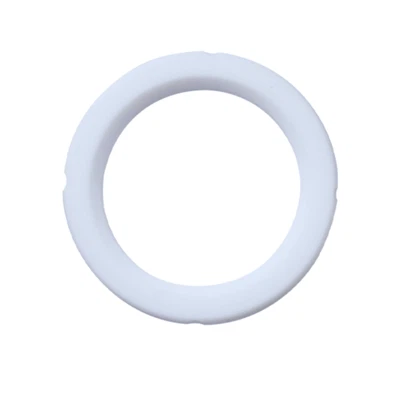
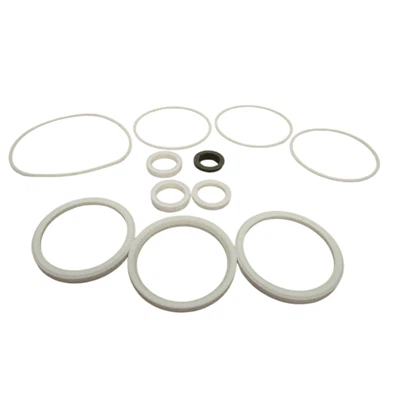
In chemical processing plants, where there are all sorts of corrosive substances, MPTFE gaskets and seals are used. They can withstand acids, bases, and organic solvents that would eat away at other materials. The chemical modifications in Chemically Modified PTFE can make the material even more impervious to chemical attacks. This is crucial because a small leak in a chemical processing system can lead to big problems, both in terms of safety and production.
It also has excellent resistance to oxidation. In environments where there's a lot of oxygen or other oxidizing agents, MPTFE doesn't degrade easily. This makes it suitable for long - term use in outdoor applications or in high - temperature environments where oxidation can be a major issue.
Thermal Strength
Thermal strength is yet another area where MPTFE shines. Regular PTFE has a relatively high melting point, but MPTFE can be designed to have an even better performance at high temperatures.
In applications like in the aerospace industry, where parts are exposed to extreme heat during flight, MPTFE can maintain its strength. It doesn't soften or lose its mechanical properties as quickly as some other materials. The heat resistance of Modified PTFE EZ Material is often enhanced through special chemical treatments or the addition of heat - resistant fillers.
Even at low temperatures, MPTFE remains strong. It doesn't become brittle like some plastics do in cold environments. This makes it suitable for use in polar regions or in cryogenic applications, where materials need to perform well in freezing conditions.
Wear Resistance
Wear is a big problem in many applications. Parts that rub against each other can quickly wear down, leading to the need for frequent replacements. MPTFE has excellent wear resistance.
In bearings and bushings, for example, MPTFE can reduce the amount of friction and wear. The low friction coefficient of PTFE is further improved in MPTFE, and the modified material can better withstand the abrasive forces. This means longer - lasting parts and less downtime for maintenance.
The surface hardness of MPTFE can also be adjusted. By adding certain fillers or using specific modification techniques, we can make the surface of the MPTFE more resistant to scratches and abrasion. This is important in applications where the material comes into contact with rough surfaces or sharp objects.
Comparing with Other Materials
When we compare MPTFE with other common materials, it really shows its strength. Take stainless steel, for example. While stainless steel is strong and has good corrosion resistance, it's heavy and can be expensive. MPTFE is much lighter, which can be a huge advantage in applications where weight is a concern, like in the automotive or aerospace industries.
Plastics like polypropylene or PVC don't come close to MPTFE in terms of chemical and thermal resistance. They can degrade quickly when exposed to harsh chemicals or high temperatures, while MPTFE can keep going strong.
Real - World Applications
MPTFE's strength makes it suitable for a wide range of real - world applications. In the medical field, it's used in surgical instruments. The high strength and chemical resistance ensure that the instruments can be properly sterilized and used repeatedly without losing their performance.
In the electrical industry, MPTFE is used as insulation. Its strength helps it maintain its shape and integrity, even in high - voltage applications. The electrical properties of MPTFE, combined with its mechanical and chemical strength, make it an ideal choice for this type of application.


In the oil and gas industry, MPTFE seals and gaskets are used in pipelines and equipment. The harsh environment, with high pressures, corrosive chemicals, and extreme temperatures, requires a material that can stand up to it all, and MPTFE fits the bill perfectly.
Conclusion
So, as you can see, MPTFE is incredibly strong in many different ways. Whether it's mechanical, chemical, thermal, or wear strength, it outperforms regular PTFE and many other materials. If you're in an industry that needs a high - performance material, MPTFE could be the solution you've been looking for.
If you're interested in learning more about our MPTFE products or want to discuss a specific application, don't hesitate to reach out. We're here to help you find the right MPTFE solution for your needs.
References
- "Handbook of Polytetrafluoroethylene and Related Fluoropolymers"
- Industry reports on advanced plastics and their applications