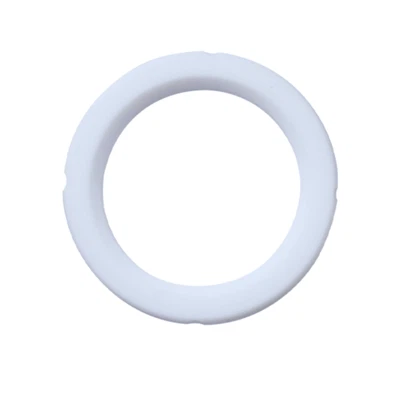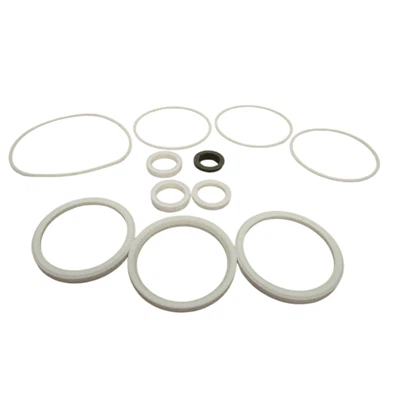
Hey there! I'm with an RPTFE low-temperature supplier, and today I wanna chat about how to measure the properties of RPTFE at low temperatures. RPTFE, or Reinforced Polytetrafluoroethylene, is a super cool material that's got a whole bunch of applications. But when it comes to low temperatures, things can get a bit tricky, and measuring its properties accurately is key.
Why Measure RPTFE at Low Temperatures?
First off, let's talk about why we even bother measuring RPTFE properties at low temperatures. See, RPTFE has some amazing characteristics like high chemical resistance, low friction, and good electrical insulation. But these properties can change quite a bit when the temperature drops. In industries like aerospace, cryogenics, and high-altitude electronics, RPTFE is often used in low-temperature environments. So, knowing how it behaves under these conditions is crucial for ensuring the safety and performance of the products that use it.
Key Properties to Measure
1. Mechanical Properties
- Tensile Strength: This is how much pulling force the material can withstand before breaking. At low temperatures, RPTFE can become more brittle, which means its tensile strength might change. To measure this, we usually use a tensile testing machine. We take a small sample of RPTFE, put it in the machine, and slowly pull it apart while monitoring the force and the amount of stretching.
- Compressive Strength: Just like tensile strength, but in the opposite direction. Compressive strength tells us how much squeezing force the material can handle. We use a compression testing machine for this. It's important because in many applications, RPTFE might be subjected to compressive loads, like in RPTFE Seat Material for valves.
2. Thermal Properties
- Thermal Conductivity: This measures how well the material conducts heat. At low temperatures, heat transfer can have a big impact on the performance of RPTFE components. We use a device called a thermal conductivity meter. It basically applies a known amount of heat to one side of the sample and measures the temperature change on the other side to calculate the thermal conductivity.
- Coefficient of Thermal Expansion (CTE): This property tells us how much the material expands or contracts when the temperature changes. It's important because if the CTE of RPTFE is very different from the materials it's in contact with, it can cause stress and potentially lead to failure. To measure CTE, we heat or cool the sample and measure how its dimensions change.
3. Electrical Properties
- Dielectric Constant: This is a measure of how well the material can store electrical energy in an electric field. It can affect the performance of electrical components made from RPTFE. We use a dielectric testing setup to measure this property.
- Volume Resistivity: This measures how well the material resists the flow of electric current through its bulk. Low-temperature conditions can change the resistivity of RPTFE, and we use a resistivity meter to measure it.
Measurement Methods and Equipment
1. Low-Temperature Chambers
These are specially designed chambers where we can control the temperature to very low levels. We put our RPTFE samples inside the chamber and let them reach thermal equilibrium before starting the measurements. This ensures that the properties we're measuring are truly representative of the material at the desired low temperature.
2. Testing Machines
As I mentioned earlier, we use tensile testing machines, compression testing machines, thermal conductivity meters, and other specialized equipment to measure the different properties. These machines are calibrated regularly to make sure the measurements are accurate.
3. Data Acquisition Systems
We use these systems to record and analyze the data from the testing machines. They can help us make sense of all the numbers and generate reports that show how the properties of RPTFE change with temperature.
Challenges in Measuring RPTFE at Low Temperatures
1. Brittleness
As I said before, RPTFE can become more brittle at low temperatures. This can make it difficult to handle the samples during testing without causing them to break. We have to be really careful when cutting, mounting, and testing the samples to get accurate results.
2. Thermal Gradients
It can be hard to ensure that the entire sample is at the same temperature during testing. If there are thermal gradients within the sample, it can affect the measurements. We use techniques like pre - conditioning the samples and using good insulation in the testing chambers to minimize this problem.
3. Contamination
Even small amounts of contamination can affect the properties of RPTFE. At low temperatures, any contaminants on the surface of the sample can become more significant. We make sure to clean the samples thoroughly before testing and work in a clean environment to avoid this issue.
Quality Control and Standards
When measuring the properties of RPTFE at low temperatures, it's important to follow quality control procedures and industry standards. There are standards like ASTM (American Society for Testing and Materials) that provide guidelines on how to perform the tests and what the acceptable ranges of properties are. By following these standards, we can ensure that our measurements are reliable and consistent.
How Our RPTFE Low - Temperature Products Stand Out
As an RPTFE low - temperature supplier, we've got a lot of experience in measuring and understanding how RPTFE behaves at low temperatures. Our Restructured Filled PTFE products are carefully engineered to have consistent properties even in cold environments. We use state - of - the - art testing equipment and follow strict quality control procedures to make sure that our customers get the best RPTFE products for their low - temperature applications.


If you're in need of high - quality RPTFE products for low - temperature use, we'd love to have a chat with you. Whether you're in the aerospace, cryogenic, or electronics industry, our team can help you find the right RPTFE solution for your specific needs. Don't hesitate to reach out and start a conversation about your requirements. We're here to provide you with top - notch products and excellent service.
References
- ASTM International standards on polymer testing
- Textbooks on materials science and engineering related to polymers and their properties at low temperatures
- Research papers on the behavior of RPTFE at low temperatures published in scientific journals.