


In the realm of industrial materials, the choice of a reliable seat material is crucial for the optimal performance and longevity of various applications. Reinforced Polytetrafluoroethylene (RPTFE) has emerged as a popular choice for seat materials due to its remarkable properties. One of the key aspects that users often inquire about is the aging resistance of RPTFE seat material. As a leading supplier of RPTFE seat material, I am delighted to delve into this topic and shed light on the factors that contribute to its aging resistance.
Understanding RPTFE Seat Material
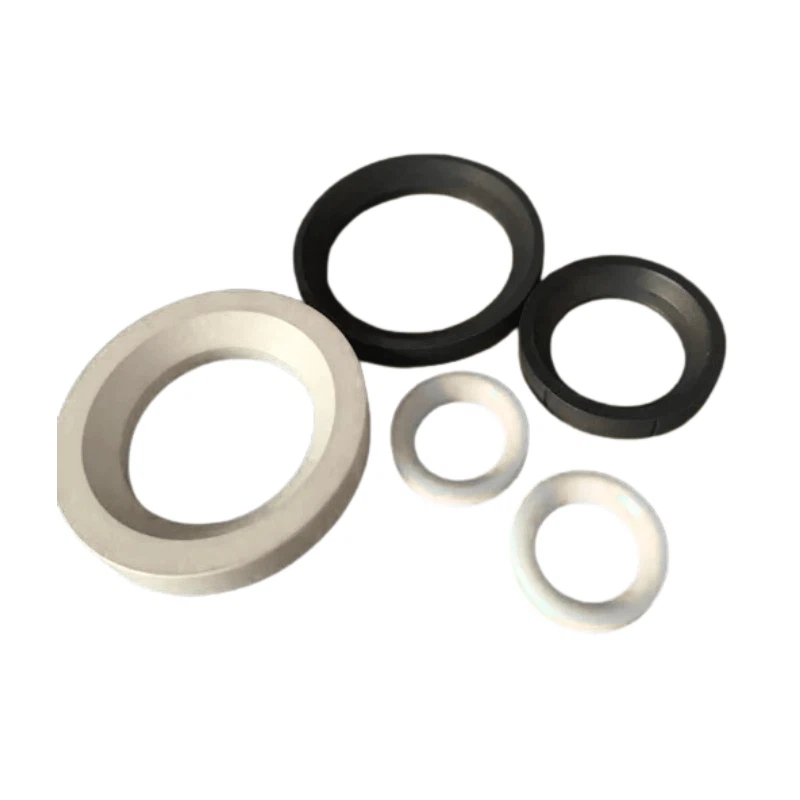
Before we explore the aging resistance of RPTFE seat material, let's first understand what RPTFE is. Reinforced Polytetrafluoroethylene is a composite material that combines the excellent chemical resistance and low friction coefficient of polytetrafluoroethylene (PTFE) with the enhanced mechanical properties provided by a reinforcing agent. The reinforcing agent can be glass fiber, carbon fiber, or other materials, which improve the strength, stiffness, and wear resistance of the material.
RPTFE seat material is widely used in various industries, including chemical processing, oil and gas, food and beverage, and pharmaceuticals. It is commonly used in valves, pumps, and other equipment where a reliable seal is required to prevent leakage and ensure the safe and efficient operation of the system.
Factors Affecting the Aging Resistance of RPTFE Seat Material
The aging resistance of RPTFE seat material is influenced by several factors, including environmental conditions, chemical exposure, mechanical stress, and temperature. Let's take a closer look at each of these factors:
Environmental Conditions
The environmental conditions in which the RPTFE seat material is used can have a significant impact on its aging resistance. Exposure to sunlight, humidity, and oxygen can cause the material to degrade over time. Ultraviolet (UV) radiation from sunlight can break down the chemical bonds in the PTFE matrix, leading to a loss of mechanical properties and an increase in brittleness. Humidity can also accelerate the aging process by promoting the growth of microorganisms and causing corrosion of the reinforcing agent.
Chemical Exposure
RPTFE seat material is known for its excellent chemical resistance, but prolonged exposure to certain chemicals can still cause degradation. Strong acids, bases, and oxidizing agents can react with the PTFE matrix and the reinforcing agent, leading to a loss of strength and integrity. Organic solvents can also swell the material, causing it to lose its dimensional stability and sealability.
Mechanical Stress
Mechanical stress, such as compression, tension, and shear, can also affect the aging resistance of RPTFE seat material. Repeated loading and unloading can cause fatigue and cracking in the material, leading to a loss of sealability and an increase in leakage. The design of the seat and the installation process can also influence the amount of mechanical stress applied to the material.
Temperature
Temperature is another important factor that affects the aging resistance of RPTFE seat material. High temperatures can cause the material to soften and lose its mechanical properties, while low temperatures can make it brittle and prone to cracking. RPTFE High Temperature and RPTFE Low Temperature applications require special formulations of RPTFE seat material that are designed to withstand extreme temperatures.
Testing the Aging Resistance of RPTFE Seat Material
To ensure the long-term performance and reliability of RPTFE seat material, it is important to test its aging resistance under various conditions. There are several standard test methods available for evaluating the aging resistance of polymers, including ASTM D573 (Standard Test Method for Rubber - Deterioration in an Air Oven) and ISO 188 (Rubber, vulcanized or thermoplastic - Accelerated ageing and heat resistance tests).
These test methods involve subjecting the material to elevated temperatures and environmental conditions for a specified period of time and then measuring its mechanical properties, such as tensile strength, elongation at break, and hardness. By comparing the properties of the aged material with those of the unaged material, it is possible to determine the degree of degradation and the aging resistance of the material.
Improving the Aging Resistance of RPTFE Seat Material
There are several ways to improve the aging resistance of RPTFE seat material, including:
Selecting the Right Formulation
The choice of the reinforcing agent and the PTFE matrix can have a significant impact on the aging resistance of the material. For example, using a high-quality PTFE resin with a low molecular weight distribution and a high degree of crystallinity can improve the chemical resistance and mechanical properties of the material. The type and amount of the reinforcing agent can also be optimized to enhance the strength and stiffness of the material without sacrificing its flexibility and sealability.

Adding Stabilizers
Stabilizers can be added to the RPTFE seat material to improve its resistance to environmental degradation. UV stabilizers can protect the material from the harmful effects of sunlight, while antioxidants can prevent the oxidation of the PTFE matrix and the reinforcing agent. Other stabilizers, such as heat stabilizers and flame retardants, can also be added to improve the performance of the material under specific conditions.
Proper Installation and Maintenance
Proper installation and maintenance of the RPTFE seat material are also important for ensuring its long-term performance and reliability. The seat should be installed correctly to ensure a proper seal and to minimize the amount of mechanical stress applied to the material. Regular inspection and maintenance can help to detect any signs of degradation or damage early and to take appropriate measures to prevent further deterioration.
Conclusion
In conclusion, the aging resistance of RPTFE seat material is an important factor that affects its performance and reliability in various applications. By understanding the factors that influence the aging resistance of the material and by taking appropriate measures to improve it, it is possible to ensure the long-term performance and durability of the seat. As a supplier of RPTFE seat material, we are committed to providing our customers with high-quality products that meet their specific requirements and exceed their expectations.
If you are interested in learning more about our RPTFE seat material or would like to discuss your specific application needs, please do not hesitate to contact us. We look forward to the opportunity to work with you and to provide you with the best possible solutions for your sealing needs.
References
- ASTM D573 - Standard Test Method for Rubber - Deterioration in an Air Oven
- ISO 188 - Rubber, vulcanized or thermoplastic - Accelerated ageing and heat resistance tests


