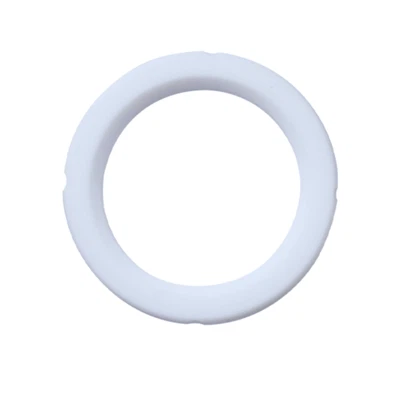
In the realm of industrial applications, the choice of seat material is crucial, especially when dealing with extreme conditions such as high - temperature environments. As a supplier of RPTFE (Reinforced Polytetrafluoroethylene) seat material, I am often asked whether RPTFE can be used in high - temperature applications. In this blog, we will delve into the properties of RPTFE, its performance under high temperatures, and the factors to consider when using it in such scenarios.
Understanding RPTFE Seat Material
RPTFE is a type of engineered plastic that is created by reinforcing PTFE with various fillers. PTFE itself is well - known for its excellent chemical resistance, low friction coefficient, and non - stick properties. However, its mechanical properties, such as creep resistance and wear resistance, are relatively poor. By adding fillers like glass fiber, carbon fiber, or graphite, the mechanical strength of the material can be significantly enhanced.
The addition of different fillers also imparts different characteristics to the RPTFE. For example, RPTFE C Graphite has improved thermal conductivity and self - lubricating properties due to the presence of graphite. This type of RPTFE is often used in applications where heat dissipation and low - friction operation are required.


High - Temperature Performance of RPTFE
The maximum continuous service temperature of RPTFE depends on the type of filler used. Generally speaking, standard RPTFE can withstand temperatures up to around 260°C (500°F). However, this can be further improved by using specific fillers.
One of the key factors affecting the high - temperature performance of RPTFE is its structural integrity. At high temperatures, the polymer matrix of RPTFE may start to soften, which can lead to a decrease in mechanical strength. Creep, a phenomenon where a material gradually deforms under a constant load over time, becomes more pronounced at elevated temperatures. This can be a significant issue in applications where precise sealing is required.
Another aspect to consider is the thermal expansion of RPTFE. Like most materials, RPTFE expands when heated. If the design of the application does not account for this thermal expansion, it can lead to problems such as leakage or mechanical failure.
Factors Affecting the Suitability for High - Temperature Applications
Chemical Environment
In high - temperature applications, the chemical environment often becomes more aggressive. RPTFE is known for its excellent chemical resistance in general. However, at high temperatures, some chemicals that are normally inert to RPTFE may start to react. For example, strong oxidizing agents or certain molten metals can attack the polymer matrix of RPTFE at elevated temperatures, leading to material degradation.
Pressure
The pressure in high - temperature applications can also have a significant impact on the performance of RPTFE seat material. Higher pressures can exacerbate the effects of creep and thermal expansion. In applications where there are high pressure differentials, the RPTFE seat may need to be designed and installed carefully to ensure proper sealing.
Duration of Exposure
The length of time the RPTFE seat material is exposed to high temperatures is also an important consideration. Short - term exposure to high temperatures may not cause significant damage to the material, while long - term exposure can lead to cumulative degradation. For example, in a process where the temperature spikes occasionally, the RPTFE may be able to withstand the high - temperature event without significant damage. However, continuous exposure to high temperatures can lead to a gradual loss of mechanical properties and sealing performance.
Applications Where RPTFE Can Be Used in High - Temperature Scenarios
Despite the challenges, there are several applications where RPTFE seat material can be successfully used in high - temperature environments.
Valve Seats
In the valve industry, RPTFE in Valve applications are quite common. Valves are often used in high - temperature fluid systems, such as in chemical processing plants, power generation facilities, and oil and gas refineries. RPTFE seat materials can provide a good seal in these valves, even at elevated temperatures. The low friction coefficient of RPTFE also allows for smooth operation of the valve, reducing wear and tear on the valve components.
Pumps
Pumps that handle high - temperature fluids also require reliable seat materials. RPTFE can be used in pump seals to prevent leakage and ensure efficient operation. The chemical resistance of RPTFE makes it suitable for use with a wide variety of fluids, including corrosive and high - temperature liquids.
Tips for Using RPTFE in High - Temperature Applications
If you are considering using RPTFE seat material in high - temperature applications, here are some tips to ensure its successful performance:
- Choose the Right Filler: Select the appropriate filler based on the specific requirements of the application. For example, if thermal conductivity is important, a graphite - filled RPTFE may be a good choice.
- Design for Thermal Expansion: Account for the thermal expansion of RPTFE in the design of the component. This may involve using proper clearances or incorporating flexible elements to accommodate the expansion.
- Monitor the Chemical Environment: Regularly monitor the chemical environment in which the RPTFE is operating. If there are changes in the chemical composition or temperature, take appropriate measures to ensure the integrity of the seat material.
- Perform Regular Inspections: Regularly inspect the RPTFE seat for signs of wear, degradation, or leakage. Early detection of problems can prevent costly failures and downtime.
Conclusion
In conclusion, RPTFE seat material can be used in high - temperature applications, but careful consideration must be given to its properties and the specific requirements of the application. While the maximum continuous service temperature of RPTFE is typically around 260°C, proper filler selection and design can help improve its performance in high - temperature scenarios. Applications such as valve seats and pump seals can benefit from the use of RPTFE in high - temperature fluid systems.
If you are interested in learning more about our RPTFE seat materials or have specific requirements for high - temperature applications, we invite you to contact us. Our team of experts is ready to assist you in selecting the right material for your needs and providing technical support throughout the procurement process.
References
- "Handbook of Plastics, Elastomers, and Composites" by Charles A. Harper
- "Polytetrafluoroethylene (PTFE) and its Composites: A Review" in Journal of Materials Science and Technology
- "Engineering Plastics for High - Temperature Applications" - Industrial Polymer Handbook