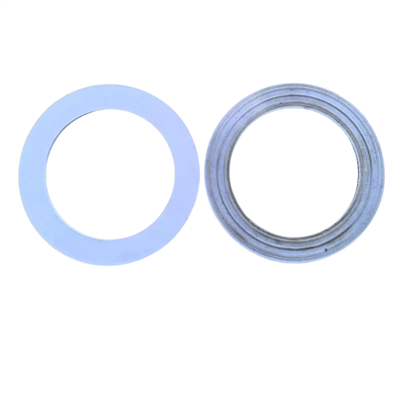
In the realm of industrial applications, handling corrosive media is a critical challenge. Valves play a pivotal role in controlling the flow of these aggressive substances, and the choice of materials for valve components is of utmost importance. One material that has emerged as a game - changer in this context is Reinforced Polytetrafluoroethylene (RPTFE). As a supplier of RPTFE in Valve, I am excited to delve into how RPTFE effectively handles corrosive media.
Understanding Corrosive Media and the Need for Specialized Materials
Corrosive media can come in various forms, including acids, alkalis, and other aggressive chemicals. These substances have the potential to cause significant damage to conventional valve materials. For instance, metals such as steel can rust and corrode when exposed to acidic solutions, leading to leaks, reduced valve performance, and ultimately, system failures. This not only results in costly repairs and replacements but also poses safety risks to the operating environment.
To address these challenges, engineers and manufacturers have been constantly seeking materials that can withstand the harsh conditions of corrosive media. RPTFE has emerged as a top - choice material due to its unique properties.
Properties of RPTFE that Make it Ideal for Handling Corrosive Media
Chemical Resistance
RPTFE is renowned for its exceptional chemical resistance. It can resist a wide range of corrosive chemicals, including strong acids like sulfuric acid, hydrochloric acid, and nitric acid, as well as alkalis such as sodium hydroxide. This is because the carbon - fluorine bonds in RPTFE are extremely strong, making it highly stable and inert to most chemical reactions. As a result, valves made with RPTFE components can operate in aggressive chemical environments without being degraded.
For example, in a chemical processing plant where sulfuric acid is being transferred, a valve with RPTFE components can maintain its integrity over long periods. The RPTFE lining or seat in the valve prevents the acid from coming into contact with the underlying metal parts, protecting them from corrosion.
Low Friction Coefficient
Another significant advantage of RPTFE is its low friction coefficient. This property allows for smooth operation of the valve, reducing wear and tear on the moving parts. When a valve is used to control the flow of corrosive media, the smooth movement facilitated by RPTFE ensures that the valve can be opened and closed easily, even after extended periods of use.
In a pipeline system carrying a viscous and corrosive fluid, a valve with an RPTFE - coated stem or seat will experience less resistance during operation. This not only improves the overall efficiency of the valve but also extends its service life.
Temperature Resistance
RPTFE can withstand a wide range of temperatures, from extremely low to relatively high. It remains stable and retains its properties in temperatures ranging from - 200°C to + 260°C. This makes it suitable for applications where corrosive media are handled at different temperature conditions.
In a cryogenic application, such as the storage and transfer of liquefied natural gas (LNG), which contains corrosive impurities, a valve with RPTFE components can operate effectively at very low temperatures. On the other hand, in a high - temperature chemical process, RPTFE can also maintain its performance without degrading.
Applications of RPTFE in Valves for Corrosive Media Handling
Chemical Industry
In the chemical industry, valves are used extensively to control the flow of various corrosive chemicals. RPTFE - lined valves are commonly used in processes such as chemical synthesis, where strong acids and bases are involved. For example, in the production of fertilizers, where sulfuric acid and ammonia are key raw materials, RPTFE - lined valves ensure the safe and efficient transfer of these corrosive substances.
The RPTFE Seat Material used in these valves provides a tight seal, preventing leaks and ensuring the integrity of the chemical process. The chemical resistance of RPTFE also means that the valves can be used for a long time without the need for frequent replacements.
Pharmaceutical Industry
In the pharmaceutical industry, the handling of corrosive media is also crucial. Many pharmaceutical processes involve the use of acids, alkalis, and other chemicals for synthesis, purification, and sterilization. Valves with RPTFE components are used to ensure the purity of the products and the safety of the manufacturing process.
For instance, in the production of antibiotics, where strong acids are used in the purification process, RPTFE - lined valves prevent contamination and ensure the quality of the final product. The low friction coefficient of RPTFE also allows for precise control of the flow rate, which is essential in pharmaceutical manufacturing.
Water Treatment Plants
Water treatment plants often deal with corrosive chemicals such as chlorine, sulfuric acid, and sodium hydroxide. These chemicals are used for disinfection, pH adjustment, and other treatment processes. Valves with RPTFE components are ideal for these applications as they can resist the corrosive effects of these chemicals.
The RPTFE in Valve used in water treatment plants helps to maintain the efficiency of the treatment process. The chemical resistance of RPTFE ensures that the valves do not corrode, which could lead to leaks and contamination of the treated water.
Manufacturing and Quality Control of RPTFE in Valves
As a supplier of RPTFE in Valve, we understand the importance of high - quality manufacturing and strict quality control. The manufacturing process of RPTFE - based valve components involves several steps.
First, the raw RPTFE material is carefully selected to ensure its purity and quality. Then, it is processed using advanced techniques such as molding and machining to create the desired valve components, such as seats, linings, and gaskets.
During the manufacturing process, strict quality control measures are implemented. This includes testing the RPTFE components for chemical resistance, mechanical properties, and dimensional accuracy. For example, samples of the RPTFE components are exposed to different corrosive chemicals in a laboratory setting to ensure that they can withstand the expected chemical environment.
Advantages of Choosing Our RPTFE in Valve Products
When you choose our RPTFE in Valve products, you are getting several advantages. Firstly, our products are made from high - quality RPTFE materials that have been tested and proven to provide excellent chemical resistance. This means that your valves will be able to handle corrosive media effectively, reducing the risk of leaks and system failures.


Secondly, our manufacturing process ensures that the RPTFE components are precisely engineered to fit your valve requirements. Whether you need a custom - designed valve or a standard one, we can provide the right solution.
Finally, our commitment to quality control means that you can trust the performance of our products. We offer reliable and long - lasting RPTFE in Valve solutions that will save you time and money in the long run.
Conclusion
In conclusion, RPTFE is an excellent material for handling corrosive media in valves. Its chemical resistance, low friction coefficient, and temperature resistance make it a top choice for various industries, including chemical, pharmaceutical, and water treatment. As a supplier of RPTFE in Valve, we are dedicated to providing high - quality products that meet the needs of our customers.
If you are in need of reliable valve solutions for handling corrosive media, we invite you to contact us for procurement and further discussions. Our team of experts is ready to assist you in finding the best RPTFE - based valve products for your specific applications.
References
- "Handbook of Corrosion Engineering" by Pierre R. Roberge
- "Polytetrafluoroethylene (PTFE) and Its Composites" by A. K. Bhowmick and H. L. Stephens