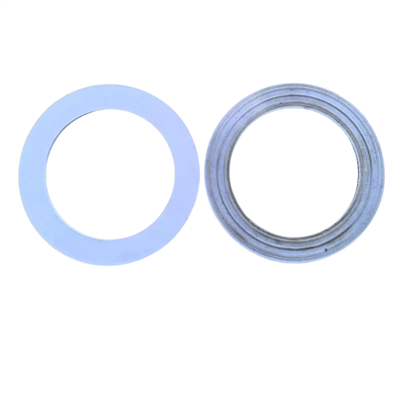
In the world of valve manufacturing, selecting the right materials is crucial to ensure optimal performance, reliability, and longevity. One material that has gained significant attention in recent years is Reinforced Polytetrafluoroethylene (RPTFE). As a leading supplier of RPTFE for valves, I am often asked about the shear strength of RPTFE and its implications for valve applications. In this blog post, I will delve into the concept of shear strength, explore the factors that affect the shear strength of RPTFE in valves, and discuss its importance in valve performance.
Understanding Shear Strength
Shear strength is a fundamental mechanical property that measures a material's ability to resist forces that cause its layers to slide past one another. In the context of valves, shear forces can occur due to fluid flow, pressure differentials, and mechanical vibrations. When a valve is in operation, the RPTFE components may be subjected to these shear forces, which can potentially lead to deformation, wear, or failure if the material's shear strength is insufficient.
The shear strength of a material is typically determined through standardized testing methods, such as the shear test. In a shear test, a sample of the material is subjected to a force parallel to its cross-sectional area until it fails. The maximum shear stress that the material can withstand before failure is defined as its shear strength.
Factors Affecting the Shear Strength of RPTFE in Valves
Several factors can influence the shear strength of RPTFE in valves. Understanding these factors is essential for selecting the appropriate RPTFE material and ensuring its optimal performance in valve applications.
Reinforcement
One of the key factors that can enhance the shear strength of RPTFE is reinforcement. Reinforced Polytetrafluoroethylene is a composite material that consists of PTFE matrix reinforced with various fillers, such as glass fibers, carbon fibers, or bronze powder. The reinforcement provides additional strength and stiffness to the RPTFE, improving its resistance to shear forces.
The type and amount of reinforcement used can significantly affect the shear strength of RPTFE. For example, glass fiber-reinforced RPTFE typically has higher shear strength than unreinforced PTFE due to the high strength and stiffness of glass fibers. Similarly, increasing the amount of reinforcement can further enhance the shear strength of RPTFE, but it may also affect other properties, such as flexibility and chemical resistance.
Filling and Structure
In addition to reinforcement, the filling and structure of RPTFE can also impact its shear strength. Restructured Filled PTFE is a type of RPTFE that has been modified through a special manufacturing process to improve its mechanical properties. This process involves filling the PTFE matrix with fine particles and restructuring the material to enhance its density and uniformity.
The filling material and its distribution within the PTFE matrix can affect the shear strength of RPTFE. For example, using a filler with high hardness and strength can increase the shear strength of RPTFE. Additionally, a more uniform distribution of the filler can result in better load transfer and improved shear resistance.
Temperature
Temperature is another important factor that can influence the shear strength of RPTFE in valves. PTFE is a thermoplastic material, which means its mechanical properties are highly dependent on temperature. As the temperature increases, the molecular mobility of PTFE increases, leading to a decrease in its shear strength.
In valve applications, the operating temperature can vary significantly depending on the type of fluid being handled and the process conditions. Therefore, it is crucial to select an RPTFE material with appropriate temperature resistance to ensure its shear strength remains within acceptable limits under the expected operating conditions.
Pressure
Pressure is also a critical factor that can affect the shear strength of RPTFE in valves. High-pressure applications can subject the RPTFE components to significant shear forces, which can potentially cause deformation or failure if the material's shear strength is insufficient.
When selecting an RPTFE material for high-pressure valve applications, it is important to consider its pressure rating and ensure that it can withstand the expected pressure without experiencing excessive deformation or failure. Additionally, the design of the valve and the sealing mechanism can also impact the distribution of pressure and shear forces on the RPTFE components.
Importance of Shear Strength in Valve Performance
The shear strength of RPTFE in valves plays a crucial role in ensuring their reliable and efficient operation. Here are some key reasons why shear strength is important in valve performance:


Sealing Performance
One of the primary functions of a valve is to provide a tight seal to prevent fluid leakage. The shear strength of the RPTFE sealing components is essential for maintaining the integrity of the seal under various operating conditions. If the shear strength of the RPTFE is insufficient, it may deform or fail under shear forces, leading to leakage and potential safety hazards.
Durability and Longevity
Valves are often subjected to repeated opening and closing cycles, as well as mechanical vibrations and fluid flow. The shear strength of the RPTFE components determines their ability to withstand these stresses without experiencing excessive wear or damage. A valve with high shear strength RPTFE components is more likely to have a longer service life and require less maintenance.
Resistance to Erosion and Abrasion
In some valve applications, the fluid being handled may contain solid particles or abrasive substances. The shear strength of the RPTFE components can affect their resistance to erosion and abrasion. A material with higher shear strength is better able to resist the forces exerted by the solid particles, reducing the risk of wear and damage to the valve components.
Selecting the Right RPTFE Material for Valve Applications
As a supplier of RPTFE Material for valves, I understand the importance of selecting the right material for each specific application. When choosing an RPTFE material for a valve, the following factors should be considered:
Application Requirements
The first step in selecting the right RPTFE material is to understand the specific requirements of the valve application. This includes the type of fluid being handled, the operating temperature and pressure, the flow rate, and any other relevant process conditions. Based on these requirements, the appropriate RPTFE material with the necessary properties, such as shear strength, chemical resistance, and temperature resistance, can be selected.
Material Properties
It is important to evaluate the mechanical, chemical, and thermal properties of the RPTFE material to ensure it meets the application requirements. This includes considering the shear strength, tensile strength, hardness, flexibility, chemical resistance, and temperature resistance of the material. Additionally, the material's compatibility with other valve components, such as the valve body and stem, should also be considered.
Manufacturing Process
The manufacturing process used to produce the RPTFE material can also affect its properties and performance. It is important to choose a supplier that uses high-quality manufacturing processes and has strict quality control measures in place to ensure the consistency and reliability of the RPTFE material.
Conclusion
In conclusion, the shear strength of RPTFE in valves is a critical factor that affects their performance, reliability, and longevity. Understanding the factors that influence the shear strength of RPTFE and selecting the appropriate material for each specific application is essential for ensuring optimal valve performance.
As a leading supplier of RPTFE for valves, we are committed to providing high-quality RPTFE Material that meets the diverse needs of our customers. Our RPTFE materials are carefully engineered to have excellent shear strength, as well as other important properties, such as chemical resistance, temperature resistance, and sealing performance.
If you are looking for a reliable supplier of RPTFE for your valve applications, we would be delighted to discuss your requirements and provide you with the best solutions. Contact us today to start a conversation about how our RPTFE materials can enhance the performance of your valves.
References
- "Handbook of PTFE and Other Fluoropolymers" by L. A. Wall
- "Valve Handbook" by E. E. Ludwig
- "Mechanical Properties of Engineering Materials" by R. W. Hertzberg