Bonding PTFE modified sheets to other materials is a critical process in various industries, from automotive to electronics and beyond. As a supplier of PTFE Modified Sheets, I've encountered numerous customers seeking effective bonding solutions. In this blog post, I'll share some insights and methods for successfully bonding PTFE modified sheets to different materials.
Understanding PTFE Modified Sheets
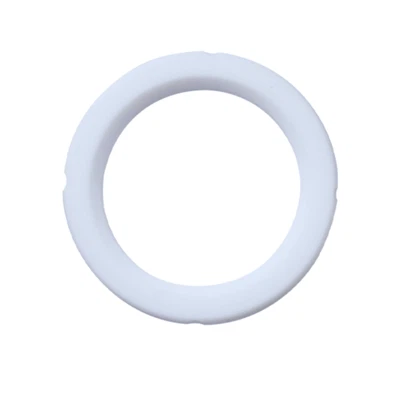
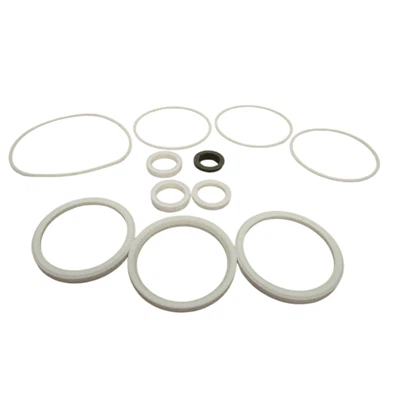
PTFE (Polytetrafluoroethylene) is a well - known fluoropolymer with excellent chemical resistance, low friction coefficient, and high thermal stability. Modified PTFE sheets are enhanced versions of traditional PTFE, with improved mechanical properties, such as increased hardness, wear resistance, and reduced creep. These sheets are used in a wide range of applications, including gaskets, seals, and electrical insulation. For example, Modified PTFE Gasket is widely used in chemical processing plants to prevent leakage of corrosive fluids, while Modified PTFE Rod can be machined into various components for high - precision applications.
Challenges in Bonding PTFE Modified Sheets
Bonding PTFE modified sheets to other materials is not without challenges. PTFE has a very low surface energy, which makes it difficult for adhesives to wet and adhere to its surface. Additionally, the chemical inertness of PTFE further complicates the bonding process. Therefore, special surface treatments and appropriate adhesives are required to achieve a strong and durable bond.


Surface Preparation
Surface preparation is the first and most crucial step in the bonding process. It aims to increase the surface energy of the PTFE modified sheet and create a rough surface for better adhesive wetting. Here are some common surface preparation methods:
Chemical Etching
Chemical etching is a widely used method for treating PTFE surfaces. It involves using a chemical solution, such as sodium naphthalene, to react with the PTFE surface. This reaction removes the fluorine atoms from the PTFE surface, creating a more reactive and polar surface. However, chemical etching should be carried out with caution, as the chemicals used are highly reactive and toxic.
Plasma Treatment
Plasma treatment is another effective method for improving the surface energy of PTFE. In this process, the PTFE modified sheet is exposed to a plasma environment, which contains high - energy ions and radicals. These ions and radicals react with the PTFE surface, introducing polar functional groups and increasing the surface roughness. Plasma treatment is a clean and environmentally friendly method, and it can be easily controlled to achieve the desired surface properties.
Abrasion
Abrasion is a simple and cost - effective method for surface preparation. It involves using sandpaper or a grinding wheel to roughen the PTFE surface. This increases the surface area available for adhesive bonding. However, abrasion alone may not be sufficient to achieve a strong bond, and it is often combined with other surface treatment methods.
Adhesive Selection
After surface preparation, the next step is to select the appropriate adhesive. The choice of adhesive depends on several factors, such as the type of materials to be bonded, the application environment, and the required bond strength. Here are some common types of adhesives used for bonding PTFE modified sheets:
Epoxy Adhesives
Epoxy adhesives are widely used for bonding PTFE to various materials. They offer high bond strength, good chemical resistance, and excellent dimensional stability. Epoxy adhesives can be formulated to have different curing times and properties, making them suitable for a wide range of applications. However, epoxy adhesives may require a longer curing time, and they may be brittle in some cases.
Silicone Adhesives
Silicone adhesives are known for their excellent flexibility, high - temperature resistance, and weatherability. They can be used for bonding PTFE to materials that require some degree of flexibility, such as rubber or plastic. Silicone adhesives also have good chemical resistance, but their bond strength may be lower compared to epoxy adhesives.
Cyanoacrylate Adhesives
Cyanoacrylate adhesives, also known as super glues, are fast - curing adhesives that can provide a strong bond in a short time. They are suitable for bonding PTFE to small parts or for applications where a quick bond is required. However, cyanoacrylate adhesives may have poor resistance to high temperatures and chemicals.
Bonding Process
Once the surface is prepared and the adhesive is selected, the bonding process can be carried out. Here are the general steps for bonding PTFE modified sheets to other materials:
- Apply the Adhesive: Apply the adhesive evenly on the prepared surface of the PTFE modified sheet or the mating material. Make sure to follow the manufacturer's instructions regarding the application method and the amount of adhesive to be used.
- Align the Materials: Carefully align the PTFE modified sheet with the mating material and bring them into contact. Apply pressure to ensure good contact between the two surfaces and to squeeze out any air bubbles.
- Cure the Adhesive: Depending on the type of adhesive used, the bonding assembly may need to be cured at a specific temperature and for a certain period of time. Follow the adhesive manufacturer's instructions for the curing process.
Quality Control
After the bonding process is completed, it is important to carry out quality control to ensure the bond strength and durability. Some common quality control methods include:
Visual Inspection
Visual inspection is the simplest and most basic quality control method. It involves checking the bond line for any signs of defects, such as voids, cracks, or uneven adhesive distribution.
Pull - Test
A pull - test can be used to measure the bond strength between the PTFE modified sheet and the mating material. In this test, a pulling force is applied to the bonded assembly until the bond fails. The maximum pulling force is recorded as the bond strength.
Environmental Testing
Environmental testing can be used to evaluate the durability of the bond under different environmental conditions, such as high temperature, high humidity, or chemical exposure. The bonded assembly is exposed to the specified environmental conditions for a certain period of time, and then the bond strength is measured again.
Conclusion
Bonding PTFE modified sheets to other materials is a complex process that requires careful surface preparation, appropriate adhesive selection, and proper bonding techniques. By following the methods and guidelines outlined in this blog post, you can achieve a strong and durable bond between PTFE modified sheets and various materials.
If you are interested in purchasing PTFE Modified Sheets or need more information about bonding solutions, please feel free to contact us for further discussion and procurement negotiation. We are committed to providing high - quality products and professional technical support to meet your specific needs.
References
- "Handbook of Adhesive Technology" by A. Pizzi and K. L. Mittal
- "Surface Modification of Polymers for Adhesion" by M. R. Wertheimer
- "Adhesive Bonding of Polymers" by D. A. Dillard and S. A. Shimp