When it comes to industrial sealing solutions, RPTFE (Reinforced Polytetrafluoroethylene) Seals have emerged as a reliable and high - performance option. As a trusted RPTFE Seal supplier, I often encounter inquiries about the service life of these seals. In this blog, we will explore the various factors that influence the service life of RPTFE Seals and provide insights to help you better understand this important aspect.
Understanding RPTFE Seals
Before delving into the service life, let's first understand what RPTFE Seals are. RPTFE is a composite material that combines the excellent chemical resistance and low friction properties of PTFE with the added strength and dimensional stability provided by a reinforcement material. This makes RPTFE Seals suitable for a wide range of applications, from chemical processing plants to food and beverage industries.


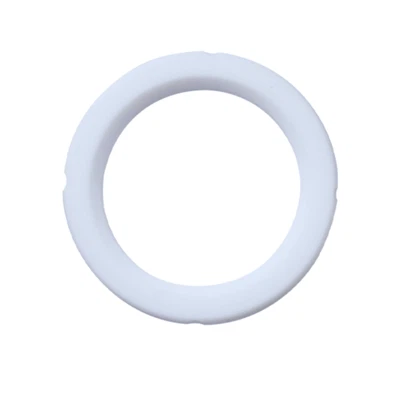
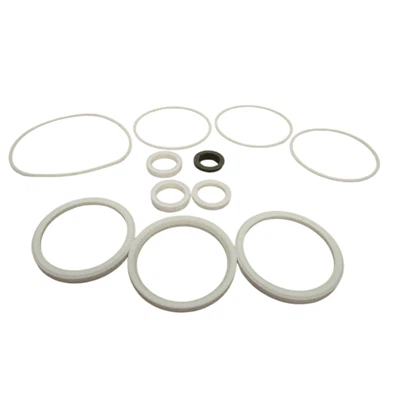
RPTFE Seals come in different forms, such as RPTFE Seal, RPTFE Gasket, and RPTFE Ball Cone. Each type is designed to meet specific sealing requirements, and their service life can vary depending on multiple factors.
Factors Affecting the Service Life of RPTFE Seals
Chemical Environment
One of the most significant factors influencing the service life of RPTFE Seals is the chemical environment in which they operate. RPTFE is highly resistant to a wide range of chemicals, including acids, bases, and organic solvents. However, certain aggressive chemicals can still cause degradation over time. For example, molten alkali metals and some fluorinating agents can react with PTFE, leading to a reduction in the seal's performance and lifespan.
In a chemical processing plant where RPTFE Seals are exposed to strong acids, the service life may be significantly shorter if proper precautions are not taken. On the other hand, in a less corrosive environment, such as a food and beverage plant where the seals are mainly in contact with water and mild detergents, the service life can be much longer.
Temperature
Temperature is another crucial factor. RPTFE Seals can generally withstand a wide temperature range, from -200°C to +260°C. However, continuous exposure to extreme temperatures can affect the material's mechanical properties. High temperatures can cause the seal to expand, leading to increased friction and potential leakage. In addition, long - term exposure to high heat can cause the PTFE to degrade, resulting in a loss of its sealing capabilities.
Conversely, at low temperatures, RPTFE may become more brittle, increasing the risk of cracking. Therefore, it is essential to select the appropriate RPTFE Seal based on the operating temperature range of your application to ensure an optimal service life.
Pressure
The pressure within the sealing system also plays a vital role. High - pressure applications can subject the seals to excessive stress, which may cause deformation or extrusion. If the seal is not designed to handle the pressure effectively, it can lead to premature failure.
For example, in a hydraulic system with high - pressure fluid flow, the RPTFE Seal must be able to maintain its integrity under the pressure. A well - designed RPTFE Seal can withstand high pressures for an extended period, but if the pressure exceeds the seal's rated capacity, the service life will be severely shortened.
Mechanical Wear
Mechanical wear is a common cause of seal failure. In applications where the seal is in contact with moving parts, such as in a rotating shaft, friction can cause the seal material to wear down over time. The surface finish of the mating parts, the speed of rotation, and the presence of abrasive particles can all contribute to mechanical wear.
To reduce mechanical wear, proper lubrication can be employed. Lubricants can reduce friction between the seal and the moving part, thereby extending the service life of the seal. Additionally, using seals with a higher hardness or incorporating anti - wear additives in the RPTFE material can also enhance its wear resistance.
Installation and Maintenance
Correct installation is crucial for the long - term performance of RPTFE Seals. Improper installation, such as incorrect alignment or over - tightening, can cause the seal to deform or damage, leading to premature failure. It is important to follow the manufacturer's installation guidelines carefully.
Regular maintenance is also essential. Inspecting the seals periodically for signs of wear, damage, or leakage can help detect problems early and take corrective actions. Replacing worn - out seals in a timely manner can prevent more significant issues, such as system breakdowns or product contamination.
Estimating the Service Life
Given the numerous factors involved, it is challenging to provide a precise estimate of the service life of RPTFE Seals. However, in general, under normal operating conditions (moderate temperature, pressure, and chemical environment), an RPTFE Seal can last anywhere from several months to several years.
In a well - maintained chemical processing plant with a relatively stable operating environment, an RPTFE Gasket might have a service life of 1 - 2 years. In a less demanding application, such as a simple water - sealing system, an RPTFE Seal could last 3 - 5 years or even longer.
Extending the Service Life
To extend the service life of RPTFE Seals, several strategies can be employed. Firstly, selecting the right type of seal for the specific application is crucial. Consider the chemical compatibility, temperature and pressure requirements, and the type of movement involved.
Secondly, proper installation and regular maintenance are essential. Ensure that the seals are installed correctly and inspect them regularly for any signs of wear or damage. Replace any seals that show signs of deterioration promptly.
Finally, controlling the operating environment can also have a significant impact. Minimize exposure to extreme temperatures, pressures, and aggressive chemicals. Use lubricants to reduce friction and protect the seals from mechanical wear.
Conclusion
As a supplier of RPTFE Seals, I understand the importance of ensuring the long - term performance of these seals in various applications. The service life of RPTFE Seals is influenced by multiple factors, including the chemical environment, temperature, pressure, mechanical wear, and installation and maintenance. By understanding these factors and taking appropriate measures, you can maximize the service life of your RPTFE Seals.
If you are interested in learning more about our RPTFE Seal, RPTFE Gasket, or RPTFE Ball Cone products or have any questions regarding their service life and application, please do not hesitate to contact us for a detailed discussion and procurement negotiation.
References
- "Handbook of Seal Technology" by John H. Bickford
- "Polytetrafluoroethylene (PTFE) and Its Composites" by various authors in the Journal of Polymer Science