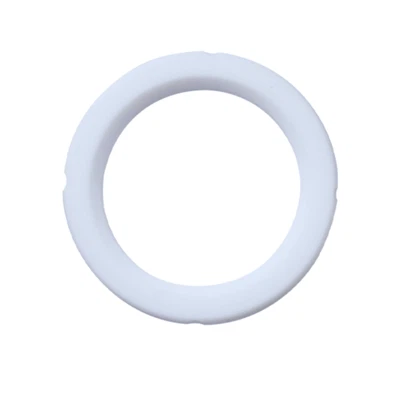
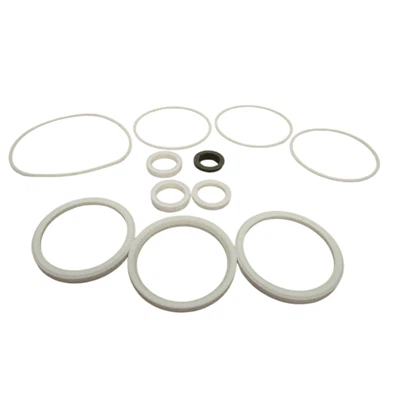
Hey there! As a supplier of rptfe seals, I often get asked about the surface finish requirements for these seals. In this blog post, I'll break down what you need to know about the surface finish for rptfe seals, why it matters, and how it impacts the performance of these seals.
First off, let's talk about what rptfe is. RPTFE stands for Reinforced Polytetrafluoroethylene. It's a high - performance material known for its excellent chemical resistance, low friction coefficient, and wide temperature range tolerance. RPTFE seals are used in a variety of industries, including chemical processing, oil and gas, and food and beverage.
Why Surface Finish Matters
The surface finish of a rptfe seal is crucial because it directly affects the seal's ability to create a tight and reliable seal. A poor surface finish can lead to leakage, reduced seal life, and increased maintenance costs. When the surface finish of the mating surfaces (the parts the seal comes into contact with) is not appropriate, it can cause the rptfe seal to wear out faster, or it may not be able to conform properly to the shape of the mating surface, resulting in gaps where fluid or gas can escape.
Surface Finish Parameters
There are several parameters to consider when it comes to the surface finish for rptfe seals.
Roughness
Surface roughness is one of the most important factors. It is usually measured in micro - inches (µin) or micrometers (µm). For rptfe seals, a relatively smooth surface is often preferred. A roughness value that is too high can cause excessive wear on the rptfe material. On the other hand, a surface that is too smooth might not allow the rptfe seal to grip the mating surface effectively, which could lead to slippage. Generally, a surface roughness in the range of 16 - 32 micro - inches (0.4 - 0.8 µm) is considered suitable for many rptfe seal applications.


Waviness
Waviness refers to the more widely spaced irregularities on the surface. Excessive waviness can prevent the rptfe seal from making full contact with the mating surface. This can create areas where pressure is unevenly distributed, increasing the risk of leakage. The waviness of the mating surface should be minimized to ensure a consistent and reliable seal.
Lay
The lay of the surface refers to the direction of the predominant surface pattern. In some cases, the lay can affect the performance of the rptfe seal. For example, if the lay is parallel to the direction of fluid flow, it might increase the risk of leakage. A random or cross - hatched lay pattern is often recommended for rptfe seals as it provides better sealing performance in multiple directions.
Industry - Specific Requirements
Different industries have different requirements for the surface finish of rptfe seals.
Chemical Processing Industry
In the chemical processing industry, rptfe seals are often exposed to highly corrosive chemicals. A smooth surface finish is essential to prevent the chemicals from getting trapped in surface irregularities, which could lead to corrosion and degradation of the seal. Additionally, a proper surface finish helps to maintain the integrity of the seal in high - pressure and high - temperature environments commonly found in chemical plants.
Oil and Gas Industry
In the oil and gas industry, rptfe seals are used in various applications, such as wellheads, pipelines, and pumps. The surface finish requirements here are driven by the need to prevent leakage of hydrocarbons. A smooth and uniform surface finish helps to ensure a tight seal, reducing the risk of environmental contamination and safety hazards.
Food and Beverage Industry
In the food and beverage industry, hygiene is of utmost importance. The surface finish of rptfe seals must be smooth enough to prevent the accumulation of food particles and bacteria. A polished surface finish is often required to meet the strict sanitation standards in this industry.
Our Products and Surface Finish
As a rptfe seal supplier, we offer a range of products, including RPTFE Gasket, RPTFE Seal, and RPTFE Ball Cone. We understand the importance of surface finish and ensure that our products are manufactured to meet the highest standards.
Our manufacturing process includes strict quality control measures to ensure that the surface finish of our rptfe seals meets the requirements of different industries. We use advanced machining and finishing techniques to achieve the desired surface roughness, waviness, and lay. Before shipping our products, we conduct thorough inspections to ensure that they meet or exceed the specified surface finish parameters.
Impact of Surface Finish on Seal Installation
The surface finish also plays a role in the installation of rptfe seals. A proper surface finish makes it easier to install the seal correctly. If the surface is too rough, it can cause damage to the seal during installation, such as tearing or scratching. On the other hand, a smooth surface allows the seal to slide into place more easily, reducing the risk of installation - related failures.
How to Ensure Proper Surface Finish
If you're using rptfe seals in your applications, there are a few things you can do to ensure that the surface finish of the mating parts is appropriate.
- Inspect the Mating Surfaces: Before installing the rptfe seal, visually inspect the mating surfaces for any signs of damage, excessive roughness, or waviness. You can also use surface finish measurement tools to check the roughness and other parameters.
- Machine the Surfaces if Necessary: If the surface finish of the mating parts does not meet the requirements, you may need to machine or re - machine the surfaces. This can involve processes such as grinding, honing, or polishing to achieve the desired surface finish.
- Follow Manufacturer's Recommendations: Always follow the manufacturer's recommendations regarding the surface finish requirements for their rptfe seals. Our company provides detailed guidelines on the appropriate surface finish for each of our products.
Conclusion
In conclusion, the surface finish requirements for rptfe seals are an important aspect of ensuring their proper performance. By understanding the parameters of surface finish, such as roughness, waviness, and lay, and considering the specific requirements of different industries, you can make informed decisions about the use of rptfe seals in your applications.
As a reliable rptfe seal supplier, we are committed to providing high - quality products that meet the strictest surface finish requirements. If you're in the market for rptfe seals or have any questions about surface finish requirements, don't hesitate to reach out to us for a consultation. We're here to help you find the best sealing solutions for your needs.
References
- ASTM Standards on Surface Finish
- Industry - specific technical manuals on sealing applications
- Manufacturer's product literature on rptfe seals