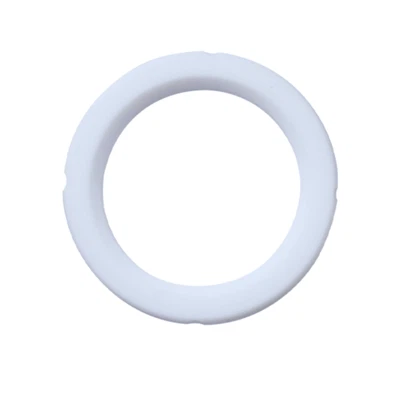
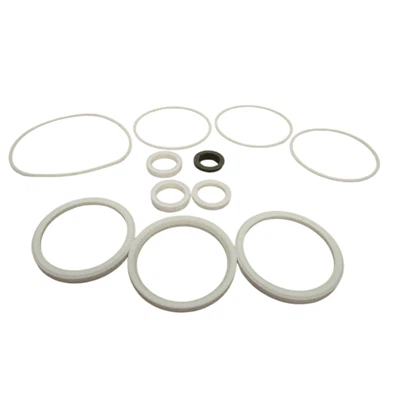
In the realm of industrial applications, the choice of seat material is crucial, especially when it comes to vacuum environments. As a leading supplier of MPTFE Seat Material, I've often been asked whether MPTFE seat material can be effectively used in vacuum applications. In this blog, I'll delve into the properties of MPTFE, its suitability for vacuum use, and the factors to consider.
Understanding MPTFE Seat Material
MPTFE, or Modified Polytetrafluoroethylene, is a high - performance polymer that offers a range of enhanced properties compared to standard PTFE. Modified PTFE is created by introducing specific additives or fillers to the base PTFE resin. These modifications can improve mechanical strength, wear resistance, and dimensional stability, among other characteristics.
One of the most significant advantages of MPTFE is its excellent chemical resistance. It can withstand a wide variety of corrosive chemicals, acids, and bases, making it suitable for use in harsh chemical processing environments. Additionally, MPTFE has a low coefficient of friction, which reduces wear and tear on moving parts and allows for smooth operation.
Vacuum Applications: Requirements and Challenges
Vacuum applications present unique challenges. In a vacuum environment, there is a lack of atmospheric pressure, which can cause issues such as outgassing, leakage, and contamination. Outgassing occurs when volatile substances within a material are released into the vacuum, potentially contaminating the system and affecting its performance. Leakage is also a major concern, as even small leaks can disrupt the vacuum and lead to inefficiencies or system failures.
Another challenge is the mechanical stress that components may face in a vacuum. Without the support of atmospheric pressure, materials can experience increased stress, which may cause deformation or failure over time. Therefore, the seat material used in vacuum applications must be able to withstand these conditions while maintaining its integrity and performance.
Can MPTFE Seat Material Meet the Requirements?
Let's analyze whether MPTFE seat material can meet the demands of vacuum applications.
Outgassing
One of the key factors in vacuum applications is outgassing. MPTFE has relatively low outgassing characteristics compared to many other polymers. The additives and fillers used in the modification process are carefully selected to minimize the release of volatile substances. However, the exact outgassing rate can vary depending on the specific formulation of the MPTFE material. It is essential to work with a supplier who can provide detailed outgassing data for their Filled Modified PTFE Product to ensure that it meets the requirements of your specific vacuum system.
Leakage Resistance
MPTFE's low coefficient of friction and excellent sealing properties make it a good candidate for preventing leakage in vacuum applications. The material can form a tight seal against mating surfaces, reducing the risk of gas leakage. Its flexibility allows it to conform to irregular surfaces, further enhancing the sealing performance. Additionally, the high chemical resistance of MPTFE ensures that it can maintain its sealing properties even in the presence of corrosive substances that may be present in the vacuum system.
Mechanical Strength
As mentioned earlier, mechanical stress is a concern in vacuum applications. MPTFE's enhanced mechanical properties, such as increased strength and dimensional stability, make it more capable of withstanding the stresses associated with a vacuum environment. The fillers used in the modification process can improve the material's resistance to deformation, ensuring that the seat maintains its shape and performance over time.
Compatibility with Other Components
MPTFE is generally compatible with a wide range of materials commonly used in vacuum systems, such as metals and ceramics. This compatibility is important as it allows for seamless integration of the seat material into the overall system without causing chemical reactions or compatibility issues that could lead to system failures.
Factors to Consider When Using MPTFE in Vacuum Applications
While MPTFE shows promise for vacuum applications, there are several factors that need to be considered.
Temperature Range
The temperature range of the vacuum application is a critical factor. MPTFE has a wide operating temperature range, but extreme temperatures can affect its performance. At very high temperatures, the material may soften or lose its mechanical properties, while at very low temperatures, it may become brittle. It is important to select an MPTFE formulation that is suitable for the specific temperature range of your vacuum system.
Surface Finish
The surface finish of the mating parts can also impact the performance of the MPTFE seat. A smooth surface finish on the mating components will allow for a better seal and reduce the risk of leakage. However, if the surface is too rough, it may cause excessive wear on the MPTFE seat, leading to premature failure.
System Design
The design of the vacuum system itself plays a role in the effectiveness of the MPTFE seat material. Proper installation, alignment, and support of the seat are essential to ensure optimal performance. The system should also be designed to minimize mechanical stress on the seat and to prevent any potential sources of contamination.


Case Studies: MPTFE in Vacuum Applications
There are numerous real - world examples where MPTFE seat material has been successfully used in vacuum applications. For instance, in semiconductor manufacturing, vacuum chambers are used to create a controlled environment for the production of microchips. MPTFE seats are used in valves and seals within these chambers to prevent leakage and maintain the required vacuum levels. The low outgassing properties of MPTFE ensure that the semiconductor manufacturing process is not contaminated by volatile substances, resulting in high - quality products.
In the aerospace industry, vacuum systems are used for various purposes, such as testing and calibration. MPTFE seat materials have been employed in these systems due to their excellent sealing properties and compatibility with other aerospace materials. The ability of MPTFE to withstand the mechanical stresses associated with aerospace applications has made it a reliable choice for ensuring the proper functioning of vacuum systems.
Conclusion
In conclusion, MPTFE seat material has the potential to be used effectively in vacuum applications. Its low outgassing characteristics, excellent sealing properties, and enhanced mechanical strength make it a suitable candidate for many vacuum systems. However, careful consideration of factors such as temperature range, surface finish, and system design is necessary to ensure optimal performance.
If you are considering using MPTFE seat material in your vacuum application, I encourage you to reach out to discuss your specific requirements. Our team of experts can provide detailed information about our MPTFE Seat Material products, including outgassing data, mechanical properties, and compatibility with your system. We are committed to helping you find the best solution for your vacuum application needs. Contact us today to start a procurement discussion and take your vacuum system to the next level.
References
- "Handbook of Vacuum Physics" by John F. O'Hanlon.
- "Polytetrafluoroethylene (PTFE) and Its Modifications" by various authors in polymer science journals.
- Technical reports from industry - leading manufacturers of MPTFE products.