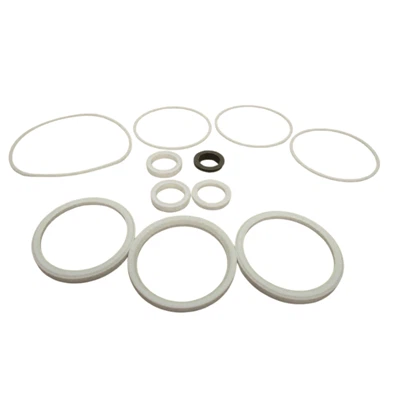
When it comes to the use of Restructured Filled PTFE (RPTFE) in valves, one of the most pressing questions that often arises is whether there are any safety concerns. As a leading supplier of RPTFE for valves, I am here to shed light on this crucial topic and provide you with a comprehensive understanding of the safety aspects associated with RPTFE in valve applications.
Understanding RPTFE
Before delving into the safety concerns, let's first understand what RPTFE is. RPTFE, or Restructured Filled PTFE, is a high - performance material that combines the excellent properties of polytetrafluoroethylene (PTFE) with additional fillers. PTFE is well - known for its chemical resistance, low friction coefficient, and wide temperature range of operation. The restructuring and filling process further enhance its mechanical properties, such as wear resistance, creep resistance, and dimensional stability.
Chemical Safety
One of the primary safety advantages of RPTFE in valves is its outstanding chemical resistance. RPTFE can withstand a wide range of chemicals, including acids, bases, solvents, and corrosive gases. This makes it an ideal choice for valves used in chemical processing plants, where the valves are constantly exposed to aggressive substances. For example, in a petrochemical refinery, valves made with RPTFE can handle various hydrocarbons, sulfuric acid, and other corrosive chemicals without significant degradation.
However, it is important to note that while RPTFE is highly resistant to most chemicals, there are some exceptions. For instance, molten alkali metals and certain fluorinating agents can react with PTFE. Therefore, it is essential to carefully assess the chemical environment in which the valve will be used and ensure that RPTFE is compatible with the specific chemicals involved.
Temperature Safety
RPTFE offers excellent temperature stability. It can operate over a wide temperature range, from extremely low to high temperatures. RPTFE Low Temperature applications are common in cryogenic systems, such as liquefied natural gas (LNG) storage and transportation. At low temperatures, RPTFE retains its flexibility and sealing properties, preventing leaks in valves.
On the high - temperature side, RPTFE can withstand temperatures up to a certain limit. However, when exposed to very high temperatures (above its melting point, which is around 327°C for PTFE), RPTFE can start to decompose, releasing toxic fumes. Therefore, it is crucial to ensure that the operating temperature of the valve is within the recommended range for RPTFE. This can be achieved through proper valve design, insulation, and temperature monitoring.
Mechanical Safety
In terms of mechanical safety, RPTFE's enhanced mechanical properties play a vital role. The fillers in RPTFE improve its wear resistance, which is crucial for valves that experience frequent opening and closing operations. This reduces the risk of valve failure due to wear and tear, ensuring long - term reliable operation.
Moreover, RPTFE has good creep resistance. Creep is the tendency of a material to deform slowly under a constant load over time. In valve applications, creep can lead to leakage and loss of sealing performance. The low creep rate of RPTFE helps maintain the valve's sealing integrity, even under long - term pressure.
Fire Safety
PTFE is inherently non - flammable, which is a significant safety advantage in valve applications. In industrial settings where there is a risk of fire, valves made with RPTFE can provide an additional layer of safety. However, it is important to note that while PTFE itself does not burn easily, it can release toxic fumes when exposed to high - temperature flames. Therefore, in fire - prone environments, proper fire - protection measures should still be in place.
Regulatory Compliance
To ensure the safety of RPTFE in valve applications, it is essential to comply with relevant industry standards and regulations. For example, in the food and beverage industry, valves used in contact with food products must meet strict hygiene and safety standards. RPTFE materials used in such applications should be approved for food contact, ensuring that they do not contaminate the food.
Safety Concerns Mitigation
While there are some potential safety concerns associated with RPTFE in valves, these can be effectively mitigated through proper design, installation, and maintenance. Here are some key strategies:
- Proper Material Selection: Choose the right grade of RPTFE based on the specific chemical, temperature, and pressure requirements of the valve application.
- Regular Inspection and Maintenance: Conduct regular inspections of valves to detect any signs of wear, damage, or degradation. Replace worn - out RPTFE components in a timely manner.
- Training and Education: Provide training to operators and maintenance personnel on the proper use and handling of valves with RPTFE components. This includes understanding the temperature and chemical limitations of RPTFE.
Conclusion
In conclusion, while there are some potential safety concerns when using RPTFE in valves, these can be managed effectively through proper material selection, design, installation, and maintenance. RPTFE offers numerous advantages, such as excellent chemical resistance, wide temperature range, and good mechanical properties, making it a reliable choice for valve applications.
As a supplier of Reinforced Polytetrafluoroethylene for valves, we are committed to providing high - quality RPTFE products that meet the highest safety standards. If you are considering using RPTFE in your valve applications or have any questions about its safety, we encourage you to contact us for a detailed discussion and to explore potential procurement opportunities. Our team of experts is ready to assist you in finding the best RPTFE solutions for your specific needs.


References
- "Handbook of PTFE and Fluoroplastics" by Carl A. Harper.
- Industry standards and guidelines related to valve materials and safety.