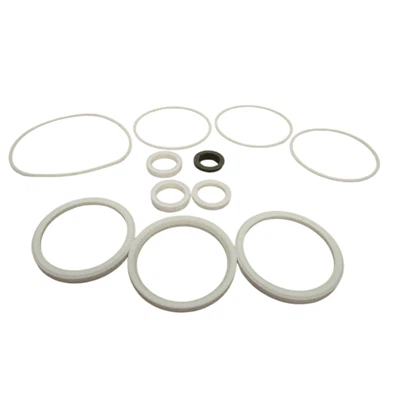
Hey there! As an RPTFE Teflon supplier, I often get asked about the process of coloring RPTFE Teflon. So, I thought I'd share some insights on this topic.
Understanding RPTFE Teflon
First off, let's quickly go over what RPTFE Teflon is. RPTFE stands for Reinforced Polytetrafluoroethylene Reinforced Polytetrafluoroethylene. It's a high - performance material known for its excellent chemical resistance, low friction coefficient, and high temperature stability RPTFE High Temperature. This makes it a popular choice in various industries, including automotive, aerospace, and chemical processing. For instance, in the valve industry, RPTFE is widely used due to its durability and chemical compatibility RPTFE in Valve.

Why Color RPTFE Teflon?
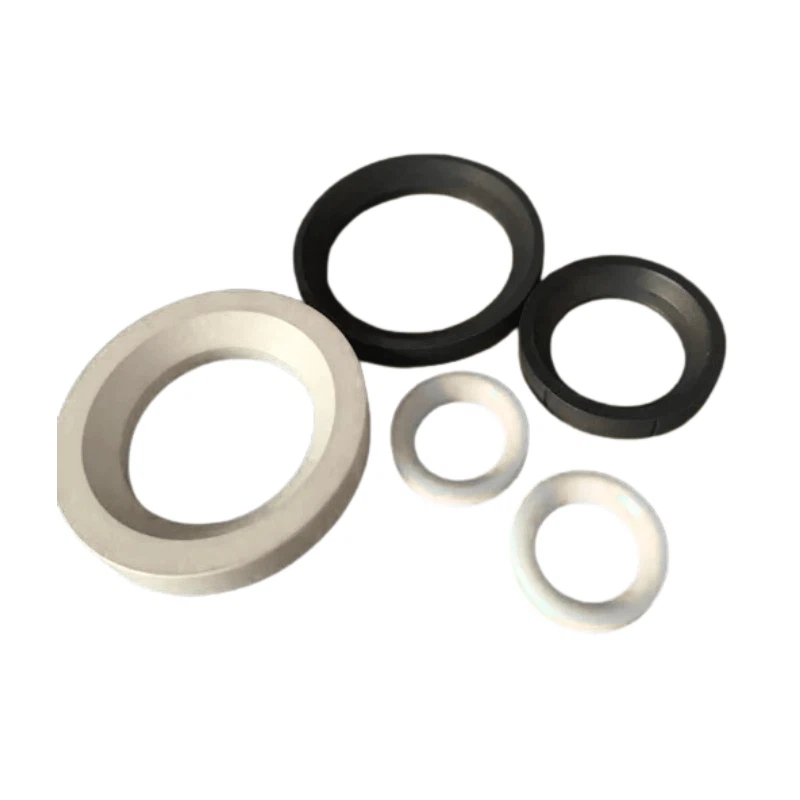
There are several reasons to color RPTFE Teflon. One of the main reasons is for identification purposes. In a manufacturing or industrial setting, different colored RPTFE parts can represent different specifications, materials, or functions. For example, a red RPTFE gasket might be used for high - pressure applications, while a blue one could be for low - temperature use.
Another reason is aesthetics. In some consumer products or applications where appearance matters, colored RPTFE can enhance the overall look of the product.
The Coloring Process
1. Selecting the Right Pigments
The first step in coloring RPTFE Teflon is choosing the appropriate pigments. The pigments need to be compatible with the RPTFE material and able to withstand the high processing temperatures involved. Pigments should also have good chemical stability to ensure that the color doesn't fade or change over time due to exposure to chemicals or environmental factors.
There are two main types of pigments: organic and inorganic. Organic pigments are known for their bright colors and good tinting strength. However, they may have lower heat resistance compared to inorganic pigments. Inorganic pigments, on the other hand, are more heat - stable and can withstand the high temperatures during the RPTFE processing, but they might have a more limited color range.
2. Pre - Mixing the Pigments
Once the pigments are selected, they need to be pre - mixed with the RPTFE resin. This is a crucial step as it ensures an even distribution of the color throughout the material. The pre - mixing can be done using a high - speed mixer or a twin - screw extruder.
In a high - speed mixer, the RPTFE resin and the pigments are added together and mixed at a high speed for a specific period. This helps to break down any pigment agglomerates and disperse them evenly in the resin.
A twin - screw extruder is another option. It provides a more intensive mixing process. The RPTFE resin and pigments are fed into the extruder, and as the screws rotate, they knead and mix the materials thoroughly.
3. Compounding
After pre - mixing, the next step is compounding. Compounding is the process of melting and further mixing the RPTFE resin with the pigments under controlled conditions. This is usually done in an extruder.
The extruder heats the mixture to a temperature above the melting point of the RPTFE resin. As the mixture moves through the extruder, the pigments are further dispersed, and the material becomes homogeneous. The temperature, pressure, and screw speed in the extruder need to be carefully controlled to ensure a high - quality compound.
4. Forming
Once the compounded colored RPTFE material is ready, it can be formed into the desired shape. There are several forming methods, such as compression molding, injection molding, and extrusion.
In compression molding, the colored RPTFE compound is placed in a mold cavity. The mold is then closed, and pressure is applied to shape the material. The mold is heated to a specific temperature to cure the RPTFE.
Injection molding is a faster process. The colored RPTFE compound is melted in a barrel and then injected into a mold under high pressure. This method is suitable for producing complex shapes with high precision.
Extrusion involves forcing the colored RPTFE compound through a die to create continuous shapes, such as rods, tubes, or profiles.
5. Post - Processing
After forming, the colored RPTFE parts may undergo some post - processing steps. This can include machining to achieve the exact dimensions, surface finishing to improve the appearance or reduce friction, and quality inspection to ensure that the parts meet the required standards.
Challenges in Coloring RPTFE Teflon
Coloring RPTFE Teflon is not without its challenges. One of the main challenges is achieving a consistent color. Due to the high melting point of RPTFE and its unique molecular structure, it can be difficult to ensure that the pigments are evenly distributed throughout the material. This can result in color variations in the final product.
Another challenge is maintaining the mechanical properties of the RPTFE. Adding pigments can potentially affect the strength, flexibility, and chemical resistance of the material. Therefore, careful selection of pigments and optimization of the coloring process are necessary to minimize any negative impacts on the material's performance.
Quality Control
Quality control is an essential part of the coloring process. We use various testing methods to ensure the quality of the colored RPTFE products. Colorimetry is used to measure the color accuracy and consistency of the parts. This involves comparing the color of the products against a standard color sample.
We also conduct mechanical tests, such as tensile strength and hardness tests, to ensure that the colored RPTFE retains its mechanical properties. Chemical resistance tests are performed to check if the color and the material can withstand exposure to different chemicals.
Conclusion
Coloring RPTFE Teflon is a complex but rewarding process. It offers many benefits in terms of identification and aesthetics, but it also requires careful consideration of pigments, processing conditions, and quality control.
If you're in the market for colored RPTFE Teflon products or have any questions about the coloring process, don't hesitate to reach out. We're here to provide you with high - quality RPTFE solutions tailored to your specific needs. Whether you need a specific color for identification or a custom - made RPTFE part for your application, we've got you covered. Let's start a conversation and see how we can work together to meet your requirements.
References
- "Handbook of Fluoropolymer Science and Technology" by Harry L. Resnati and Giuseppe A. Casnati.
- "High - Performance Polymers: A Comprehensive Guide" by John M. Schultz.