Flexibility is a crucial characteristic when evaluating materials for various industrial applications. In the realm of high - performance polymers, PTFE Modified Sheets stand out for their unique blend of properties, with flexibility being one of the most remarkable aspects. As a trusted supplier of PTFE Modified Sheets, I am excited to delve into the details of what makes these sheets so flexible and how this flexibility translates into real - world benefits.
Understanding PTFE Modified Sheets
PTFE, or Polytetrafluoroethylene, is a well - known synthetic fluoropolymer with outstanding chemical resistance, low friction, and high heat resistance. However, unmodified PTFE has some limitations, such as relatively poor mechanical strength and creep resistance. Modified PTFE addresses these drawbacks by incorporating additives or fillers into the base PTFE material. This modification process results in PTFE Modified Sheets that retain many of the desirable properties of PTFE while enhancing others, including flexibility.
The flexibility of PTFE Modified Sheets is a result of several factors. First, the choice of additives plays a significant role. Different additives can alter the molecular structure of the PTFE matrix, making it more pliable. For example, some additives can act as plasticizers, reducing the intermolecular forces between PTFE chains and allowing them to slide past each other more easily. This results in a material that can be bent, folded, or formed into various shapes without cracking or breaking.
Another factor contributing to the flexibility of PTFE Modified Sheets is the manufacturing process. Advanced extrusion and molding techniques can be used to control the orientation and distribution of the PTFE molecules and additives within the sheet. By carefully adjusting these parameters, manufacturers can produce sheets with a consistent and optimized level of flexibility.
Applications of Flexible PTFE Modified Sheets
The flexibility of PTFE Modified Sheets opens up a wide range of applications across multiple industries.
Electrical and Electronics
In the electrical and electronics industry, flexible PTFE Modified Sheets are used as insulating materials. Their ability to conform to irregular shapes makes them ideal for wrapping around wires, cables, and electronic components. For instance, in high - frequency circuits, these sheets can be used as dielectric substrates. The flexibility allows for easy installation in tight spaces, and the excellent electrical properties of PTFE ensure reliable insulation and signal transmission. You can learn more about our PTFE Modified Sheets on our website: PTFE Modified Sheets.
Chemical Processing
In chemical processing plants, PTFE Modified Sheets are used for lining pipes, tanks, and vessels. The flexibility of the sheets enables them to be easily installed in complex geometries, providing a protective barrier against corrosive chemicals. They can also withstand high temperatures and pressures, making them suitable for harsh chemical environments. Additionally, the low friction surface of PTFE Modified Sheets reduces the risk of material build - up inside the pipes and vessels, improving the efficiency of the chemical processing operations.
Automotive
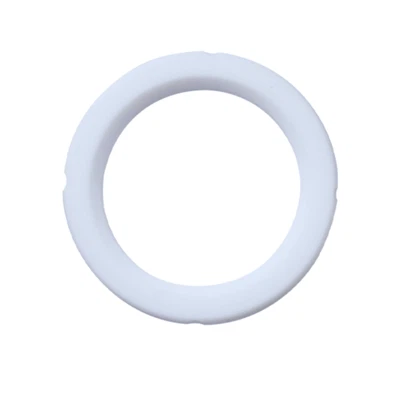
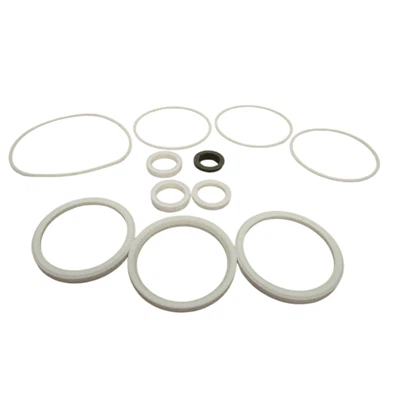
The automotive industry benefits from the flexibility of PTFE Modified Sheets in several ways. They can be used as gaskets and seals in engines and other automotive components. The ability to conform to the mating surfaces ensures a tight seal, preventing leaks of fluids and gases. The flexibility also allows the gaskets to withstand vibrations and thermal cycling without losing their sealing properties. Our Modified PTFE Gasket is a prime example of how our products are utilized in the automotive sector.
Food and Beverage
In the food and beverage industry, flexible PTFE Modified Sheets are used as release liners in baking and food processing equipment. Their non - stick surface and flexibility make them easy to clean and reuse. They can be wrapped around molds or conveyor belts, preventing food from sticking and ensuring a smooth production process. The sheets are also compliant with food safety regulations, making them a reliable choice for direct contact with food products.
Advantages of Using Flexible PTFE Modified Sheets
Durability
Despite their flexibility, PTFE Modified Sheets are highly durable. They can withstand repeated bending and flexing without significant degradation. This durability ensures a long service life, reducing the need for frequent replacements and lowering the overall cost of ownership.
Chemical Resistance
PTFE is renowned for its excellent chemical resistance, and this property is retained in PTFE Modified Sheets. The flexible sheets can resist a wide range of chemicals, including acids, bases, solvents, and oils. This makes them suitable for use in harsh chemical environments where other materials would quickly deteriorate.
Low Friction
The low friction coefficient of PTFE Modified Sheets is another advantage. It reduces wear and tear on moving parts and allows for smooth operation in applications such as bearings and sliding components. The low friction also makes the sheets easy to clean, which is particularly important in industries where hygiene is a concern.
Factors Affecting the Flexibility of PTFE Modified Sheets
While PTFE Modified Sheets are inherently flexible, several factors can affect their flexibility.
Temperature
Temperature has a significant impact on the flexibility of PTFE Modified Sheets. At low temperatures, the material becomes more rigid as the intermolecular forces between PTFE chains increase. Conversely, at high temperatures, the sheets become more flexible as the thermal energy causes the PTFE chains to move more freely. However, excessive heat can also cause the additives in the modified PTFE to degrade, affecting the overall performance of the sheet.
Thickness
The thickness of the PTFE Modified Sheet also plays a role in its flexibility. Generally, thinner sheets are more flexible than thicker ones. However, thinner sheets may have lower mechanical strength, so a balance needs to be struck between flexibility and strength depending on the specific application.
Additive Concentration
The concentration of additives in the PTFE matrix can affect the flexibility of the sheets. Higher concentrations of certain additives may result in increased flexibility, but there is a limit beyond which the mechanical properties of the sheet may be compromised. Manufacturers need to carefully control the additive concentration to achieve the desired balance of properties.
Comparing Flexible PTFE Modified Sheets with Other Materials
When compared to other flexible materials, PTFE Modified Sheets offer several distinct advantages.


Rubber
Rubber is a commonly used flexible material, but it has limitations in terms of chemical resistance and temperature stability. PTFE Modified Sheets, on the other hand, can withstand a wider range of chemicals and higher temperatures. They also have a lower coefficient of friction, which can be beneficial in applications where smooth movement is required.
Polyethylene
Polyethylene is another flexible polymer, but it lacks the excellent electrical properties and chemical resistance of PTFE. PTFE Modified Sheets are a better choice for applications that require high - performance insulation and protection against corrosive substances.
Quality Control and Testing of Flexible PTFE Modified Sheets
As a supplier, we understand the importance of providing high - quality PTFE Modified Sheets. We implement strict quality control measures throughout the manufacturing process to ensure that our sheets meet the required standards of flexibility and other properties.
We conduct various tests on our PTFE Modified Sheets, including bend tests, tensile tests, and chemical resistance tests. Bend tests are used to evaluate the flexibility of the sheets by measuring the minimum radius to which they can be bent without cracking. Tensile tests determine the mechanical strength and elongation at break of the sheets. Chemical resistance tests are performed to ensure that the sheets can withstand exposure to specific chemicals.
Conclusion
The flexibility of PTFE Modified Sheets is a valuable property that makes them suitable for a wide range of applications across multiple industries. Their ability to conform to various shapes, combined with their excellent chemical resistance, low friction, and durability, makes them a preferred choice for many engineers and designers.
If you are interested in exploring the potential of our flexible PTFE Modified Sheets for your specific application, we invite you to contact us for a detailed discussion. Our team of experts is ready to assist you in selecting the right product and providing technical support. Whether you need PTFE Modified Sheets, Modified PTFE Powder, or Modified PTFE Gasket, we have the solutions to meet your needs. Let's start a conversation about how our products can enhance your operations.
References
- "Handbook of Fluoropolymer Science and Technology" by Harry L. Resch.
- "Polytetrafluoroethylene (PTFE) and Its Modifications" in Journal of Applied Polymer Science.
- Industry reports on the use of PTFE Modified Sheets in various sectors.