Hey there! As a supplier of TFM Modified PTFE, I often get asked about its chemical stability in oil. So, I thought I'd write this blog to share some insights on this topic.
First off, let's talk a bit about what TFM Modified PTFE is. TFM Modified PTFE is a high - performance polymer that offers a range of benefits over standard PTFE. You can learn more about it on this page: TFM Modified PTFE. It combines the excellent chemical resistance and low friction properties of PTFE with enhanced mechanical and thermal properties.
Now, let's dive into the main question: What is the chemical stability of TFM Modified PTFE in oil?
Chemical Resistance Basics
PTFE in general is known for its outstanding chemical resistance. It can resist a wide variety of chemicals, including acids, bases, and organic solvents. TFM Modified PTFE inherits this great chemical resistance and takes it a step further.
When it comes to oil, TFM Modified PTFE shows remarkable stability. Most oils, whether they are mineral oils, synthetic oils, or vegetable oils, have little to no effect on TFM Modified PTFE. This is because the molecular structure of TFM Modified PTFE is highly stable. The carbon - fluorine bonds in the polymer are extremely strong, which makes it difficult for oil molecules to break into the polymer structure and cause chemical reactions.
Performance in Different Types of Oils
Mineral Oils
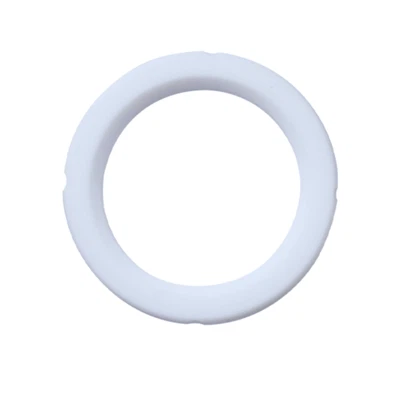
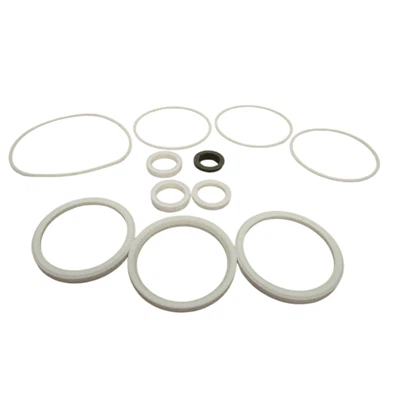
Mineral oils are widely used in industrial applications, such as lubrication in machinery. TFM Modified PTFE can withstand long - term exposure to mineral oils without significant degradation. The oil doesn't cause swelling, softening, or any other physical changes in the TFM Modified PTFE. This means that parts made from TFM Modified PTFE, like Modified PTFE Gaskets, can maintain their shape and sealing performance in mineral - oil - filled systems.
Synthetic Oils
Synthetic oils are designed to have better performance than mineral oils in some aspects, such as higher temperature resistance and better oxidation stability. TFM Modified PTFE also has excellent compatibility with synthetic oils. Whether it's polyalphaolefin (PAO) - based synthetic oils or esters - based synthetic oils, TFM Modified PTFE remains stable. This makes it a great choice for applications where synthetic oils are used, like high - performance engines and advanced hydraulic systems.
Vegetable Oils
Vegetable oils are often used in food - related applications and some environmentally friendly lubricants. TFM Modified PTFE is also chemically stable in vegetable oils. It doesn't react with the fatty acids and other components in vegetable oils. This property is crucial for applications in the food industry, where the material in contact with oil needs to be non - reactive and safe.
Factors Affecting Chemical Stability in Oil
While TFM Modified PTFE is generally very stable in oil, there are a few factors that can potentially affect its performance.
Temperature
Temperature plays a significant role. At higher temperatures, the chemical reactions between the oil and TFM Modified PTFE may occur more easily, although the risk is still relatively low compared to other materials. As the temperature rises, the oil molecules become more active, and they may have a slightly higher chance of interacting with the polymer. However, TFM Modified PTFE has a relatively high melting point and good thermal stability. It can usually withstand the normal operating temperatures of most oil - based systems without significant degradation.


Oil Additives
Some oils contain additives to improve their performance, such as anti - wear additives, antioxidants, and detergents. These additives may have different chemical properties. In most cases, TFM Modified PTFE is still stable in oils with additives. But in some rare cases, certain additives may have a minor impact on the surface of TFM Modified PTFE. It's always a good idea to test the specific combination of TFM Modified PTFE and the oil with additives in a laboratory setting before large - scale use.
Applications Based on Chemical Stability in Oil
The chemical stability of TFM Modified PTFE in oil makes it suitable for a wide range of applications.
Sealing Applications
In oil - filled systems, such as engines, gearboxes, and hydraulic systems, sealing is crucial. Modified PTFE Gaskets made from TFM Modified PTFE can provide a reliable seal. They won't be damaged by the oil, and they can maintain their elasticity and sealing performance over a long period. This helps to prevent oil leakage and ensures the proper functioning of the system.
Bearings and Bushings
TFM Modified PTFE can be used to make bearings and bushings in oil - lubricated environments. Its low friction coefficient and chemical stability in oil make it an ideal material. The oil can lubricate the surface of the bearing or bushing, and at the same time, the TFM Modified PTFE won't be affected by the oil, resulting in smooth operation and long service life.
Filters
In oil filtration systems, TFM Modified PTFE can be used as a filter material. Its chemical stability allows it to filter the oil without being corroded by the oil or its contaminants. This helps to maintain the quality of the oil and the efficiency of the filtration system.
Why Choose Our TFM Modified PTFE
As a supplier of TFM Modified PTFE, we take pride in offering high - quality products. Our TFM Modified PTFE is manufactured using advanced processes to ensure its excellent chemical stability in oil. We have strict quality control measures in place to guarantee that each batch of products meets the highest standards.
If you're in the market for TFM Modified PTFE products, whether it's Modified PTFE Powder for further processing or finished parts like gaskets, we can provide you with the right solutions. We also offer customized services to meet your specific requirements.
If you're interested in learning more about our TFM Modified PTFE products or have any questions about their chemical stability in oil, don't hesitate to contact us for a purchase discussion. We're here to help you make the best choice for your applications.
References
- "Handbook of Polytetrafluoroethylene (PTFE) and Related Fluoropolymers"
- "Chemical Resistance of Polymers"