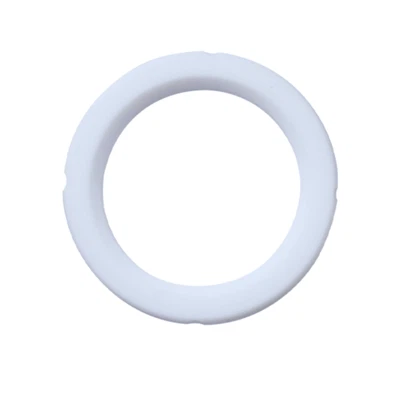
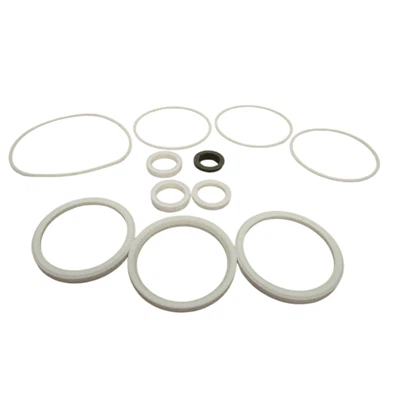
Hey there! As a supplier of RPTFE Seat Material, I get asked a lot of questions about the properties and performance of this amazing stuff. One question that comes up quite often is whether RPTFE Seat Material is resistant to ozone. Well, let's dive right in and explore this topic.
First off, let's quickly go over what RPTFE Seat Material is. RPTFE stands for Reinforced Polytetrafluoroethylene. It's a high - performance material that combines the excellent chemical resistance and low friction properties of polytetrafluoroethylene (PTFE) with added reinforcement to improve its mechanical strength. You can learn more about it on our website: RPTFE Seat Material and Reinforced Polytetrafluoroethylene.


Now, ozone is a highly reactive gas. It's made up of three oxygen atoms (O₃) and is a powerful oxidizing agent. Ozone can be found in the Earth's upper atmosphere, where it plays a crucial role in protecting us from the sun's harmful ultraviolet rays. But it can also be present at ground - level, especially in areas with high levels of air pollution or in industrial settings where certain chemical processes generate ozone.
So, is RPTFE Seat Material resistant to ozone? The short answer is yes, RPTFE Seat Material is generally highly resistant to ozone. The base material, PTFE, has a very stable molecular structure. The carbon - fluorine bonds in PTFE are extremely strong, which gives it excellent chemical inertness. This means that it doesn't easily react with other chemicals, including ozone.
When you reinforce PTFE to make RPTFE, the reinforcement materials are carefully selected to maintain or enhance the chemical resistance of the base PTFE. The reinforcements are usually things like glass fibers, carbon fibers, or other high - performance polymers. These reinforcements don't significantly change the chemical resistance of the material towards ozone.
In fact, RPTFE Seat Material's resistance to ozone makes it a great choice for a variety of applications where ozone exposure is a concern. For example, in the aerospace industry, aircraft components may be exposed to ozone at high altitudes. RPTFE Seat Material can be used in seals and gaskets in these components to ensure long - term performance and reliability.
In the automotive industry, ozone can be present in the engine compartment due to the combustion process and the presence of certain chemicals. RPTFE Seat Material can be used in engine seals to prevent leaks and maintain the integrity of the engine system.
Another area where RPTFE Seat Material's ozone resistance is valuable is in the chemical processing industry. Many chemical plants generate ozone as a by - product of their processes. Using RPTFE Seat Material in valves, pumps, and other equipment can prevent corrosion and degradation caused by ozone exposure.
We've also done some in - house testing on our RPTFE Teflon products to confirm their ozone resistance. We exposed samples of RPTFE Seat Material to ozone - rich environments for extended periods of time. After the testing, we found that there was very little change in the physical and chemical properties of the material. The seals and gaskets made from RPTFE Seat Material maintained their shape, flexibility, and sealing performance.
However, it's important to note that while RPTFE Seat Material is resistant to ozone, extreme conditions can still have an impact. For example, if the ozone concentration is extremely high and the temperature is also very high, over a very long period of time, there may be some minor degradation. But in normal operating conditions, the ozone resistance of RPTFE Seat Material is more than sufficient.
If you're in an industry where ozone exposure is a concern and you're looking for a reliable sealing solution, RPTFE Seat Material is definitely worth considering. It offers a combination of ozone resistance, chemical resistance, low friction, and good mechanical strength.
Whether you're in aerospace, automotive, chemical processing, or any other industry, our RPTFE Seat Material can meet your needs. We have a wide range of products available, and we can also customize the material based on your specific requirements.
If you're interested in learning more about our RPTFE Seat Material or want to discuss a potential purchase, don't hesitate to reach out. We're always happy to have a chat and help you find the best solution for your application.
In conclusion, RPTFE Seat Material is a great choice when it comes to ozone - resistant applications. Its unique properties make it a reliable and long - lasting option for many industries. So, if you're in the market for a high - performance sealing material, give RPTFE Seat Material a try.
References:
- "Handbook of Polytetrafluoroethylene and Related Fluoropolymers"
- Industry reports on the use of RPTFE in various applications