Reinforced Polytetrafluoroethylene (RPTFE) is a remarkable material that has significantly impacted modern business. As a supplier of RPTFE full - form products, I have witnessed firsthand how this material's unique properties are revolutionizing various industries.
Introduction to RPTFE
RPTFE is a modified version of Polytetrafluoroethylene (PTFE). PTFE is well - known for its non - stick properties, chemical resistance, and high melting point. However, it has some limitations, such as low mechanical strength and creep under load. RPTFE addresses these issues by incorporating fillers into the PTFE matrix. These fillers can be glass fibers, carbon fibers, bronze powder, or other materials, which enhance the mechanical properties of PTFE while retaining many of its desirable characteristics.
Relevance in Modern Business
1. Chemical Industry
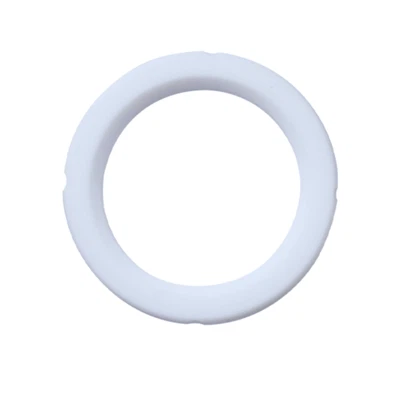
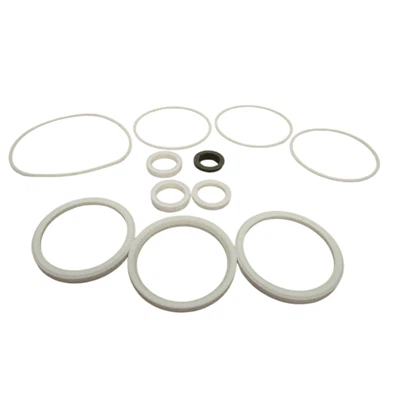
In the chemical industry, where exposure to harsh chemicals is common, RPTFE is a game - changer. Chemical processing plants require materials that can withstand corrosive substances, high temperatures, and high pressures. RPTFE's excellent chemical resistance makes it ideal for use in gaskets, seals, and linings. For example, Modified PTFE Gasket made from RPTFE can prevent leaks in pipelines carrying aggressive chemicals, ensuring the safety and efficiency of the entire process. This reduces the risk of environmental contamination and costly downtime due to equipment failure.
Moreover, RPTFE's high - temperature resistance allows it to be used in reactors and distillation columns where extreme heat is generated during chemical reactions. The reinforced structure of RPTFE also provides better dimensional stability, which is crucial for maintaining the integrity of equipment components over long periods of use.
2. Food and Beverage Industry
The food and beverage industry has strict hygiene and safety standards. RPTFE is a suitable material for this industry because it is non - toxic and non - reactive with food products. It can be used in conveyor belts, seals, and gaskets in food processing equipment. The non - stick property of RPTFE ensures that food does not adhere to the surfaces, making cleaning easier and reducing the risk of cross - contamination.
For instance, PTFE Modified Sheets can be used as linings for baking trays or as surfaces for food handling equipment. The reinforced nature of RPTFE makes these sheets more durable, withstanding the wear and tear associated with continuous food processing operations. This not only improves the quality of food production but also reduces maintenance costs.
3. Electrical and Electronics Industry
In the electrical and electronics industry, RPTFE is highly valued for its excellent electrical insulation properties. It has a low dielectric constant and high dielectric strength, making it suitable for use in printed circuit boards (PCBs), cable insulation, and connectors. The addition of fillers in RPTFE can further enhance its thermal conductivity, which is beneficial for dissipating heat generated by electronic components.
RPTFE's mechanical strength also ensures that it can withstand the mechanical stresses during the manufacturing and assembly of electronic devices. For example, in high - speed data transmission cables, RPTFE insulation helps to maintain signal integrity by reducing signal loss and interference.
4. Automotive Industry
The automotive industry is constantly looking for materials that can improve fuel efficiency, reduce emissions, and enhance the performance and reliability of vehicles. RPTFE can be used in various automotive applications, such as gaskets, seals, and bushings. Its low friction coefficient reduces energy losses due to friction, which in turn improves fuel efficiency.
The chemical resistance of RPTFE makes it suitable for use in engine compartments, where it can withstand exposure to oils, fuels, and other automotive fluids. Modified PTFE Bags can be used for storing and transporting automotive fluids safely. The reinforced structure of RPTFE ensures that these bags can withstand the pressure and mechanical stresses during handling and use.


Supply - Side Advantages
As a supplier of RPTFE full - form products, we offer several advantages to modern businesses. Firstly, we have a wide range of RPTFE products available, including different types of gaskets, sheets, and bags. This allows our customers to find the right product for their specific applications.
Secondly, we have a team of experienced engineers and technicians who can provide technical support and customization services. We understand that each customer's needs are unique, and we can work closely with them to develop tailored RPTFE solutions. Whether it is adjusting the filler content to meet specific mechanical requirements or designing a custom - shaped gasket, we have the expertise to deliver high - quality products.
Thirdly, we are committed to quality control. Our manufacturing processes are strictly monitored to ensure that all RPTFE products meet the highest industry standards. We use advanced testing equipment to verify the physical and chemical properties of our products, such as tensile strength, chemical resistance, and thermal stability. This gives our customers confidence in the performance and reliability of our RPTFE products.
Challenges and Future Outlook
Despite its many advantages, there are some challenges associated with RPTFE. The cost of producing RPTFE can be relatively high compared to some traditional materials, which may limit its use in price - sensitive applications. However, as the demand for high - performance materials continues to grow, the economies of scale may help to reduce the cost of RPTFE production in the future.
Another challenge is the recycling of RPTFE. Due to its chemical stability, it is difficult to recycle RPTFE using conventional methods. However, research is underway to develop more sustainable recycling technologies for RPTFE, which will help to reduce its environmental impact.
Looking ahead, the future of RPTFE in modern business is very promising. With the continuous development of new industries such as renewable energy, aerospace, and biotechnology, the demand for high - performance materials like RPTFE is expected to increase. For example, in the aerospace industry, RPTFE can be used in aircraft engines and hydraulic systems due to its high - temperature resistance and low friction coefficient.
Conclusion
In conclusion, the full form of RPTFE, Reinforced Polytetrafluoroethylene, is highly relevant in modern business. Its unique combination of chemical resistance, mechanical strength, and other desirable properties makes it suitable for a wide range of applications in various industries. As a supplier of RPTFE full - form products, we are well - positioned to meet the growing demand for high - quality RPTFE solutions.
If you are interested in learning more about our RPTFE products or have specific requirements for your business, we invite you to contact us for a procurement discussion. We look forward to working with you to find the best RPTFE solutions for your needs.
References
- "Handbook of Polytetrafluoroethylene (PTFE) and Related Fluoropolymers" by John Scheirs
- "Advanced Materials for Modern Industries" published by Springer
- Industry reports on chemical processing, food and beverage, electrical and electronics, and automotive industries.