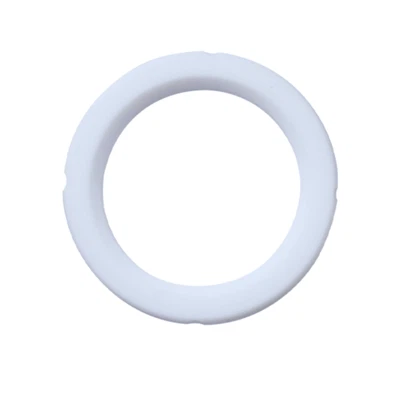
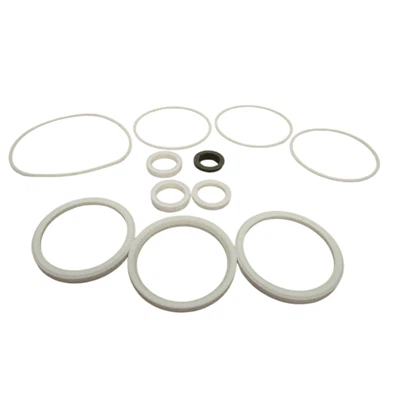
Moisture absorption is a critical factor that can significantly influence the performance of various materials, and RPTFE (Restructured Filled PTFE) seat material is no exception. As a leading supplier of RPTFE Seat Material, I have witnessed firsthand how moisture can impact the functionality and longevity of this high - performance material. In this blog, we will delve into the ways in which moisture absorption affects the performance of RPTFE seat material.
Understanding RPTFE Seat Material
Before exploring the effects of moisture absorption, it's essential to understand what RPTFE seat material is. Restructured Filled PTFE is a specialized form of PTFE (Polytetrafluoroethylene) that has been engineered to enhance its mechanical and chemical properties. PTFE is well - known for its excellent chemical resistance, low friction coefficient, and wide temperature range of operation. However, its pure form may lack the necessary strength and dimensional stability for certain applications. RPTFE addresses these limitations by incorporating fillers and undergoing a restructuring process.
The restructured filled PTFE offers improved wear resistance, higher compressive strength, and better creep resistance compared to pure PTFE. These properties make it an ideal choice for seat materials in valves, pumps, and other fluid handling equipment, where it needs to withstand high pressures, abrasive media, and continuous use.
Moisture Absorption Mechanisms in RPTFE Seat Material
Moisture absorption in RPTFE seat material occurs through a combination of physical and chemical processes. Physically, the porous structure of the material can allow water molecules to penetrate into the voids and pores present within the RPTFE matrix. The degree of porosity depends on the manufacturing process and the type and amount of fillers used.
Chemically, although PTFE itself is highly hydrophobic, the fillers and additives in RPTFE may have some affinity for water. For example, certain inorganic fillers may adsorb water molecules on their surface through weak van der Waals forces or hydrogen bonding. Additionally, any surface contaminants or impurities on the RPTFE material can act as sites for moisture adsorption.
Impact on Mechanical Properties
One of the most significant effects of moisture absorption on RPTFE seat material is its impact on mechanical properties. When the material absorbs moisture, the water molecules can act as a plasticizer, reducing the intermolecular forces between the polymer chains and the fillers. This leads to a decrease in the material's hardness and stiffness.
The reduction in hardness can result in increased wear and deformation of the seat material. In valve applications, for instance, a softer seat material may not be able to maintain a tight seal against the valve disc, leading to leakage. The decrease in stiffness can also affect the material's ability to withstand high - pressure loads, increasing the risk of seat failure under stress.
Moreover, moisture absorption can cause dimensional changes in the RPTFE seat material. As the water molecules penetrate the material, they can cause it to swell. This swelling can lead to misalignment in the valve or pump components, further compromising the sealing performance. In applications where precise dimensional tolerances are required, such as in high - precision valves, even a small amount of swelling due to moisture absorption can have a significant impact on the overall functionality of the equipment.
Influence on Chemical Resistance
RPTFE seat material is highly valued for its excellent chemical resistance. However, moisture absorption can potentially affect this property. Water can act as a medium for chemical reactions, especially when the RPTFE is exposed to corrosive substances.
Moisture can facilitate the transport of corrosive agents into the RPTFE material. For example, in the presence of moisture, acidic or alkaline media can penetrate more easily into the material, leading to chemical degradation. The water molecules can also react with certain fillers or additives in the RPTFE, altering their chemical composition and reducing their effectiveness in enhancing the material's performance.
In addition, the absorbed moisture can create a more favorable environment for the growth of microorganisms. Microbial growth on the RPTFE seat material can lead to biofouling, which not only affects the appearance of the material but can also cause blockages in fluid flow paths and accelerate the degradation of the material through the production of corrosive by - products.
Effects on Friction and Sealing Performance
The friction coefficient of RPTFE seat material is an important parameter in valve and pump applications. A low friction coefficient is desirable to ensure smooth operation and reduce energy consumption. However, moisture absorption can increase the friction coefficient of the material.
The presence of water on the surface of the RPTFE can change the surface properties, making it more sticky or adhesive. This can lead to increased friction between the seat material and the mating components, such as the valve disc or the pump shaft. Higher friction can result in increased wear on both the seat material and the mating parts, as well as higher operating torques in valves.
In terms of sealing performance, moisture - induced swelling and changes in mechanical properties can compromise the ability of the RPTFE seat material to form a tight seal. A proper seal is crucial in fluid handling applications to prevent leakage of fluids, which can be hazardous, especially when dealing with toxic or flammable substances.
Impact on Thermal Properties
RPTFE seat material is designed to operate over a wide temperature range, including RPTFE Low Temperature applications. Moisture absorption can affect the thermal properties of the material.
Water has a relatively high specific heat capacity compared to RPTFE. When the material absorbs moisture, the presence of water can change the heat transfer characteristics of the RPTFE. This can lead to uneven temperature distribution within the seat material during operation, which may cause thermal stresses and potentially lead to material failure.
At low temperatures, the absorbed moisture can freeze, causing the material to expand and crack. This is particularly problematic in applications where the RPTFE seat material is exposed to cold environments, such as in cryogenic valves. The cracking can severely compromise the integrity of the seat and lead to leakage.


Mitigating the Effects of Moisture Absorption
To minimize the negative effects of moisture absorption on RPTFE seat material, several strategies can be employed. Firstly, proper storage and handling of the material are crucial. The RPTFE seat material should be stored in a dry environment with low humidity levels. Packaging the material in moisture - resistant bags or containers can also help prevent moisture ingress during storage and transportation.
Surface treatments can be applied to the RPTFE seat material to reduce its moisture absorption. For example, applying a hydrophobic coating can create a barrier that prevents water molecules from penetrating the material. Additionally, improving the manufacturing process to reduce the porosity of the material can also decrease its susceptibility to moisture absorption.
In some cases, using moisture - resistant fillers or additives in the RPTFE formulation can be beneficial. These fillers can be selected based on their low water absorption characteristics and their ability to enhance the overall performance of the material.
Conclusion
Moisture absorption can have a profound impact on the performance of RPTFE seat material. It affects the mechanical, chemical, friction, and thermal properties of the material, which can ultimately lead to reduced functionality and premature failure of the seat in fluid handling equipment. As a supplier of RPTFE seat material, we are committed to providing high - quality products and solutions to our customers. By understanding the mechanisms of moisture absorption and its effects, we can develop strategies to mitigate these issues and ensure the long - term performance of our RPTFE seat materials.
If you are in the market for RPTFE seat material or have any questions regarding its performance and applications, we encourage you to contact us for further discussion and potential procurement. Our team of experts is ready to assist you in finding the best solution for your specific needs.
References
- "Handbook of Polytetrafluoroethylene (PTFE) and Related Fluoropolymers" by R. A. Young and P. A. Lovell.
- "Advanced Materials for Valve Seats" by various authors in the Journal of Fluid Handling Equipment.
- "Moisture Absorption and Its Effects on Polymer Composites" by M. J. John and N. A. Anandjiwala.