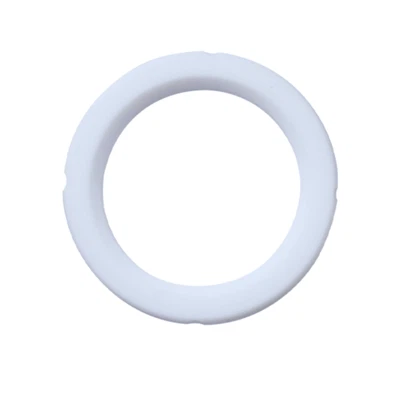
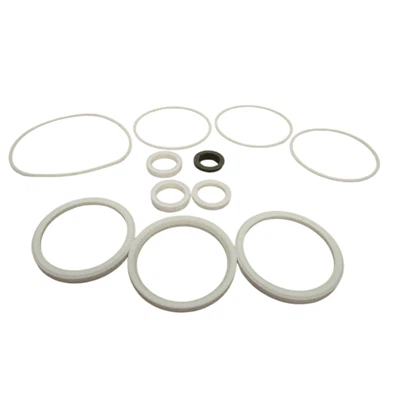
Yo, folks! As a supplier of RPTFE Low Temperature products, I've been deep into the world of RPTFE and how low temperatures mess with its brittleness transition temperature. So, let's dive right in and chat about this interesting topic.
First off, what's RPTFE? Well, RPTFE stands for Reinforced Polytetrafluoroethylene. It's a super - cool material with some amazing properties. You can check out more about it at RPTFE Material. RPTFE is known for its chemical resistance, low friction coefficient, and good mechanical properties. But here's the catch: low temperatures can really throw a wrench in its performance.
The brittleness transition temperature is a key factor when it comes to RPTFE. It's the temperature at which the material changes from being ductile (able to bend and stretch) to being brittle (breaking easily). In normal conditions, RPTFE has a certain range of flexibility and toughness. But when the temperature drops, things start to get dicey.
At low temperatures, the molecular movement in RPTFE slows down. The polymer chains that give RPTFE its flexibility become less mobile. Think of it like a bunch of snakes that are all sluggish and not moving around as freely. As a result, the material loses its ability to absorb energy through deformation. Instead of bending, it just cracks when it's under stress.
Let's talk about the real - world implications. In industries where RPTFE is used, like in valves, low temperatures can be a huge problem. RPTFE in Valve applications rely on the material's ability to seal properly and withstand mechanical stress. But if the temperature drops below the brittleness transition temperature, the RPTFE components in the valve can crack. This can lead to leaks, which are a big no - no in many industrial settings. It can cause safety hazards, product losses, and costly downtime for repairs.
Another common use of RPTFE is in RPTFE Teflon products. Teflon is a well - known brand name for PTFE - based materials, and RPTFE brings additional strength and performance. However, in cold environments, RPTFE Teflon components are at risk. For example, in cryogenic applications where temperatures can reach extremely low levels, the brittleness of RPTFE can be a major issue. Cryogenic systems are used in things like medical research, aerospace, and energy production. Any failure of RPTFE components due to low - temperature brittleness can have serious consequences.
Now, how do we deal with this problem? Well, as a supplier, we've been working on ways to improve the low - temperature performance of RPTFE. One approach is to modify the material composition. By adding certain additives or reinforcements, we can try to increase the material's toughness at low temperatures. For example, adding glass fibers or carbon fibers can improve the mechanical properties of RPTFE and make it more resistant to cracking in cold conditions.
We also do a lot of testing. We expose our RPTFE samples to different low - temperature environments and measure their performance. We look at things like the impact strength, tensile strength, and flexural strength at various temperatures. This helps us understand exactly how the material behaves and where the brittleness transition temperature lies. Based on these test results, we can make adjustments to our manufacturing processes to produce RPTFE products that are better suited for low - temperature applications.
But it's not just about the material itself. Proper installation and maintenance also play a crucial role. In cold environments, it's important to ensure that RPTFE components are installed correctly. Any misalignment or excessive stress during installation can increase the risk of cracking, especially when the temperature drops. And regular maintenance checks can help detect any early signs of damage or degradation.
So, if you're in an industry that uses RPTFE in low - temperature settings, you need to be aware of these issues. Don't just assume that RPTFE will work perfectly in all conditions. It's essential to choose the right type of RPTFE product for your specific application. And that's where we come in. As a supplier of RPTFE Low Temperature products, we have the expertise and the products to meet your needs.
Whether you're in the valve industry, cryogenic applications, or any other field that requires RPTFE in cold environments, we can provide you with high - quality RPTFE products that are designed to perform well at low temperatures. We're here to help you avoid those costly failures and keep your operations running smoothly.
If you're interested in learning more about our RPTFE Low Temperature products or want to discuss your specific requirements, don't hesitate to reach out. We're always happy to have a chat and see how we can assist you in finding the best RPTFE solutions for your low - temperature applications. Let's work together to make sure your projects are a success, even in the coldest of conditions.


References
- Some textbooks on polymer science that discuss the behavior of polymers at low temperatures.
- Industry reports on the use of RPTFE in various applications and the challenges faced in low - temperature environments.