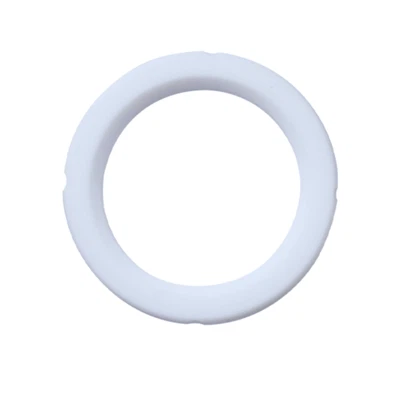
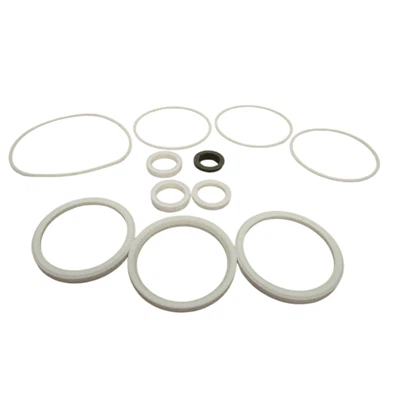
Aging is an inevitable process that affects various materials, and Reinforced Polytetrafluoroethylene (RPTFE) seat material is no exception. As a supplier of RPTFE seat material, I have witnessed firsthand the impact of aging on its properties. In this blog, I will delve into how aging affects the properties of RPTFE seat material, exploring the underlying mechanisms and implications for its performance.
Understanding RPTFE Seat Material
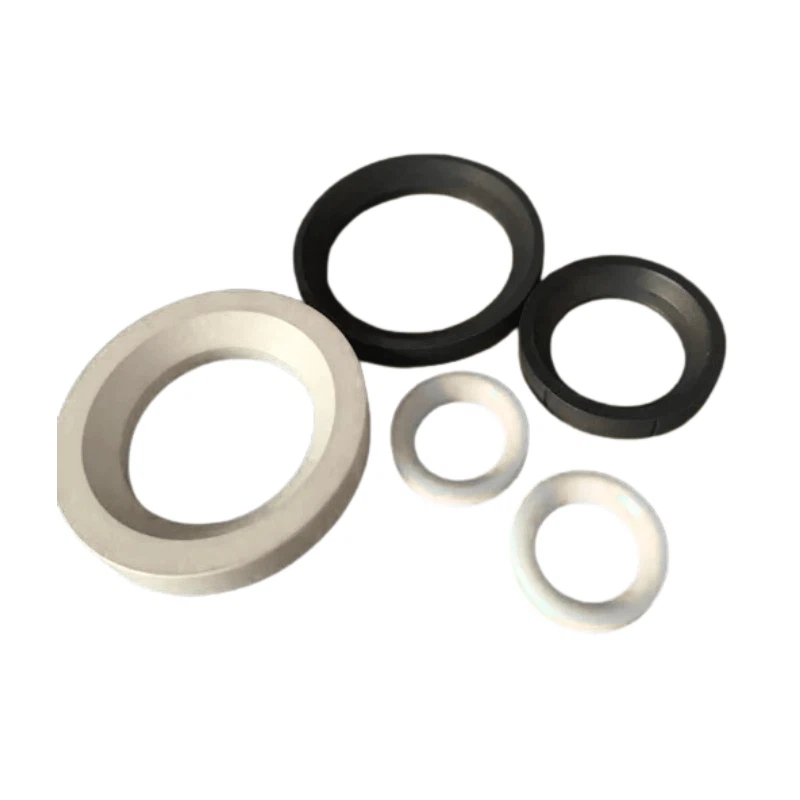
Before discussing the effects of aging, it is essential to understand what RPTFE seat material is. Reinforced Polytetrafluoroethylene is a composite material made by incorporating fillers or reinforcements into polytetrafluoroethylene (PTFE). PTFE is a well - known fluoropolymer with excellent chemical resistance, low friction coefficient, and high thermal stability. However, its mechanical properties, such as creep resistance and wear resistance, are relatively poor. By adding reinforcements like glass fibers, carbon fibers, or bronze powder, the mechanical properties of PTFE can be significantly improved, making RPTFE suitable for a wide range of applications, especially in valve seats. RPTFE in Valve applications require materials that can withstand high pressures, temperatures, and corrosive environments while maintaining a tight seal.
Physical and Chemical Changes During Aging
Aging of RPTFE seat material can occur due to various factors, including temperature, pressure, chemical exposure, and mechanical stress. These factors can cause both physical and chemical changes in the material.
Physical Changes
- Dimensional Changes: Over time, RPTFE seat material may experience dimensional changes. High temperatures can cause the material to expand, and repeated thermal cycling can lead to cumulative dimensional variations. This is particularly critical in valve applications where precise dimensions are required to ensure a proper seal. If the seat material expands or contracts beyond the acceptable limits, it can result in leakage, reduced valve performance, and potential safety hazards.
- Hardening and Brittleness: Aging can also lead to the hardening and brittleness of RPTFE seat material. The continuous exposure to mechanical stress and high temperatures can cause the polymer chains to cross - link or degrade, reducing the material's flexibility. A brittle seat material is more prone to cracking and chipping, which can compromise the integrity of the seal and increase the risk of failure.
Chemical Changes
- Oxidation: Oxidation is one of the most common chemical changes that occur during aging. When RPTFE seat material is exposed to oxygen, especially at high temperatures, the polymer chains can react with oxygen molecules, leading to the formation of carbonyl groups and other oxidation products. Oxidation can weaken the polymer structure, reduce its chemical resistance, and increase its susceptibility to further degradation.
- Chemical Erosion: Exposure to corrosive chemicals can also cause chemical erosion of the RPTFE seat material. Certain chemicals can react with the fillers or the PTFE matrix, leading to the dissolution or degradation of the material. For example, strong acids or alkalis can attack the glass fibers in glass - filled RPTFE, reducing its mechanical strength.
Impact on Mechanical Properties
The physical and chemical changes during aging have a significant impact on the mechanical properties of RPTFE seat material.
Tensile Strength
Tensile strength is an important mechanical property that measures the material's ability to withstand pulling forces. As RPTFE seat material ages, its tensile strength typically decreases. Oxidation and the degradation of the polymer chains can weaken the material's structure, making it more susceptible to failure under tensile stress. A decrease in tensile strength can lead to premature rupture of the seat material, especially in applications where high - stress conditions are present.
Compressive Strength
Compressive strength is crucial for RPTFE seat material in valve applications, as it needs to withstand high pressures. Aging can cause a reduction in compressive strength due to the hardening and brittleness of the material. A seat material with reduced compressive strength may not be able to maintain its shape under pressure, resulting in a loss of seal integrity.
Wear Resistance
Wear resistance is another important property, especially in applications where the seat material is in contact with moving parts. Aging can reduce the wear resistance of RPTFE seat material. The hardening and brittleness of the material can cause it to wear more quickly, and the degradation of the polymer matrix can also lead to the loss of the lubricating properties of PTFE. As a result, the seat material may experience increased friction and wear, leading to a shorter service life.
Impact on Sealing Performance
The sealing performance of RPTFE seat material is directly affected by its aging - related changes in properties.
Leakage
As the mechanical properties of the seat material degrade due to aging, the risk of leakage increases. Dimensional changes, reduced compressive strength, and wear can all contribute to a loss of the tight seal between the valve seat and the valve disc. Leakage not only affects the efficiency of the valve but can also be a safety concern, especially in applications involving hazardous chemicals or high - pressure fluids.
Seal Integrity
Maintaining seal integrity is essential for the proper functioning of valves. Aging can compromise the seal integrity of RPTFE seat material. Cracks, chips, and other forms of damage caused by aging can create pathways for fluid or gas to bypass the seal. In addition, the loss of flexibility due to hardening can prevent the seat material from conforming to the surface of the valve disc, further reducing the seal integrity.
Mitigating the Effects of Aging
To mitigate the effects of aging on RPTFE seat material, several strategies can be employed.
Material Selection
Choosing the right type of RPTFE seat material is crucial. Different fillers and formulations offer different levels of resistance to aging. For example, carbon - filled RPTFE may have better thermal stability and wear resistance compared to glass - filled RPTFE. When selecting the material, it is important to consider the specific application requirements, such as temperature, pressure, and chemical exposure.
Environmental Control
Controlling the environment in which the RPTFE seat material operates can also help to reduce the rate of aging. This includes maintaining proper temperature and pressure levels, minimizing exposure to oxygen and corrosive chemicals, and reducing mechanical stress. For example, using insulation to control the temperature or installing filters to remove contaminants from the fluid can extend the service life of the seat material.

Regular Inspection and Maintenance
Regular inspection and maintenance of valves with RPTFE seat material are essential. This allows for the early detection of aging - related damage, such as cracks, wear, or dimensional changes. If any issues are identified, the seat material can be replaced in a timely manner to prevent further damage and ensure the continued performance of the valve.
Conclusion
Aging has a profound impact on the properties of RPTFE seat material, affecting its physical, chemical, and mechanical properties, as well as its sealing performance. As a supplier of RPTFE seat material, we understand the importance of providing high - quality products that can withstand the effects of aging. By carefully selecting the material, controlling the operating environment, and implementing regular inspection and maintenance procedures, the negative effects of aging can be mitigated, and the service life of the RPTFE seat material can be extended.
If you are in need of high - performance RPTFE seat material for your valve applications, we are here to help. Our team of experts can assist you in choosing the right material based on your specific requirements. Contact us to start a procurement discussion and find the best RPTFE seat material solution for your needs.
References
- Brown, J. M., & Smith, A. R. (2018). The Effects of Aging on Polymer - Based Seal Materials. Journal of Materials Science, 43(12), 4123 - 4132.
- Chen, L., & Wang, H. (2020). Chemical Degradation of Reinforced Polytetrafluoroethylene in Harsh Environments. Corrosion Science, 162, 108234.
- Lee, S. K., & Kim, J. H. (2019). Mechanical Property Changes of RPTFE under Thermal Cycling Conditions. Polymer Engineering and Science, 59(7), 1234 - 1241.