


Hey there! As a supplier of Modified PTFE Gaskets, I've been getting a lot of questions lately about whether the density of these gaskets affects their performance. So, I thought I'd dive into this topic and share some insights with you all.

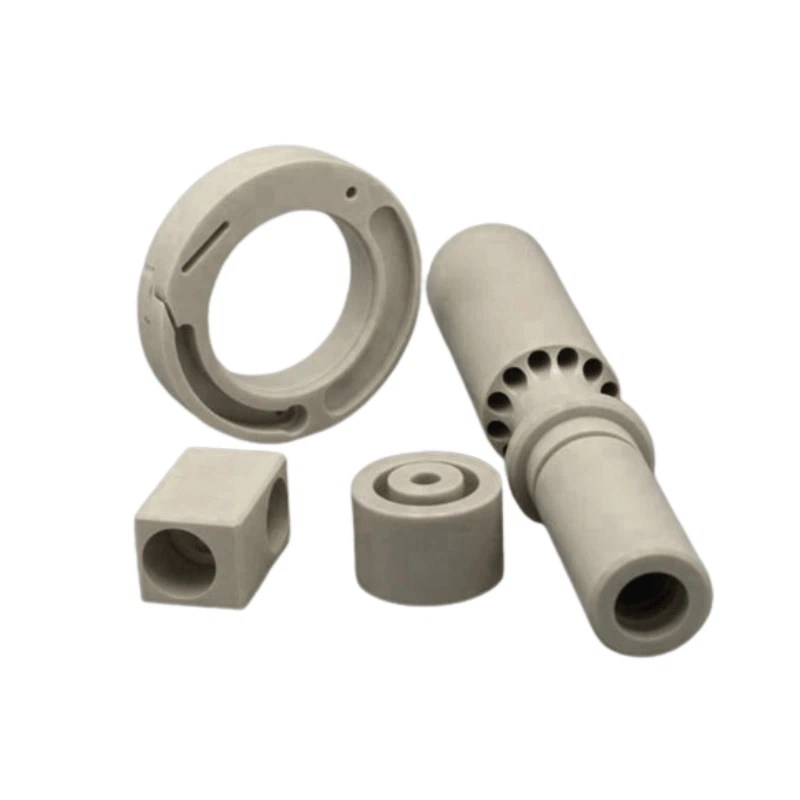
First off, let's quickly go over what Modified PTFE Gaskets are. PTFE, or Polytetrafluoroethylene, is a well - known synthetic fluoropolymer. Modified PTFE is PTFE that has been enhanced with other materials to improve its properties. These gaskets are used in a wide range of industries, from chemical processing to food and beverage, because of their excellent chemical resistance, low friction, and high temperature tolerance.
Now, onto the big question: Does density matter? Well, the short answer is yes, it does. The density of a Modified PTFE Gasket can have a significant impact on its performance in several ways.
Sealing Performance
One of the primary functions of a gasket is to create a tight seal. A gasket with the right density can conform better to the surface irregularities of the mating flanges. When the density is too low, the gasket might not be able to fill in all the gaps, leading to potential leaks. On the other hand, if the density is too high, the gasket may be too rigid to conform properly, also resulting in poor sealing.
For example, in a chemical processing plant where corrosive fluids are being transported, a gasket with an appropriate density is crucial. A low - density gasket might allow corrosive chemicals to seep through, causing damage to the equipment and posing safety risks. A high - density gasket that doesn't conform well could lead to uneven pressure distribution and eventually fail under the pressure of the fluid flow.
Compression and Recovery
Density also affects the compression and recovery properties of the gasket. Compression is how much the gasket can be squeezed when the flanges are tightened, and recovery is its ability to bounce back to its original shape when the pressure is removed.
A gasket with a lower density generally has better compression characteristics. It can be compressed more easily, which can be an advantage in applications where the available bolt load is limited. However, it may have poorer recovery, meaning it might not maintain its seal over time. A higher - density gasket, on the other hand, may have lower compressibility but better recovery. This can be beneficial in applications where the gasket is subjected to repeated cycles of compression and relaxation.
Chemical Resistance
The density of the Modified PTFE Gasket can influence its chemical resistance. A denser gasket typically has fewer voids and pores, which means it can provide better protection against chemical penetration. In industries where exposure to harsh chemicals is common, such as the pharmaceutical or petrochemical industries, a high - density gasket can offer superior chemical resistance.
For instance, in a pharmaceutical manufacturing facility, where strict hygiene and chemical resistance standards are required, a high - density Modified PTFE Gasket can prevent contamination from chemicals and ensure the purity of the products.
Temperature Resistance
Temperature is another factor affected by density. Higher - density gaskets tend to have better thermal stability. They can withstand higher temperatures without deforming or losing their sealing properties. In high - temperature applications like power generation or metal processing, a high - density gasket is often the preferred choice.
However, in some low - temperature applications, a lower - density gasket might be more suitable. Lower - density gaskets can be more flexible at low temperatures, which helps them maintain their sealing performance.
Cost - Effectiveness
When it comes to cost, density plays a role as well. Higher - density gaskets usually require more material and more complex manufacturing processes, which can make them more expensive. But in applications where they offer better performance and longer service life, the higher cost can be justified.
On the other hand, lower - density gaskets are generally more affordable. They can be a good option for applications where the performance requirements are not as stringent, or where cost is a major concern.
Real - World Examples
Let's take a look at some real - world scenarios. In a food and beverage processing plant, where the gaskets need to be clean, non - toxic, and able to seal against liquids and gases, a medium - density Modified PTFE Gasket might be the best choice. It can provide good sealing performance, conform to the equipment surfaces, and is cost - effective.
In an aerospace application, where weight, temperature resistance, and reliability are critical, a high - density gasket would be more appropriate. The high density ensures better performance under extreme conditions, even though it comes at a higher cost.
How to Choose the Right Density
So, how do you choose the right density for your application? It depends on several factors, including the type of fluid or gas being sealed, the temperature and pressure conditions, the surface finish of the mating flanges, and the available bolt load.
If you're dealing with a corrosive chemical at high pressure and temperature, a high - density gasket is likely the way to go. If you're working with a low - pressure, low - temperature application with limited bolt load, a lower - density gasket might be sufficient.
As a Modified PTFE Gasket supplier, I always recommend consulting with our technical team. We have the expertise and experience to help you select the right density and type of gasket for your specific needs. Whether you're looking for PTFE Modified Polyethylene Wax, Modified PTFE Bags, or want to know more about RPTFE Full Form, we're here to assist you.
Conclusion
In conclusion, the density of a Modified PTFE Gasket definitely affects its performance. It impacts sealing, compression and recovery, chemical and temperature resistance, and cost - effectiveness. Choosing the right density is crucial for ensuring the optimal performance of your gasket in your specific application.
If you're in the market for Modified PTFE Gaskets or have any questions about their density and performance, don't hesitate to reach out. We're here to provide you with the best products and solutions for your needs. Let's start a conversation about your requirements and find the perfect gasket for your application.
References
- "Handbook of Seal Technology" by Lebeck, A. O.
- "Gasket Selection Guide" by various industry experts


