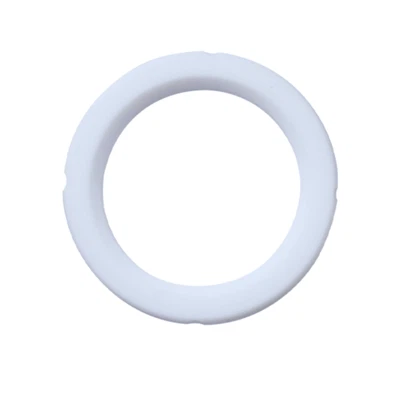
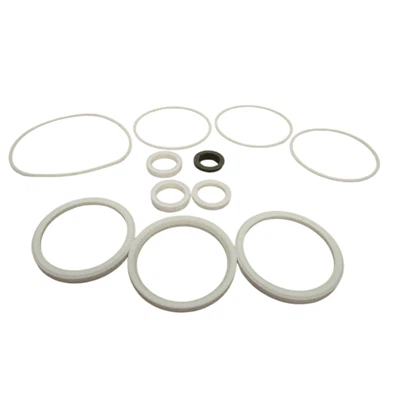
As a supplier of RPTFE Material, I often encounter inquiries regarding the extrudability of this remarkable material. In this blog post, I aim to delve into the topic of whether RPTFE Material can be extruded, exploring the scientific aspects, properties, and practical considerations.
Understanding RPTFE Material
Before we discuss the extrudability of RPTFE Material, let's first understand what it is. RPTFE, or Restructured Filled PTFE, is a high-performance material that combines the excellent properties of PTFE (Polytetrafluoroethylene) with the added benefits of fillers and restructuring processes. Restructured Filled PTFE offers enhanced mechanical strength, wear resistance, and chemical resistance compared to traditional PTFE.
PTFE is known for its low friction coefficient, high chemical resistance, and excellent electrical insulation properties. However, it has some limitations, such as poor mechanical strength and high creep under load. RPTFE addresses these limitations by incorporating fillers and undergoing a restructuring process, which improves its mechanical properties and dimensional stability.
Extrusion Process Basics
Extrusion is a manufacturing process used to create objects of a fixed cross-sectional profile. It involves forcing a material through a die, which shapes the material into the desired form. The extrusion process is widely used in various industries, including plastics, metals, and food processing.


In the case of plastics, the extrusion process typically involves melting the plastic material and then forcing it through a die using a screw or a piston. The molten plastic is then cooled and solidified to form the final product. The extrudability of a plastic material depends on several factors, including its viscosity, melting point, and thermal stability.
Can RPTFE Material be Extruded?
The answer to the question of whether RPTFE Material can be extruded is yes, but with some challenges. RPTFE Material has a relatively high melting point and a high viscosity, which makes it more difficult to extrude compared to other plastics. However, with the right equipment and processing conditions, it is possible to extrude RPTFE Material into various shapes and sizes.
One of the main challenges in extruding RPTFE Material is its high melting point. PTFE has a melting point of around 327°C (621°F), which is much higher than most other plastics. This requires the use of specialized extrusion equipment that can handle high temperatures. Additionally, the high melting point of RPTFE Material means that it requires more energy to melt and extrude, which can increase the production cost.
Another challenge in extruding RPTFE Material is its high viscosity. PTFE has a very high molecular weight, which gives it a high viscosity in the molten state. This makes it difficult to flow through the extrusion die, and it can lead to issues such as die swell and uneven flow. To overcome this challenge, it is necessary to use a high-pressure extrusion process and a die with a carefully designed profile.
Factors Affecting the Extrudability of RPTFE Material
Several factors can affect the extrudability of RPTFE Material, including:
- Fillers and Additives: The type and amount of fillers and additives used in the RPTFE Material can have a significant impact on its extrudability. Some fillers, such as glass fibers and carbon fibers, can improve the mechanical properties of the material but can also increase its viscosity and make it more difficult to extrude. Other additives, such as lubricants and processing aids, can improve the flow properties of the material and make it easier to extrude.
- Processing Temperature: The processing temperature is a critical factor in the extrusion process. If the temperature is too low, the RPTFE Material may not melt completely, which can lead to poor flow and uneven extrusion. If the temperature is too high, the RPTFE Material may degrade or decompose, which can affect its properties and performance.
- Extrusion Speed: The extrusion speed also affects the extrudability of RPTFE Material. If the extrusion speed is too high, the material may not have enough time to flow through the die properly, which can lead to issues such as die swell and uneven flow. If the extrusion speed is too low, the production efficiency may be reduced.
- Die Design: The design of the extrusion die is another important factor in the extrusion process. The die should be designed to provide a smooth and uniform flow of the RPTFE Material through the die. The die should also be made of a material that can withstand the high temperatures and pressures involved in the extrusion process.
Benefits of Extruding RPTFE Material
Despite the challenges, there are several benefits to extruding RPTFE Material. Extrusion allows for the production of complex shapes and sizes with a high degree of precision. It also offers a cost-effective way to produce large quantities of RPTFE products.
One of the main benefits of extruding RPTFE Material is its ability to maintain its excellent properties, such as its low friction coefficient, high chemical resistance, and excellent electrical insulation properties. This makes it suitable for a wide range of applications, including seals, gaskets, bearings, and electrical insulation.
Another benefit of extruding RPTFE Material is its ability to be customized. By using different fillers and additives, it is possible to modify the properties of the RPTFE Material to meet the specific requirements of a particular application. For example, adding glass fibers can improve the mechanical strength of the material, while adding carbon fibers can improve its electrical conductivity.
Applications of Extruded RPTFE Material
Extruded RPTFE Material is used in a wide range of applications, including:
- Seals and Gaskets: RPTFE Material is commonly used in seals and gaskets due to its excellent chemical resistance and low friction coefficient. Extruded RPTFE seals and gaskets can be used in a variety of industries, including automotive, aerospace, and chemical processing.
- Bearings and Bushings: RPTFE Material is also used in bearings and bushings due to its low friction coefficient and high wear resistance. Extruded RPTFE bearings and bushings can provide smooth and reliable operation in a variety of applications, including machinery, equipment, and automotive components.
- Electrical Insulation: RPTFE Material has excellent electrical insulation properties, making it suitable for use in electrical applications. Extruded RPTFE electrical insulation can be used in a variety of products, including cables, wires, and printed circuit boards.
- Chemical Processing: RPTFE Material is highly resistant to chemicals, making it suitable for use in chemical processing applications. Extruded RPTFE pipes, tubes, and fittings can be used to transport corrosive chemicals safely and efficiently.
Conclusion
In conclusion, RPTFE Material can be extruded, but with some challenges. The high melting point and high viscosity of RPTFE Material make it more difficult to extrude compared to other plastics. However, with the right equipment and processing conditions, it is possible to extrude RPTFE Material into various shapes and sizes.
Extruded RPTFE Material offers several benefits, including its excellent properties, customization options, and cost-effectiveness. It is used in a wide range of applications, including seals, gaskets, bearings, electrical insulation, and chemical processing.
If you are interested in using RPTFE Material in your application, I encourage you to contact us to discuss your specific requirements. Our team of experts can provide you with more information about the extrudability of RPTFE Material and help you select the right material and processing method for your needs.
References
- "Polytetrafluoroethylene (PTFE): Properties, Applications, and Processing" by John W. Lyons
- "Extrusion of Plastics: Theory and Practice" by Charles Rauwendaal
- "Handbook of Plastic Materials and Technology" edited by Irvin I. Rubin