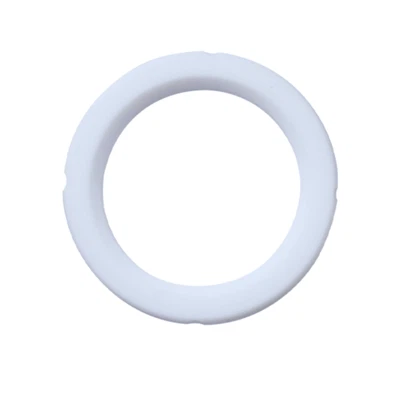
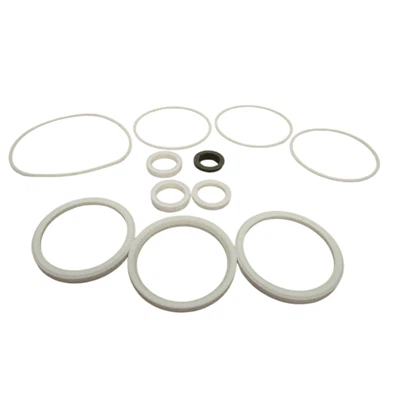
Hey there! As a supplier of RPTFE C Graphite, I often get asked whether this material can be used in cryogenic environments. Well, let's dive right into it and explore this topic in detail.
First off, let's understand what RPTFE C Graphite is. RPTFE stands for Restructured Filled PTFE. You can learn more about it on this page: Restructured Filled PTFE. It's a high - performance material that combines the excellent properties of PTFE with the added benefits of fillers. The graphite in RPTFE C Graphite gives it some unique characteristics, such as good thermal conductivity and lubricity.
Now, cryogenic environments are those with extremely low temperatures, typically below - 150°C. These conditions can be found in various industries, like aerospace, liquefied natural gas (LNG) storage and transportation, and scientific research. In such environments, materials need to have specific properties to function properly.
One of the key concerns when using a material in cryogenic conditions is its ability to withstand thermal contraction. As the temperature drops, materials tend to shrink. If a material can't handle this contraction evenly, it may crack or lose its integrity. RPTFE C Graphite has a relatively low coefficient of thermal expansion, which means it doesn't shrink too much or too unevenly when exposed to cryogenic temperatures. This property is crucial as it helps the material maintain its shape and mechanical strength.
Another important factor is the material's brittleness. At low temperatures, many materials become brittle and more prone to fracture. However, RPTFE C Graphite retains a certain degree of flexibility even in cryogenic environments. This flexibility allows it to absorb some of the stresses caused by thermal changes and mechanical vibrations, reducing the risk of cracking.
Let's talk about its chemical resistance. In cryogenic applications, the material may come into contact with various cryogenic fluids, such as liquid nitrogen or liquid oxygen. RPTFE C Graphite has excellent chemical resistance, which means it won't react with these fluids. This is essential to ensure the long - term stability and performance of the material in cryogenic systems.
In addition to its physical and chemical properties, RPTFE C Graphite also has good sealing performance. In cryogenic systems, preventing leaks is of utmost importance. Whether it's in valves or other sealing applications, this material can form a tight seal. For more information on its use in valves, check out this page: RPTFE in Valve. The graphite filler in RPTFE C Graphite helps to improve its sealing ability by providing a lubricating effect, reducing friction and wear on the sealing surfaces.
However, it's not all smooth sailing. There are still some challenges when using RPTFE C Graphite in cryogenic environments. For example, at extremely low temperatures, the mechanical properties of the material may change slightly. Although it retains its flexibility to a certain extent, its hardness may increase, which could potentially affect its sealing performance in some cases. Also, the installation process needs to be carefully controlled. If the material is not installed correctly, the stresses caused by thermal contraction may be concentrated in certain areas, leading to premature failure.
Now, let's look at some real - world applications. In the aerospace industry, cryogenic fuels like liquid hydrogen are used. RPTFE C Graphite can be used in the seals and gaskets of fuel storage tanks and delivery systems. Its ability to withstand low temperatures and provide a reliable seal is crucial for the safety and efficiency of these systems.
In the LNG industry, RPTFE C Graphite can be used in valves and pumps that handle liquefied natural gas. The low - temperature stability and chemical resistance of the material ensure that these components can operate smoothly in cryogenic conditions.

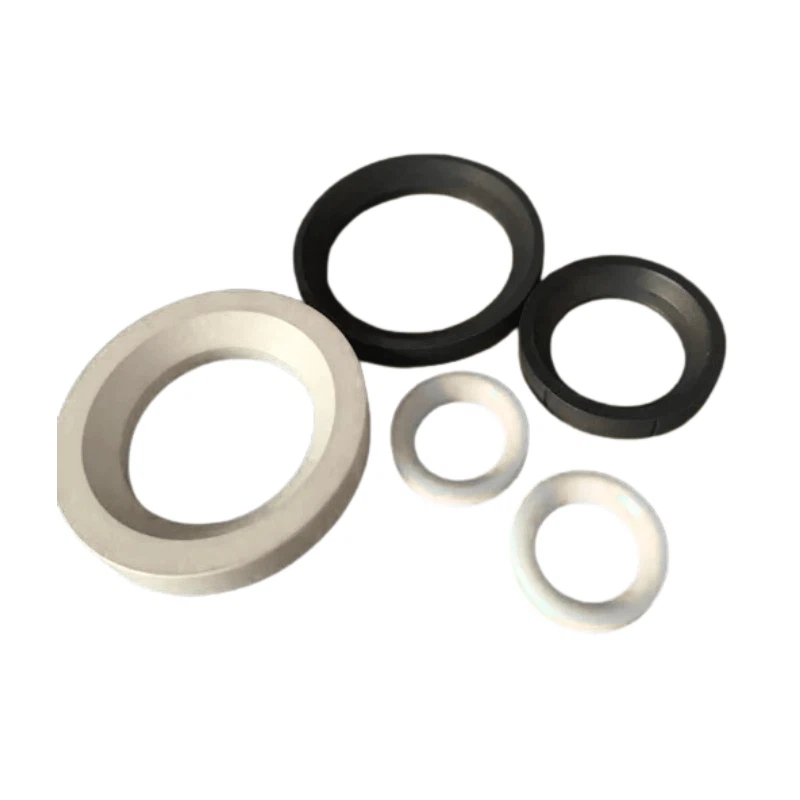
When it comes to high - temperature applications, RPTFE also has its merits. You can learn more about RPTFE's performance at high temperatures here: RPTFE High Temperature. This shows the versatility of RPTFE materials in different temperature ranges.
So, can RPTFE C Graphite be used in cryogenic environments? The answer is yes. With its low coefficient of thermal expansion, flexibility, chemical resistance, and good sealing performance, it is a viable option for many cryogenic applications. However, like any material, it has its limitations, and proper installation and maintenance are essential.
If you're involved in a cryogenic project and are looking for a reliable material for your sealing and other component needs, RPTFE C Graphite could be the solution you're looking for. We, as a supplier of RPTFE C Graphite, have a wide range of products to meet your specific requirements. Whether you need standard sizes or custom - made components, we can provide you with high - quality RPTFE C Graphite products.
If you're interested in purchasing RPTFE C Graphite or have any questions about its use in cryogenic environments, don't hesitate to get in touch with us. We're here to help you make the right choice for your project.
References:
- "Handbook of Cryogenic Engineering"
- "Materials Science and Engineering: An Introduction"