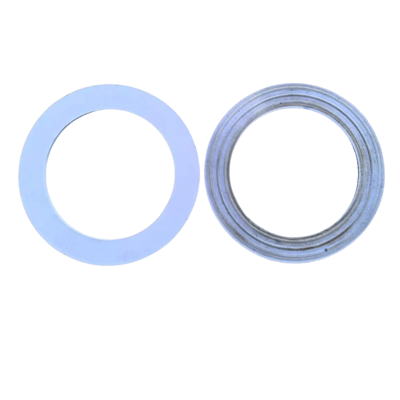
Hey there! I'm a supplier of RPTFE Seat Material, and today I want to chat about the types of radiation this awesome material can resist.
First off, let's quickly understand what RPTFE Seat Material is. RPTFE stands for Reinforced Polytetrafluoroethylene. It's a high - performance material that combines the excellent properties of PTFE with added reinforcement to enhance its strength and durability. If you want to know more about it, you can check out RPTFE Teflon and RPTFE Material. And of course, for all the details about our star product, RPTFE Seat Material is the place to go.
Now, let's dive into the radiation - resistance aspect. Radiation comes in different forms, and RPTFE Seat Material has shown some great capabilities when it comes to withstanding them.
1. Ultraviolet (UV) Radiation
UV radiation is something we're all familiar with, especially if you've ever worried about sunburn. It's part of the electromagnetic spectrum with wavelengths shorter than visible light. When materials are exposed to UV radiation for long periods, they can degrade. This degradation can lead to changes in color, loss of mechanical properties, and surface cracking.
RPTFE Seat Material has a pretty good resistance to UV radiation. The structure of RPTFE helps it to prevent the penetration of UV rays deep into the material. The reinforced components in RPTFE also play a role in maintaining the material's integrity. For example, in outdoor applications where valves with RPTFE seats are used, they can withstand years of sunlight exposure without significant degradation. This makes RPTFE Seat Material a great choice for outdoor - based industrial systems, such as water treatment plants or oil and gas facilities located in sunny areas.
2. Gamma Radiation
Gamma radiation is a high - energy form of electromagnetic radiation. It's produced by nuclear reactions, such as those in nuclear power plants or during radioactive decay. Gamma rays have very short wavelengths and high energies, which can cause severe damage to most materials.
RPTFE Seat Material can tolerate a certain level of gamma radiation. The unique molecular structure of RPTFE provides some shielding against the high - energy gamma photons. However, the degree of resistance depends on the intensity and duration of the gamma radiation exposure. In nuclear power plants, where valves need to operate under radiation - rich environments, RPTFE Seat Material can be used, but the system designers need to carefully consider the radiation dose rate. Regular inspections are also required to ensure that the material's performance remains within the acceptable range over time.
3. X - ray Radiation
X - rays are another form of electromagnetic radiation with shorter wavelengths than UV but longer than gamma rays. They're commonly used in medical imaging and industrial inspection processes.


RPTFE Seat Material shows good resistance to X - ray radiation. In industrial settings, where X - ray inspection is used to detect internal flaws in components, the RPTFE seats in valves and other equipment can remain unaffected. The material doesn't absorb X - rays significantly, which means it won't experience structural changes during normal X - ray inspection procedures. This is important because it allows for non - destructive testing of systems that incorporate RPTFE Seat Material without compromising the material's performance.
4. Beta Radiation
Beta radiation consists of high - energy electrons or positrons. It's produced during radioactive decay. Beta particles can penetrate materials to a certain depth, depending on their energy.
RPTFE Seat Material has a reasonable resistance to beta radiation. The electrons or positrons in beta radiation interact with the atoms in the RPTFE material. However, the material's structure can withstand these interactions without undergoing rapid degradation. In some applications where beta - emitting radioactive substances are present, such as in certain research laboratories or some industrial processes involving radioactive isotopes, RPTFE Seat Material can be used to ensure the proper functioning of valves and other components.
Factors Affecting Radiation Resistance
The radiation resistance of RPTFE Seat Material isn't just about the type of radiation. There are several other factors that come into play.
Temperature: Higher temperatures can reduce the material's resistance to radiation. When the material is heated, its molecular structure becomes more mobile, making it more vulnerable to the effects of radiation. For example, if a valve with an RPTFE seat is operating in a high - temperature and high - radiation environment, the degradation rate may be faster compared to a low - temperature situation.
Duration of Exposure: The longer the material is exposed to radiation, the more likely it is to experience some level of degradation. Even if the radiation intensity is relatively low, continuous exposure over a long period can cause cumulative damage to the RPTFE Seat Material.
Radiation Dose Rate: A high dose rate of radiation can cause more immediate and severe damage to the material. For instance, a sudden burst of high - energy gamma radiation can cause more significant structural changes in RPTFE compared to a slow, steady dose of the same type of radiation.
Why Choose RPTFE Seat Material for Radiation - Prone Environments
There are several reasons why RPTFE Seat Material is a great choice for applications where radiation is a concern.
Versatility: As we've seen, it can resist multiple types of radiation, which makes it suitable for a wide range of industries. Whether it's in a nuclear power plant, an outdoor industrial facility, or a medical research lab, RPTFE Seat Material can hold up well.
Chemical Resistance: In addition to radiation resistance, RPTFE Seat Material has excellent chemical resistance. This means that it can also withstand the presence of various chemicals that may be present in radiation - prone environments. For example, in a chemical processing plant with radioactive substances, the RPTFE seats won't be affected by the corrosive chemicals while also resisting the radiation.
Low Friction: RPTFE has a very low coefficient of friction. This property is beneficial in valve applications, as it allows for smooth operation. Even under radiation exposure, the low - friction characteristic of RPTFE Seat Material remains relatively stable, ensuring the proper functioning of valves.
Contact Us for Your RPTFE Seat Material Needs
If you're looking for a reliable RPTFE Seat Material for your radiation - prone applications, we're here to help. Our RPTFE Seat Material has been tested and proven to offer great radiation resistance. Whether you need it for a small - scale research project or a large - scale industrial installation, we can provide the right solution for you.
Don't hesitate to reach out to us for more information, samples, or to start a procurement discussion. We're committed to providing high - quality products and excellent customer service. Let's work together to find the best RPTFE Seat Material for your specific requirements.
References
- ASTM International Standards on Material Testing for Radiation Resistance
- Research Papers on the Effects of Radiation on Polytetrafluoroethylene - based Materials
- Industry Reports on the Use of RPTFE in Radiation - Prone Environments