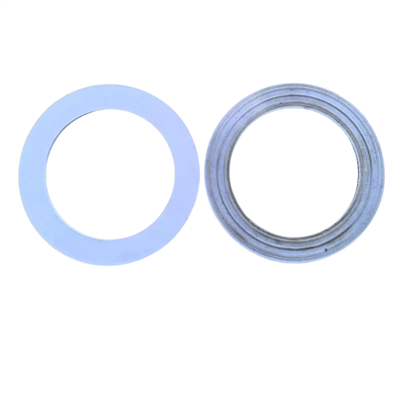
What is the Shelf - life of TFM Modified PTFE?
As a supplier of TFM Modified PTFE, I often encounter inquiries about the shelf - life of this remarkable material. Understanding the shelf - life of TFM Modified PTFE is crucial for both us as suppliers and our customers, who rely on its consistent performance in various applications.
An Overview of TFM Modified PTFE
TFM Modified PTFE represents an advanced form of polytetrafluoroethylene (PTFE) that has been modified to enhance its properties. TFM Modified PTFE combines the excellent chemical resistance, low friction, and high temperature stability of PTFE with improved mechanical strength and processing characteristics. These enhancements make it a preferred material in numerous industries, including chemical processing, semiconductor manufacturing, and aerospace.
The modification process of PTFE to TFM involves introducing specific additives or making small chemical changes to the PTFE molecular structure. This results in a material that has reduced molding shrinkage, better crack resistance, and an overall improvement in dimensional stability compared to standard PTFE.
Factors Affecting the Shelf - life of TFM Modified PTFE
The shelf - life of TFM Modified PTFE is influenced by several key factors. Understanding these factors can help us better manage inventory and ensure that the product maintains its quality over time.
-
Storage Conditions
The most significant factor affecting the shelf - life of TFM Modified PTFE is the storage conditions. TFM Modified PTFE should be stored in a cool, dry place away from direct sunlight and sources of heat. High temperatures can cause the material to soften or degrade, while exposure to moisture can lead to surface contamination or, in extreme cases, chemical reactions that may affect its properties.
For example, if TFM Modified PTFE is stored in an area with high humidity, the moisture can penetrate the material's surface and potentially react with any residual additives. This can lead to changes in its mechanical properties, such as a decrease in tensile strength. Therefore, it is recommended to store the material in a climate - controlled environment with a temperature range of 20 - 25°C and a relative humidity of less than 60%. -
Packaging
Proper packaging also plays a vital role in extending the shelf - life of TFM Modified PTFE. The material should be packaged in a way that protects it from physical damage, contaminants, and environmental factors. Most commonly, TFM Modified PTFE is packaged in sealed plastic bags or containers. These packages help to prevent dust, moisture, and other pollutants from coming into contact with the material.
Some manufacturers may also use anti - static packaging for TFM Modified PTFE, especially if it is intended for use in applications where static electricity can cause problems, such as in the electronics industry. This type of packaging helps to reduce the risk of static - related damage during storage and transportation. -
Exposure to Chemicals
TFM Modified PTFE has excellent chemical resistance, but prolonged exposure to certain aggressive chemicals can still have an impact on its shelf - life. For instance, strong oxidizing agents, high - concentration acids, or alkalis can cause the material to degrade over time. Therefore, it is essential to store TFM Modified PTFE away from any chemical sources that could potentially react with it.
If the material is being used in a chemical - processing environment, it is important to consider the compatibility of the TFM Modified PTFE with the specific chemicals it will come into contact with. This can help to ensure that the material maintains its integrity and performance over the long term.
Determining the Shelf - life of TFM Modified PTFE
Estimating the exact shelf - life of TFM Modified PTFE can be challenging, as it depends on the combination of the factors mentioned above. However, under ideal storage conditions (cool, dry, and protected), TFM Modified PTFE can have a shelf - life of 5 to 10 years.
Manufacturers often conduct accelerated aging tests to simulate long - term storage conditions in a shorter period. These tests involve exposing the material to elevated temperatures, high humidity, or specific chemicals for a defined period and then analyzing its physical and chemical properties. By extrapolating the results of these tests, manufacturers can provide an estimate of the material's shelf - life.
It is important to note that even if TFM Modified PTFE has been stored for a long time, it does not necessarily mean that it has lost its functionality. Before using the material, it is recommended to conduct a simple inspection to check for any visible signs of damage, such as cracks, discoloration, or changes in texture. In some cases, additional testing may be required to ensure that the material still meets the required specifications.
Applications and the Impact of Shelf - life
TFM Modified PTFE is used in a wide range of applications, and the shelf - life can have different implications depending on the specific use case.
-
Chemical Processing Industry
In the chemical processing industry, TFM Modified PTFE is commonly used for gaskets, seals, and linings. These components need to maintain their chemical resistance and mechanical properties over an extended period. A longer shelf - life ensures that the materials are readily available and can be used without the risk of premature failure.
For example, a chemical plant may need to replace a gasket made of TFM Modified PTFE during a scheduled maintenance. If the gasket has been stored properly and is within its shelf - life, it can be installed with confidence that it will provide a reliable seal and resist chemical corrosion.

-
Semiconductor Manufacturing
In semiconductor manufacturing, Modified PTFE TFM is used in cleanroom environments for components such as wafer carriers and tubing. The cleanliness and purity of the material are of utmost importance in this industry. A well - maintained shelf - life helps to ensure that the material does not introduce any contaminants into the manufacturing process.
Over time, if the TFM Modified PTFE material is not stored correctly, it may develop surface contaminants or degrade, which could lead to product defects in the semiconductor manufacturing process. Therefore, strict control of the storage and shelf - life is essential in this industry. -
Aerospace Industry
The aerospace industry requires materials that can withstand extreme conditions, including high temperatures, low pressures, and mechanical stress. TFM Modified PTFE is used in various aerospace applications, such as seals for fuel systems and valves. The shelf - life of the material is critical to ensure that it can perform reliably in these demanding environments.
If the material has exceeded its recommended shelf - life and has undergone some degree of degradation, there is a risk of failure during flight, which could have serious safety implications. Therefore, aerospace companies typically have strict quality control procedures in place to ensure that the TFM Modified PTFE they use is within its effective shelf - life.
Conclusion
In conclusion, the shelf - life of TFM Modified PTFE is influenced by storage conditions, packaging, and exposure to chemicals. Under ideal conditions, it can have a shelf - life of 5 to 10 years. As a supplier of TFM Modified PTFE, we understand the importance of maintaining the quality of our products over time. We take great care in storing and packaging our PTFE Modified Sheets and other TFM Modified PTFE products to ensure that they reach our customers in optimal condition.
If you are in need of high - quality TFM Modified PTFE for your specific application, we encourage you to contact us for more information and to discuss your procurement needs. Our team of experts is ready to assist you in selecting the right product and ensuring that it meets your requirements.
References
- "Handbook of PTFE and Other Fluoroplastics" by David E. Billingham.
- "Advanced Polymers for High - Performance Applications" edited by John M. Chalmers.