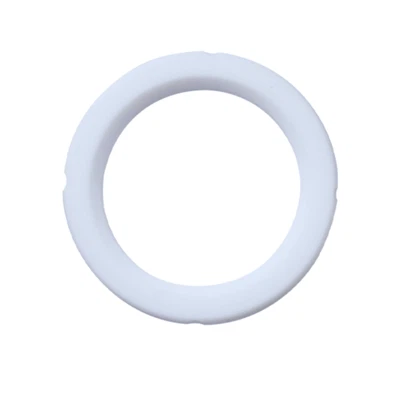
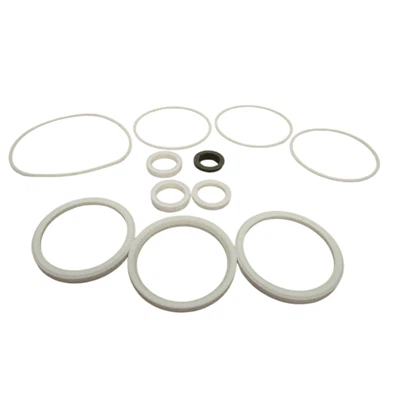
As a supplier of Modified PTFE EZ, I am often asked about its various properties, and one question that comes up frequently is its flame resistance. In this blog post, I will delve into the details of the flame resistance of Modified PTFE EZ, exploring what it is, how it is achieved, and why it matters in different applications.


Understanding Flame Resistance
Flame resistance refers to a material's ability to resist ignition, prevent the spread of fire, and self - extinguish when the ignition source is removed. It is a crucial property in many industries, especially those where fire safety is a top concern, such as the electrical, automotive, and aerospace sectors.
PTFE (Polytetrafluoroethylene) is known for its excellent chemical resistance, low friction coefficient, and high temperature stability. However, pure PTFE has some limitations in terms of mechanical properties and flame resistance. Modified PTFE EZ is a specially formulated version of PTFE that addresses these limitations while maintaining many of its desirable characteristics.
Flame Resistance Mechanisms of Modified PTFE EZ
The flame resistance of Modified PTFE EZ is achieved through a combination of factors. Firstly, the chemical structure of PTFE itself provides a certain level of inherent flame retardancy. PTFE contains a high proportion of fluorine atoms, which form strong carbon - fluorine bonds. These bonds are extremely stable and difficult to break, even at high temperatures. When exposed to fire, the fluorine atoms can react with free radicals in the combustion process, effectively quenching the flame and preventing further propagation.
In addition to the inherent properties of PTFE, the modification process of Modified PTFE EZ further enhances its flame resistance. During the modification, specific additives are incorporated into the PTFE matrix. These additives can act as flame retardants by several mechanisms. Some additives can release non - combustible gases when heated, such as water vapor or carbon dioxide. These gases dilute the oxygen concentration around the material, making it more difficult for the fire to sustain. Other additives can form a protective char layer on the surface of the material when exposed to high temperatures. This char layer acts as a barrier, preventing the transfer of heat and oxygen to the underlying material, and thus suppressing the combustion process.
Testing and Standards for Flame Resistance
To ensure the reliability of the flame resistance of Modified PTFE EZ, it is subjected to a series of rigorous tests. One of the most commonly used tests is the UL 94 test, which is a standard test method for flammability of plastic materials for parts in devices and appliances. The UL 94 test classifies materials into different ratings based on their burning behavior, such as V - 0, V - 1, and V - 2. A V - 0 rating indicates the highest level of flame resistance, where the material stops burning within a short time after the ignition source is removed and does not drip flaming particles.
Modified PTFE EZ typically meets or exceeds the requirements of the UL 94 V - 0 rating, demonstrating its excellent flame - retardant performance. This high - level flame resistance makes it suitable for use in applications where strict fire safety regulations must be met.
Applications Benefiting from Flame Resistance
The flame resistance of Modified PTFE EZ makes it a valuable material in a wide range of applications.
Electrical Industry
In the electrical industry, safety is of utmost importance. Modified PTFE EZ is used in the insulation of wires and cables. Its flame - retardant properties prevent the spread of fire in case of electrical short - circuits or overheating. This helps to protect the electrical system and reduce the risk of fire - related accidents. For example, in high - voltage power transmission cables, the use of Modified PTFE EZ insulation can ensure the reliable operation of the power grid and enhance the overall safety of the electrical infrastructure.
Automotive Industry
In the automotive industry, there are numerous components that require flame - resistant materials. Modified PTFE EZ can be used in engine compartments, where it is exposed to high temperatures and potential fire hazards. It can be used for gaskets, seals, and wiring insulation. The flame resistance of Modified PTFE EZ helps to prevent the spread of fire in the event of an engine fire, protecting the vehicle and its occupants.
Aerospace Industry
The aerospace industry has extremely strict requirements for fire safety. Modified PTFE EZ is used in various aerospace applications, such as in the insulation of aircraft wiring, the manufacturing of seals and gaskets for fuel systems, and in the construction of interior components. Its excellent flame resistance ensures the safety of the aircraft during flight and reduces the risk of fire - related disasters.
Comparison with Other Flame - Resistant Materials
When compared with other flame - resistant materials, Modified PTFE EZ offers several advantages. Firstly, it combines excellent flame resistance with other desirable properties such as chemical resistance and low friction. Many other flame - resistant materials may have good fire - retardant performance but lack the chemical stability or low - friction characteristics of Modified PTFE EZ.
Secondly, Modified PTFE EZ has a relatively high continuous use temperature. It can maintain its mechanical and flame - retardant properties at elevated temperatures, which is not always the case for some other flame - resistant polymers. This makes it suitable for applications where high - temperature resistance is also required.
Quality Assurance and Supply
As a supplier of Modified PTFE EZ, we are committed to providing high - quality products. We have a strict quality control system in place to ensure that every batch of Modified PTFE EZ meets the specified flame - resistance standards. Our production process is carried out in a state - of - the - art manufacturing facility, using advanced equipment and technologies.
We also offer a wide range of Modified PTFE Product options to meet the diverse needs of our customers. Whether you need a specific grade of Modified PTFE EZ for a particular application or a customized solution, we can work with you to find the best fit. In addition, we provide Filled Modified PTFE Product which can further enhance the performance of Modified PTFE EZ in different scenarios.
Conclusion
The flame resistance of Modified PTFE EZ is a result of its inherent chemical structure and the carefully designed modification process. It offers a high level of fire safety in various industries, including electrical, automotive, and aerospace. With its excellent combination of flame resistance, chemical resistance, and other properties, Modified PTFE EZ is a reliable choice for applications where fire safety is a critical concern.
If you are interested in learning more about Modified PTFE or are considering using Modified PTFE EZ in your projects, we invite you to contact us for a detailed discussion. Our team of experts is ready to provide you with professional advice and support to ensure that you get the most suitable product for your needs. Let's work together to achieve the highest level of safety and performance in your applications.
References
- "Handbook of Fluoropolymer Science and Technology", edited by Harry L. Strauss, 2004.
- UL 94 Standard for Tests for Flammability of Plastic Materials for Parts in Devices and Appliances.