


As a supplier of RPTFE (Reinforced Polytetrafluoroethylene) material, I often get asked about its electrical conductivity. In this blog post, I'll delve into the details of what the electrical conductivity of RPTFE material is, how it's influenced, and its implications in various applications.
Understanding RPTFE Material
Before we discuss electrical conductivity, let's briefly understand what RPTFE material is. RPTFE, also known as Restructured Filled PTFE, is a high - performance polymer. It is a form of polytetrafluoroethylene that has been reinforced with various fillers to enhance its mechanical, thermal, and chemical properties. The base material, PTFE, is well - known for its excellent chemical resistance, low friction coefficient, and high thermal stability. When it is reinforced, it can be tailored to meet specific application requirements.
Electrical Conductivity Basics
Electrical conductivity is a measure of a material's ability to conduct an electric current. It is the reciprocal of electrical resistivity. Materials with high electrical conductivity, such as metals like copper and aluminum, allow electrons to flow freely through them. On the other hand, insulators have very low electrical conductivity, which means they impede the flow of electrons.
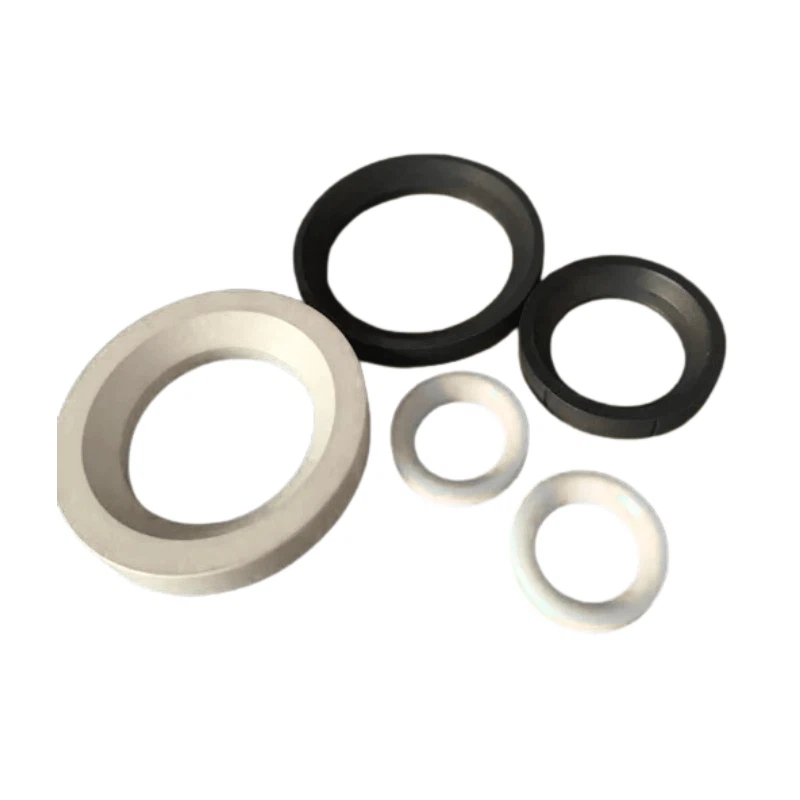

Electrical Conductivity of RPTFE
RPTFE is generally considered an excellent electrical insulator. The base PTFE has a very high electrical resistivity, typically on the order of 10¹⁶ - 10¹⁸ ohm - centimeters. This high resistivity results from the strong carbon - fluorine bonds in PTFE, which hold the electrons tightly and prevent them from moving freely.
When PTFE is reinforced to form RPTFE, the electrical conductivity can vary depending on the type and amount of filler used. Some common fillers used in RPTFE include glass fiber, carbon fiber, graphite, and bronze.
- Glass Fiber Filled RPTFE: Glass fiber is an insulator. When it is used as a filler in RPTFE, it does not significantly change the electrical insulating properties of the material. The resulting glass - fiber filled RPTFE still maintains a very low electrical conductivity, making it suitable for applications where electrical insulation is required, such as in electrical connectors and circuit boards.
- Carbon Fiber Filled RPTFE: Carbon fiber is a conductor. When carbon fiber is added to RPTFE, it can increase the electrical conductivity of the material. The amount of increase depends on the volume fraction of the carbon fiber. A small amount of carbon fiber may only slightly increase the conductivity, while a higher volume fraction can make the RPTFE material semi - conductive. Carbon - fiber filled RPTFE is often used in applications where static dissipation is required, such as in electronic enclosures to prevent electrostatic discharge (ESD) damage to sensitive components.
- Graphite Filled RPTFE: Graphite is also a conductor. Similar to carbon fiber, graphite fillers can enhance the electrical conductivity of RPTFE. Graphite - filled RPTFE can provide good electrical conductivity along with improved wear resistance and self - lubrication. It is commonly used in applications such as seals in electrical equipment where both electrical conductivity and mechanical performance are needed.
- Bronze Filled RPTFE: Bronze is a metal alloy and a good conductor. When bronze is used as a filler in RPTFE, it can significantly increase the electrical conductivity of the material. Bronze - filled RPTFE is often used in applications where high electrical conductivity and good mechanical strength are required, such as in electrical contacts and sliding bearings in electrical machinery.
Factors Affecting Electrical Conductivity of RPTFE
- Filler Type and Content: As mentioned above, the type of filler used in RPTFE has a major impact on its electrical conductivity. Additionally, the content of the filler also matters. Generally, as the filler content increases, the electrical conductivity of the RPTFE material will change according to the conductive nature of the filler. For example, if the filler is a conductor, increasing its content will increase the conductivity.
- Processing Conditions: The way RPTFE is processed can also affect its electrical conductivity. Factors such as molding temperature, pressure, and cooling rate can influence the dispersion of the filler in the PTFE matrix. A more uniform dispersion of the filler can lead to more consistent electrical conductivity throughout the material.
- Environmental Conditions: Temperature and humidity can have an impact on the electrical conductivity of RPTFE. As the temperature increases, the electrical conductivity of RPTFE may change slightly. In high - humidity environments, moisture can be absorbed by the material, which may also affect its electrical properties.
Applications Based on Electrical Conductivity
- Electrical Insulation Applications: For applications where electrical insulation is crucial, such as in high - voltage electrical equipment, transformers, and cable insulation, glass - fiber filled RPTFE is an ideal choice. Its low electrical conductivity ensures that there is no leakage current, which can prevent electrical breakdown and ensure the safe operation of the equipment.
- Static Dissipation Applications: In the electronics industry, static electricity can cause damage to sensitive components. Carbon - fiber or graphite - filled RPTFE can be used in enclosures, trays, and handling equipment to dissipate static charges safely. This helps to protect the electronic devices from ESD damage.
- Electrical Contact Applications: Bronze - filled RPTFE is often used in electrical contacts. Its high electrical conductivity allows for efficient current transfer, while its mechanical properties, such as wear resistance and low friction, ensure a long - lasting and reliable contact.
Conclusion
The electrical conductivity of RPTFE material is a complex property that depends on the type and amount of filler, processing conditions, and environmental factors. As a supplier of RPTFE High Temperature materials, we can customize the electrical conductivity of RPTFE according to your specific application requirements. Whether you need a highly insulating RPTFE for electrical insulation applications or a conductive RPTFE for electrical contact or static dissipation applications, we have the expertise and resources to provide you with the right solution.
If you are interested in purchasing RPTFE material for your specific project, we invite you to contact us for a detailed discussion. Our team of experts will work closely with you to understand your needs and provide you with the best - suited RPTFE product.
References
- "Handbook of Polytetrafluoroethylene (PTFE) and Related Fluoropolymers" by John Scheirs
- "Plastics Materials" by J. A. Brydson


