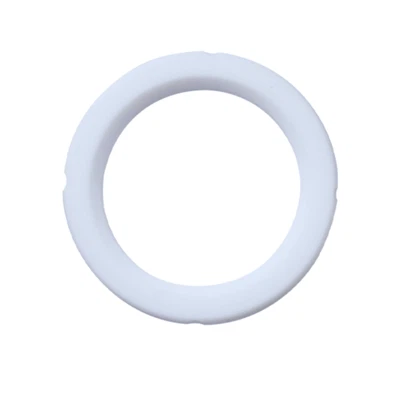
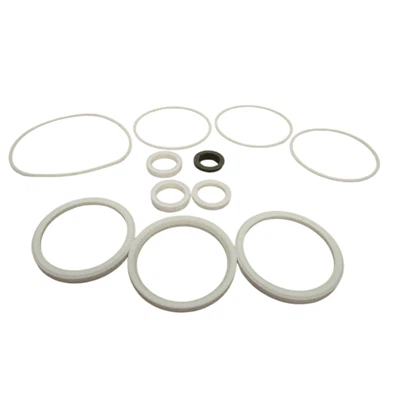
Hey there! As a supplier of RPTFE Seat Material, I often get asked about the differences between different grades of this stuff. So, I thought I'd write this blog to break it all down for you in a way that's easy to understand.
First off, let's talk about what RPTFE is. RPTFE stands for Reinforced Polytetrafluoroethylene. It's a super - useful material that's commonly used in seat applications, especially in valves and other mechanical components. It's known for its excellent chemical resistance, low friction, and good sealing properties.
Now, the grades of RPTFE Seat Material can vary quite a bit, and these differences can have a big impact on how well the material performs in different situations.
Temperature Resistance
One of the major differences between grades is their temperature resistance. We've got RPTFE High Temperature and RPTFE Low Temperature options.
The high - temperature grade of RPTFE Seat Material is designed to handle extreme heat. It can withstand temperatures that would make other materials melt or break down. This is crucial in applications where the environment gets really hot, like in some industrial processes or high - performance engines. For example, in a chemical plant where reactions generate a lot of heat, using a high - temperature RPTFE seat can prevent leaks and ensure the proper functioning of valves.
On the other hand, the low - temperature grade is made to work well in cold conditions. It remains flexible and retains its sealing properties even when it's freezing outside. Think about applications in refrigeration systems or in Arctic environments. Using a low - temperature RPTFE seat ensures that the seals don't become brittle and start leaking when the temperature drops.
Chemical Resistance
Another key difference is in chemical resistance. Different grades of RPTFE Seat Material have varying levels of resistance to different chemicals. Some grades are more resistant to acids, while others are better at withstanding alkalis.
If you're working in an environment where your seat material will come into contact with strong acids, you'll want to choose a grade that's specifically formulated for acid resistance. This will prevent the material from degrading over time, which could lead to leaks and system failures. Similarly, if your application involves exposure to alkalis, you need to pick a grade that can handle them.
Mechanical Properties
The mechanical properties of different grades also vary. Some grades of RPTFE Seat Material are more rigid, while others are more flexible.
A rigid grade is great when you need a seat that can maintain its shape under high pressure. It won't deform easily, which is important in applications where there's a lot of force acting on the seat. For example, in high - pressure hydraulic systems, a rigid RPTFE seat can ensure a tight seal and prevent fluid leakage.
A flexible grade, on the other hand, is useful when you need the seat to conform to irregular surfaces. It can adapt to minor imperfections in the mating parts, providing a better seal. This is often the case in applications where the components aren't perfectly machined or where there's some movement between parts.
Purity and Contamination
Purity is another factor that differentiates the grades. Some applications require a very high - purity RPTFE Seat Material. For example, in the food and beverage industry or in pharmaceutical manufacturing, any contamination from the seat material could be a big problem. High - purity grades are made with strict quality control measures to ensure that they don't introduce any harmful substances into the product.
On the other hand, for less critical applications, a lower - purity grade might be sufficient. These grades are usually more cost - effective, which can be a big advantage if you're on a tight budget.
Cost
Cost is always a consideration when choosing a material. Generally, the more specialized the grade of RPTFE Seat Material, the higher the cost. High - temperature, high - chemical - resistance, and high - purity grades tend to be more expensive because they require more advanced manufacturing processes and better raw materials.

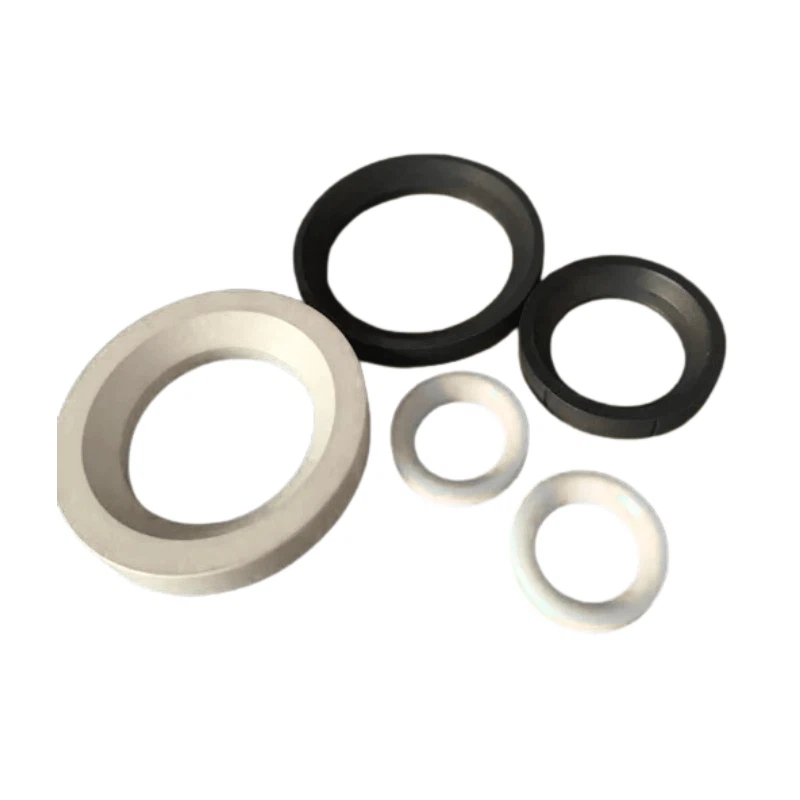
However, it's important to remember that you get what you pay for. In some cases, spending a little more on a higher - quality grade can save you a lot of money in the long run by reducing maintenance costs and preventing system failures.
How to Choose the Right Grade
So, how do you choose the right grade of RPTFE Seat Material for your application? Well, you need to consider a few things.
First, think about the temperature range of your application. If it's hot, go for the RPTFE High Temperature grade. If it's cold, the RPTFE Low Temperature grade is your best bet.
Next, consider the chemicals that the seat will come into contact with. Make sure you choose a grade that has the appropriate chemical resistance.
Also, think about the mechanical requirements of your application. Do you need a rigid or a flexible seat?
Finally, factor in your budget. But don't just go for the cheapest option. Make sure you're getting a grade that will meet your performance needs.
Why Choose Us as Your Supplier
As a supplier of RPTFE Seat Material, we've got a wide range of grades to choose from. We understand that every application is unique, and we're here to help you find the perfect grade for your needs.
We've got a team of experts who can answer all your questions and provide you with technical support. We also offer custom - made solutions if you have specific requirements that our standard grades don't meet.
Our materials are of the highest quality, and we use the latest manufacturing techniques to ensure consistency and reliability. We're committed to providing excellent customer service, and we'll work with you every step of the way to make sure you're satisfied with your purchase.
If you're in the market for RPTFE Seat Material, I encourage you to get in touch with us. We'd love to have a chat about your application and help you choose the right grade. Whether you're a small business or a large corporation, we can provide you with the materials you need at a competitive price. So, don't hesitate to reach out and start a conversation about your procurement needs.
References
- "Handbook of Polytetrafluoroethylene (PTFE) and Related Fluoropolymers"
- "Engineering Plastics: Properties and Applications"