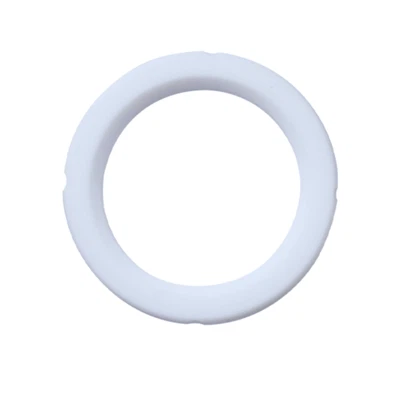
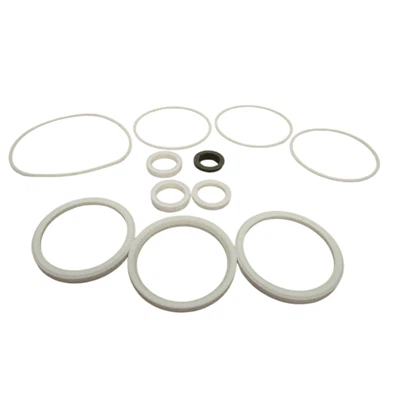
As a supplier of RPTFE (Restructured PTFE) material, I often encounter inquiries about its various properties, and one question that frequently comes up is: "What is the compression strength of RPTFE material?" In this blog post, I will delve into the details of the compression strength of RPTFE material, exploring its significance, influencing factors, and applications.
Understanding Compression Strength
Compression strength refers to the maximum amount of compressive stress a material can withstand before it fails or undergoes significant deformation. For RPTFE material, this property is crucial as it determines its suitability for applications where it will be subjected to compressive forces. When a load is applied to an RPTFE component, the material must be able to resist the pressure without breaking or losing its shape, ensuring the proper functioning of the overall system.
Factors Affecting the Compression Strength of RPTFE Material
1. Filler Content and Type
RPTFE is often filled with various materials to enhance its properties. Different fillers can have a significant impact on the compression strength of the material. For example, glass fiber is a commonly used filler in RPTFE. Glass fiber - filled RPTFE generally has higher compression strength compared to unfilled PTFE. The glass fibers act as reinforcement, distributing the compressive load more evenly throughout the material and preventing the formation and propagation of cracks. Other fillers such as carbon fiber, bronze powder, and graphite also contribute to improving the compression strength, each with its own unique characteristics. Carbon fiber - filled RPTFE offers high strength - to - weight ratio and good wear resistance, while bronze powder - filled RPTFE provides excellent thermal conductivity in addition to enhanced compression strength. You can learn more about Restructured Filled PTFE on our website.
2. Manufacturing Process
The manufacturing process of RPTFE material plays a vital role in determining its compression strength. The process of restructuring PTFE involves techniques such as sintering and molding. Proper sintering conditions, including temperature, time, and pressure, are essential for achieving optimal compression strength. If the sintering temperature is too low, the PTFE molecules may not fully bond, resulting in a weaker material. On the other hand, excessive sintering temperature can cause degradation of the material and reduce its mechanical properties. The molding process also affects the density and uniformity of the RPTFE component. A well - molded RPTFE part with uniform density will have better compression strength compared to a part with density variations.
3. Temperature
Temperature has a significant influence on the compression strength of RPTFE material. At high temperatures, the molecular mobility of PTFE increases, which can lead to a decrease in its compression strength. However, RPTFE is designed to maintain relatively good mechanical properties at elevated temperatures compared to standard PTFE. Our RPTFE High Temperature products are engineered to withstand high - temperature environments while still retaining a reasonable level of compression strength. Conversely, at low temperatures, the material becomes more brittle, and its compression strength may also be affected. Our RPTFE Low Temperature solutions are tailored to address the challenges posed by cold environments.
Measuring the Compression Strength of RPTFE Material
The compression strength of RPTFE material is typically measured using a compression testing machine. A sample of the RPTFE material is placed between two platens of the testing machine, and a gradually increasing compressive load is applied until the material fails or reaches a specified level of deformation. The compression strength is then calculated by dividing the maximum load applied by the cross - sectional area of the sample. Standard test methods, such as ASTM D695, provide guidelines for conducting compression tests on plastics, including RPTFE. These tests are carried out under controlled conditions to ensure accurate and reproducible results.
Typical Compression Strength Values of RPTFE Material
The compression strength of RPTFE material can vary widely depending on the factors mentioned above. Generally, unfilled PTFE has a relatively low compression strength, typically in the range of 10 - 20 MPa. However, filled RPTFE materials can have significantly higher compression strengths. For example, glass fiber - filled RPTFE can have a compression strength of 50 - 100 MPa or even higher, depending on the fiber content and the manufacturing process. Carbon fiber - filled RPTFE may have compression strengths in the range of 80 - 120 MPa. These values are approximate and can be further optimized through our advanced manufacturing techniques and material formulations.

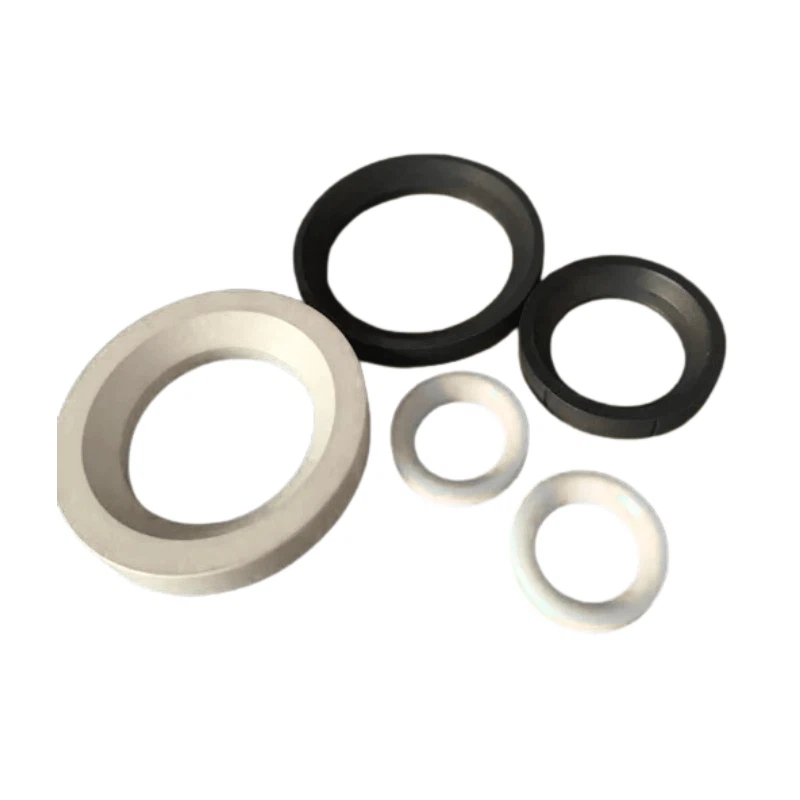
Applications of RPTFE Material Based on Compression Strength
1. Sealing Applications
In sealing applications, RPTFE is often used as gaskets and seals. These components are subjected to compressive forces to create a tight seal between two surfaces. The high compression strength of RPTFE ensures that the gaskets and seals can maintain their shape and integrity under pressure, preventing leakage of fluids or gases. For example, in chemical processing plants, RPTFE gaskets are used to seal pipelines and equipment, where they need to withstand high - pressure and corrosive environments. The compression strength of the RPTFE material ensures a reliable and long - lasting seal.
2. Bearings and Bushings
RPTFE is also used in the manufacturing of bearings and bushings. In these applications, the material needs to support the weight and the load of the rotating or sliding parts. The high compression strength of RPTFE allows it to withstand the contact pressures without deforming or wearing out quickly. This results in smooth operation and reduced friction, extending the service life of the bearings and bushings. For instance, in automotive and aerospace applications, RPTFE bearings are used to support various moving components, providing reliable performance under high - load conditions.
3. Structural Components
In some cases, RPTFE is used as structural components where it needs to bear significant compressive loads. For example, in certain machinery and equipment, RPTFE parts may be used to support heavy weights or to transfer loads. The compression strength of RPTFE ensures that these structural components can perform their functions safely and effectively.
Conclusion
The compression strength of RPTFE material is a critical property that determines its suitability for a wide range of applications. By understanding the factors that affect compression strength, such as filler content, manufacturing process, and temperature, we can optimize the material's performance to meet the specific requirements of our customers. Whether you need RPTFE material for high - temperature sealing, low - temperature applications, or heavy - load bearing components, we have the expertise and the products to provide you with the best solutions.
If you are interested in purchasing RPTFE material or have any questions about its compression strength or other properties, please feel free to contact us for further discussion and negotiation. We are committed to providing high - quality RPTFE products and excellent customer service.
References
- ASTM D695 - Standard Test Method for Compressive Properties of Rigid Plastics.
- "PTFE and Its Composites: Properties and Applications" by various authors in polymer science journals.
- Technical literature from PTFE and RPTFE material manufacturers.