


As a supplier of RPTFE Material, I often encounter inquiries from clients regarding the coefficient of thermal expansion of this remarkable material. In this blog post, I aim to provide a comprehensive understanding of the coefficient of thermal expansion of RPTFE Material, exploring its significance, influencing factors, and practical implications.

Understanding the Coefficient of Thermal Expansion
The coefficient of thermal expansion (CTE) is a fundamental property that describes how a material expands or contracts in response to changes in temperature. It is defined as the fractional change in length or volume per unit change in temperature. In the case of RPTFE Material, the CTE is a crucial parameter that determines its dimensional stability and performance under varying temperature conditions.
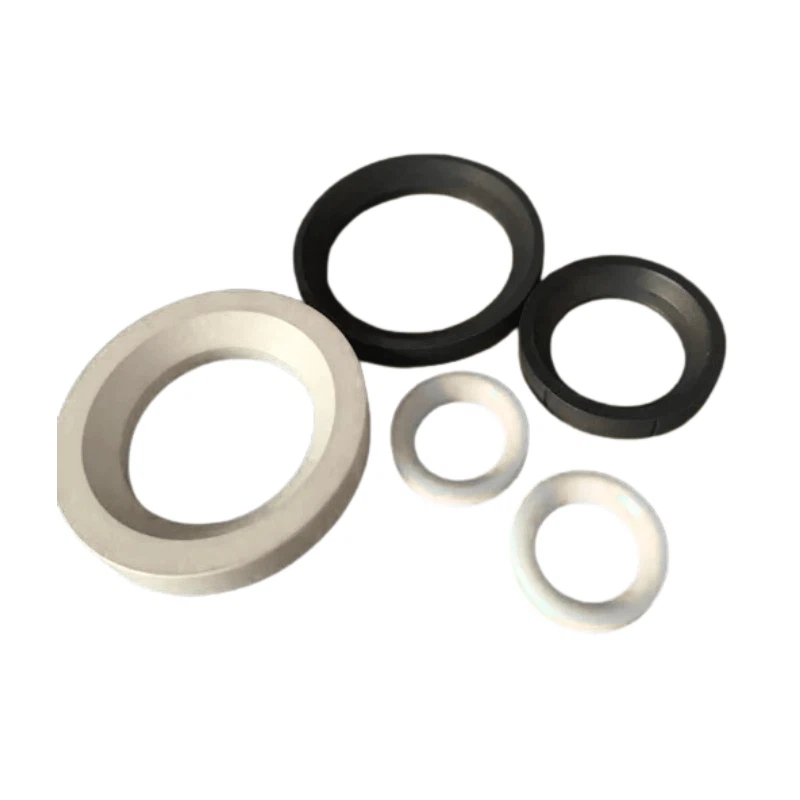
RPTFE, or Restructured Filled PTFE, is a high-performance engineering plastic known for its excellent chemical resistance, low friction coefficient, and high temperature resistance. Restructured Filled PTFE is a modified version of PTFE (polytetrafluoroethylene) that incorporates fillers and additives to enhance its mechanical properties and performance. The CTE of RPTFE Material can vary depending on the specific formulation and manufacturing process.
Significance of the Coefficient of Thermal Expansion
The CTE of RPTFE Material plays a vital role in various applications where dimensional stability is critical. For example, in precision engineering and manufacturing, even a small change in dimensions due to temperature fluctuations can lead to significant errors and affect the performance of components. In applications such as seals, gaskets, and bearings, the CTE of RPTFE Material must be carefully considered to ensure proper fit and function over a wide temperature range.
In addition, the CTE of RPTFE Material can also impact its compatibility with other materials. When RPTFE is used in combination with other materials, such as metals or ceramics, differences in the CTE can cause thermal stresses and lead to joint failure or delamination. Therefore, understanding the CTE of RPTFE Material is essential for designing reliable and long-lasting composite structures.
Influencing Factors
Several factors can influence the coefficient of thermal expansion of RPTFE Material. These include:
- Filler Content and Type: The addition of fillers to RPTFE can significantly affect its CTE. Different fillers have different thermal expansion properties, and the type and amount of filler used can be adjusted to tailor the CTE of the material. For example, adding glass fibers or carbon fibers to RPTFE can reduce its CTE and improve its dimensional stability.
- Manufacturing Process: The manufacturing process can also have an impact on the CTE of RPTFE Material. Factors such as molding temperature, pressure, and cooling rate can affect the molecular structure and orientation of the material, which in turn can influence its thermal expansion behavior.
- Temperature Range: The CTE of RPTFE Material is not constant and can vary with temperature. In general, the CTE increases with increasing temperature, but the rate of increase can depend on the specific material formulation.
Practical Implications
The coefficient of thermal expansion of RPTFE Material has several practical implications in real-world applications. Some of these include:
- Design Considerations: When designing components or systems using RPTFE Material, engineers must take into account the CTE of the material to ensure proper fit and function over the expected temperature range. This may involve selecting appropriate tolerances, using expansion joints, or designing for thermal stress relief.
- Material Selection: In applications where dimensional stability is critical, choosing a RPTFE Material with a low CTE can be beneficial. By carefully selecting the material based on its CTE and other properties, engineers can optimize the performance and reliability of the components.
- Testing and Validation: To ensure the performance of RPTFE components under varying temperature conditions, it is important to conduct thorough testing and validation. This may involve thermal cycling tests, dimensional stability tests, and other performance evaluations to verify that the components meet the required specifications.
Comparing RPTFE with Other Materials
When considering the use of RPTFE Material, it is often useful to compare its CTE with that of other materials. For example, compared to traditional plastics such as polyethylene or polypropylene, RPTFE generally has a lower CTE, which makes it more suitable for applications requiring high dimensional stability. However, compared to metals or ceramics, the CTE of RPTFE is relatively high, which may require special design considerations when using RPTFE in combination with these materials.
Conclusion
In conclusion, the coefficient of thermal expansion is an important property of RPTFE Material that has significant implications for its performance and application. As a supplier of RPTFE Material, we understand the importance of providing our customers with high-quality products that meet their specific requirements. By carefully controlling the formulation and manufacturing process, we can produce RPTFE materials with tailored CTE values to suit a wide range of applications.
If you are interested in learning more about the coefficient of thermal expansion of RPTFE Material or are considering using RPTFE in your next project, we encourage you to contact us for more information. Our team of experts is available to provide technical support and guidance to help you select the right RPTFE Material for your needs.
References
- "Handbook of Plastics, Elastomers, and Composites" by Charles A. Harper
- "Engineering Plastics: Properties and Applications" by James F. Shackelford
- "Polytetrafluoroethylene (PTFE) and Its Composites" by R. B. Seymour and C. E. Carraher Jr.


