Is RPTFE Flammable?
As a supplier of Reprocessed Polytetrafluoroethylene (RPTFE), I often encounter questions from customers regarding the properties of our product, one of the most common being its flammability. In this blog post, I'll delve into the science behind RPTFE's flammability, its real - world applications, and how these aspects are relevant to our customers.
Understanding RPTFE
RPTFE is a type of fluoropolymer. It is derived from recycled PTFE materials, which are then reprocessed to meet specific industry requirements. PTFE, the base material, is well - known for its exceptional chemical resistance, low friction coefficient, and high - temperature stability. RPTFE inherits many of these properties, making it a popular choice in various industries such as automotive, chemical processing, and aerospace.
The RPTFE Teflon variant is a prime example of our high - quality RPTFE products. It combines the benefits of Teflon with the economic advantages of reprocessed materials, offering a cost - effective solution without compromising on performance.
Flammability of RPTFE
To answer the question "Is RPTFE flammable?", we need to look at its chemical structure and the conditions under which it can react with oxygen. RPTFE, like its parent material PTFE, has a very high resistance to combustion.
The carbon - fluorine bonds in RPTFE are extremely strong. Fluorine is highly electronegative, which means it holds onto the electrons in the bond tightly. This strong bond makes it difficult for the material to break down and react with oxygen, the key component for combustion.
Under normal atmospheric conditions, RPTFE will not catch fire easily. It has a high ignition temperature, typically well above the temperatures encountered in most industrial and commercial settings. For instance, in a standard office or factory environment, the ambient temperature is far below the level at which RPTFE could ignite.
However, it's important to note that under extreme conditions, such as exposure to very high temperatures (above 500°C) and an oxygen - rich environment, RPTFE can start to decompose. During decomposition, it may release small amounts of toxic gases, such as carbonyl fluoride and hydrogen fluoride. These gases are a concern not because of the flammability of RPTFE itself, but due to their potential health hazards.
In fire - safety terms, RPTFE is often classified as a non - flammable or self - extinguishing material. When exposed to a flame, it will not continue to burn once the flame source is removed. This property makes it a reliable choice in applications where fire safety is a concern.
Applications of RPTFE and Its Flammability Considerations
Chemical Processing Industry
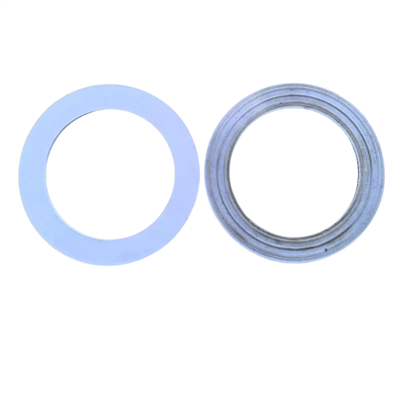
In the chemical processing industry, RPTFE is used in gaskets, seals, and linings. These components need to withstand harsh chemicals and high temperatures. The non - flammable nature of RPTFE is a significant advantage here. For example, in a chemical reactor where there may be flammable chemicals present, using RPTFE gaskets reduces the risk of additional fire hazards. The RPTFE in Valve applications are also crucial in this industry, as valves need to be reliable and safe under various operating conditions.


Automotive Industry
In the automotive sector, RPTFE is used in fuel systems, brake systems, and electrical components. In fuel systems, where there is a constant presence of flammable fuels, the non - flammable property of RPTFE helps prevent potential fire risks. In electrical components, it provides insulation and protection, reducing the chances of electrical fires.
Aerospace Industry
The aerospace industry demands materials that are lightweight, strong, and fire - resistant. RPTFE meets these requirements. It is used in wiring insulation, seals, and gaskets in aircraft. The high - altitude and high - stress environment of aerospace applications require materials that can withstand extreme conditions without posing a fire hazard.
RPTFE at Low Temperatures
Another aspect to consider is the performance of RPTFE at low temperatures. The RPTFE Low Temperature variant of our product is designed to maintain its non - flammable and other mechanical properties even in cold environments.
At low temperatures, RPTFE remains flexible and does not become brittle. This is important because brittle materials can crack, which may lead to potential safety issues. The non - flammable nature of RPTFE at low temperatures is also crucial, especially in applications such as cryogenic storage and transportation, where there may be flammable substances present.
Conclusion and Call to Action
In conclusion, RPTFE is generally considered a non - flammable material under normal conditions. Its high resistance to combustion, along with its other excellent properties such as chemical resistance and low friction, makes it a valuable material in a wide range of industries.
Whether you're in the chemical processing, automotive, or aerospace industry, our RPTFE products can offer you a reliable and cost - effective solution. If you're interested in learning more about our RPTFE products, or if you have specific requirements for your projects, we encourage you to reach out to us for a detailed discussion. We're committed to providing high - quality RPTFE products that meet your needs and ensure the safety and efficiency of your operations.
References
- "Fluoropolymers: Chemistry and Applications" by John Scheirs.
- "Handbook of Polymer Science and Technology" edited by Joel R. Fried.
- Technical data sheets from leading fluoropolymer manufacturers.