Hey there! As a supplier of Modified PTFE Sheet, I often get asked, "Is Modified PTFE Sheet waterproof?" Well, let's dive right into it and find out.
First off, let's understand what Modified PTFE is. PTFE, or polytetrafluoroethylene, is a well - known synthetic fluoropolymer. It's got some amazing properties like high heat resistance, low friction, and excellent chemical resistance. But Modified PTFE takes it a step further. You can check out more about Modified PTFE on our website. Chemically, it's tweaked to enhance certain characteristics for specific applications. If you're interested in the chemical side of things, Chemically Modified PTFE has all the details.
Now, back to the waterproof question. PTFE in its natural state is already hydrophobic, which means it repels water. This is because of its molecular structure. The carbon - fluorine bonds in PTFE are extremely strong and non - polar. Water molecules, being polar, don't have an affinity for the non - polar PTFE surface. So, water just beads up and rolls off, kind of like water on a duck's back.
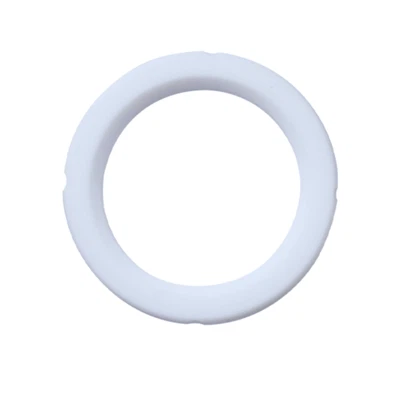
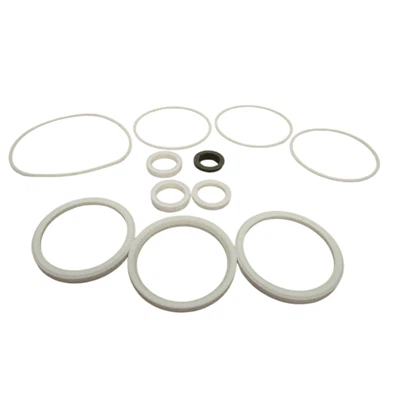
When we talk about Modified PTFE, the waterproof nature generally remains intact. The modifications are usually aimed at improving other properties like mechanical strength, wear resistance, or dielectric properties, without sacrificing the waterproofness. For example, in some applications where a MPTFE Seat Material is used, it needs to withstand exposure to water and other fluids while maintaining its sealing performance.
Let's look at some real - world examples. In the marine industry, Modified PTFE sheets are used in various components. Boats are constantly exposed to water, and any material used on them needs to be waterproof. Modified PTFE sheets can be used for gaskets, seals, and even in some electrical insulation applications on boats. The waterproof property ensures that there is no water ingress, which could lead to corrosion or short - circuits.
In the automotive industry, too, Modified PTFE sheets find their use. In engine compartments, where there's a risk of water splashing from rain or when driving through puddles, the waterproof nature of Modified PTFE sheets helps protect sensitive components. They can be used as seals around sensors or in areas where there's a need to prevent water from getting into critical parts.
Another area is the food and beverage industry. Hygiene is of utmost importance here, and water is a common cleaning agent. Modified PTFE sheets can be used in equipment where they come into contact with water during the cleaning process. Since they're waterproof, they're easy to clean and don't absorb water, which could otherwise lead to the growth of bacteria or mold.
However, it's important to note that while Modified PTFE sheets are waterproof, there are some limitations. Under extremely high pressures, water can sometimes penetrate the material, especially if there are any microscopic defects or cracks in the sheet. Also, if the Modified PTFE is exposed to certain chemicals that can react with it over time, it might affect the waterproofing performance. But these are more of extreme cases and can be managed with proper handling and selection of the right type of Modified PTFE for the specific application.
Now, let's talk about how we test the waterproofness of our Modified PTFE sheets. We use a variety of methods. One common test is the water droplet test. We simply place a few drops of water on the surface of the sheet and observe how they behave. If the water beads up and rolls off easily, it's a good sign that the sheet is waterproof.
We also do more rigorous tests, like the water immersion test. We immerse a sample of the Modified PTFE sheet in water for a certain period, usually 24 hours or more. After that, we check for any signs of water absorption, such as an increase in weight or a change in the appearance of the sheet. If there are no significant changes, it means the sheet has passed the test.


In addition to these physical tests, we also rely on the knowledge of the material's chemical properties. As I mentioned earlier, the strong carbon - fluorine bonds in PTFE are the key to its waterproofness, and these bonds remain stable in Modified PTFE as well.
So, to answer the question, yes, Modified PTFE sheets are generally waterproof. They offer a great combination of waterproofness along with other enhanced properties, making them suitable for a wide range of applications.
If you're in the market for high - quality Modified PTFE sheets and are interested in learning more about our products, or if you have specific requirements for your project, don't hesitate to reach out. We're always happy to have a chat and help you find the right solution for your needs. Whether it's for a small - scale DIY project or a large - scale industrial application, we've got you covered.
References:
- "Fluoropolymers Handbook" by Andrew J. Appleby
- "Polymers in Engineering Applications" by John M. Schultz