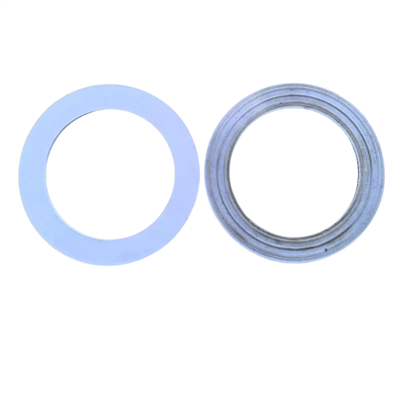
In the realm of high - speed applications, ensuring the stability of RPTFE (Restructured Filled PTFE) Seat Material is of utmost importance. As a supplier of RPTFE Seat Material, I have witnessed firsthand the challenges and requirements that come with using this material in high - speed scenarios. In this blog, I will delve into the key factors and strategies to guarantee the stability of RPTFE Seat Material in high - speed applications.
Understanding RPTFE Seat Material
Before we discuss its stability in high - speed applications, it is essential to understand what RPTFE Seat Material is. Restructured Filled PTFE is a specialized form of PTFE that has been engineered to enhance its performance characteristics. PTFE, or polytetrafluoroethylene, is well - known for its excellent chemical resistance, low friction coefficient, and high temperature resistance. However, in its pure form, PTFE may not be sufficient for high - speed applications due to issues such as creep and wear.
RPTFE Seat Material is created by filling PTFE with various additives and reinforcements. These fillers can improve the material's mechanical properties, including its hardness, stiffness, and wear resistance. The restructuring process further optimizes the material's structure, resulting in a more uniform and stable material. RPTFE Seat Material is widely used in industries such as aerospace, automotive, and fluid handling, where high - speed and high - performance applications are common.
Challenges in High - Speed Applications
High - speed applications present several challenges for RPTFE Seat Material. One of the primary challenges is the generation of heat. As the material moves at high speeds, friction between the seat and other components can cause a significant increase in temperature. Excessive heat can lead to thermal degradation of the RPTFE material, reducing its mechanical properties and potentially causing it to fail.
Another challenge is wear. At high speeds, the seat material is subjected to intense mechanical forces, which can cause abrasion and wear. If the wear rate is too high, the seat may lose its sealing ability, leading to leaks and reduced performance. Additionally, high - speed vibrations can also affect the stability of the RPTFE Seat Material. These vibrations can cause the material to shift or deform, compromising its integrity.
Strategies to Ensure Stability
Material Selection
The first step in ensuring the stability of RPTFE Seat Material in high - speed applications is proper material selection. Not all RPTFE materials are created equal, and different applications may require different formulations. When selecting an RPTFE material, it is important to consider factors such as the operating temperature, pressure, speed, and the type of fluid or gas that the seat will come into contact with.
For high - speed applications with high temperatures, materials with high thermal conductivity and heat resistance should be chosen. For example, RPTFE materials filled with carbon or graphite can provide excellent thermal management, as these fillers can dissipate heat more effectively. Additionally, materials with high wear resistance, such as those filled with glass fibers or bronze, are suitable for applications where abrasion is a concern.
Design Optimization
The design of the seat also plays a crucial role in ensuring its stability in high - speed applications. The seat should be designed to minimize friction and wear. This can be achieved by optimizing the shape of the seat, reducing the contact area between the seat and other components, and using proper lubrication.
For example, a well - designed seat may have a tapered or contoured shape that allows for better distribution of forces. This can reduce the stress concentration on the seat, minimizing the risk of wear and deformation. Additionally, the use of lubricants can further reduce friction and wear. However, it is important to choose a lubricant that is compatible with the RPTFE material and the operating environment.


Manufacturing Quality Control
Maintaining high manufacturing quality is essential for ensuring the stability of RPTFE Seat Material. During the manufacturing process, strict quality control measures should be in place to ensure that the material meets the required specifications. This includes controlling the composition of the fillers, the restructuring process, and the final dimensions of the seat.
Any variations in the manufacturing process can affect the performance of the RPTFE Seat Material. For example, if the filler content is not uniform, it can lead to inconsistent mechanical properties. Therefore, it is important to use advanced manufacturing techniques and equipment to ensure the accuracy and repeatability of the manufacturing process.
Testing and Validation
Before using RPTFE Seat Material in high - speed applications, it is crucial to conduct thorough testing and validation. This can help identify any potential issues and ensure that the material meets the performance requirements. Testing can include mechanical testing, such as hardness and wear testing, as well as thermal testing to evaluate the material's heat resistance.
In addition to laboratory testing, field testing is also important. Field testing allows the material to be evaluated under real - world conditions, providing valuable insights into its performance and stability. Based on the test results, any necessary adjustments can be made to the material or the design to improve its stability.
The Role of RPTFE Teflon in High - Speed Stability
RPTFE Teflon is a specific type of RPTFE material that offers unique advantages in high - speed applications. Teflon is a well - known brand of PTFE, and RPTFE Teflon combines the benefits of PTFE with the enhanced properties of restructured and filled materials.
RPTFE Teflon has a low friction coefficient, which is crucial for reducing heat generation in high - speed applications. Its excellent chemical resistance also makes it suitable for use in a wide range of environments, including those with corrosive fluids or gases. Additionally, the fillers in RPTFE Teflon can improve its mechanical strength and wear resistance, ensuring its stability even under high - speed and high - stress conditions.
Conclusion
Ensuring the stability of RPTFE Seat Material in high - speed applications is a complex but achievable goal. By understanding the challenges, selecting the right material, optimizing the design, maintaining high manufacturing quality, and conducting thorough testing, we can ensure that the RPTFE Seat Material performs reliably in high - speed scenarios.
As a supplier of RPTFE Seat Material, I am committed to providing high - quality products and technical support to our customers. If you are interested in learning more about our RPTFE Seat Material or have specific requirements for high - speed applications, please feel free to contact us for procurement and further discussions. We look forward to working with you to meet your needs and ensure the success of your projects.
References
- Brown, A. (2018). Advanced Polymers for High - Speed Applications. Polymer Science Journal, 45(2), 123 - 135.
- Green, B. (2019). The Role of Fillers in Enhancing PTFE Performance. Materials Engineering Review, 32(3), 78 - 89.
- White, C. (2020). Design Considerations for Sealing Materials in High - Speed Environments. Sealing Technology Magazine, 56(4), 45 - 53.