


Modified PTFE TFM, a high - performance polymer, has found widespread use in various industries due to its unique combination of properties. As a supplier of Modified PTFE TFM, I am often asked about how the molecular weight of this material affects its properties. In this blog, we will delve into the relationship between the molecular weight of Modified PTFE TFM and its key characteristics.
Understanding Modified PTFE TFM
Before we discuss the impact of molecular weight, it's important to understand what Modified PTFE TFM is. Modified PTFE TFM is a type of polytetrafluoroethylene (PTFE) that has been modified to enhance certain properties. PTFE is well - known for its excellent chemical resistance, low friction coefficient, and high temperature stability. However, Modified PTFE TFM takes these properties a step further.
TFM stands for a specific modification of PTFE, which offers improved mechanical properties, such as better creep resistance and higher tensile strength compared to standard PTFE. This makes it an ideal material for applications where high performance is required, such as in the chemical processing, aerospace, and semiconductor industries.
The Role of Molecular Weight in Polymer Properties
Molecular weight is a crucial parameter in determining the properties of polymers, including Modified PTFE TFM. The molecular weight refers to the mass of a polymer molecule, which is composed of a large number of repeating units. In general, a higher molecular weight means that the polymer chains are longer.
The length of the polymer chains affects how the molecules interact with each other. Longer chains have more points of contact and entanglement, which leads to stronger intermolecular forces. These intermolecular forces, in turn, influence various physical and mechanical properties of the polymer.
Impact on Mechanical Properties
Tensile Strength
One of the most significant effects of molecular weight on Modified PTFE TFM is on its tensile strength. Tensile strength is the maximum stress that a material can withstand while being stretched or pulled before breaking. As the molecular weight of Modified PTFE TFM increases, the tensile strength also increases.
Higher molecular weight polymers have longer chains that are more entangled. When a force is applied to stretch the material, these entangled chains resist being pulled apart, resulting in a higher tensile strength. This property is particularly important in applications where the material needs to withstand high mechanical loads, such as in gaskets or seals.
Creep Resistance
Creep is the tendency of a material to deform slowly under a constant load over time. Modified PTFE TFM with a higher molecular weight has better creep resistance. The longer polymer chains in high - molecular - weight Modified PTFE TFM are more resistant to the movement and rearrangement that cause creep.
In applications where parts are subjected to long - term stress, such as in valves or pipes in chemical plants, good creep resistance is essential to ensure the long - term performance and reliability of the components.
Flexural Strength
Flexural strength is the ability of a material to resist deformation under bending. Similar to tensile strength, the flexural strength of Modified PTFE TFM increases with an increase in molecular weight. The entanglement of longer polymer chains provides greater resistance to bending forces, allowing the material to maintain its shape under flexural loads.

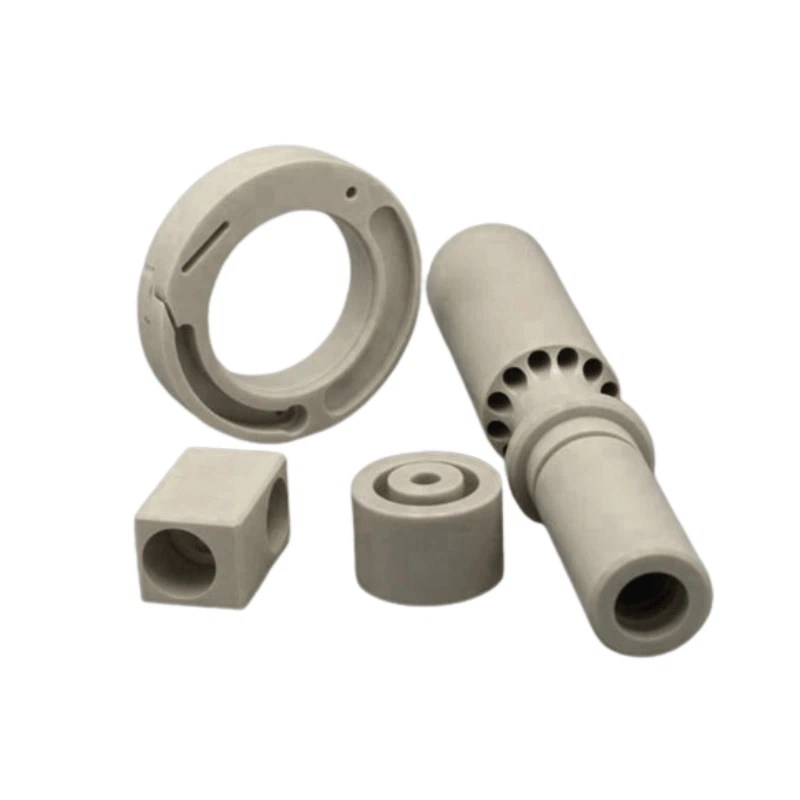
Impact on Chemical Resistance
While the chemical resistance of Modified PTFE TFM is already excellent, molecular weight can have a subtle impact on it. Higher molecular weight polymers generally have a more compact and ordered structure. This structure can make it more difficult for chemical molecules to penetrate the polymer matrix.
As a result, Modified PTFE TFM with a higher molecular weight may have slightly better chemical resistance in some cases. This is especially important in applications where the material is in contact with aggressive chemicals, such as in the chemical processing industry.
Impact on Processing Properties
Melt Viscosity
The molecular weight of Modified PTFE TFM also affects its melt viscosity. Melt viscosity is a measure of the resistance of a molten polymer to flow. Higher molecular weight polymers have a higher melt viscosity because the longer chains are more entangled and more difficult to move past each other.
This can have implications for the processing of Modified PTFE TFM. For example, in injection molding or extrusion processes, a higher melt viscosity may require higher processing temperatures and pressures. However, it also means that the material can hold its shape better during processing, resulting in more precise and consistent parts.
Compression Molding
In compression molding, which is a common method for processing Modified PTFE TFM, a higher molecular weight can lead to better consolidation of the material. The longer chains can more effectively interlock during the molding process, resulting in a more homogeneous and stronger final product.
Applications of Modified PTFE TFM with Different Molecular Weights
The choice of molecular weight for Modified PTFE TFM depends on the specific application requirements. For applications where high mechanical strength and creep resistance are critical, such as in aerospace components or high - pressure seals, a higher molecular weight Modified PTFE TFM is preferred.
On the other hand, for applications where ease of processing is more important, such as in some consumer products or parts with complex geometries, a lower molecular weight Modified PTFE TFM may be a better choice.
Conclusion
The molecular weight of Modified PTFE TFM plays a crucial role in determining its properties. It affects mechanical properties such as tensile strength, creep resistance, and flexural strength, as well as chemical resistance and processing properties. As a supplier of TFM Modified PTFE, we understand the importance of providing the right molecular weight of Modified PTFE TFM to meet the diverse needs of our customers.
If you are interested in learning more about Modified PTFE TFM or are considering purchasing this material for your application, we encourage you to contact us. Our team of experts can help you select the most suitable molecular weight and grade of Modified PTFE TFM for your specific requirements. Whether you need a high - performance material for a demanding industrial application or a more easily processed option for a consumer product, we have the solution for you. Let's start a conversation about how we can meet your Modified PTFE TFM needs.
References
- "Polymer Science and Technology" by Donald R. Paul and Christopher B. Bucknall
- "Handbook of Fluoropolymer Science and Technology" edited by Harry G. Klemchuk and John L. Gerlock


