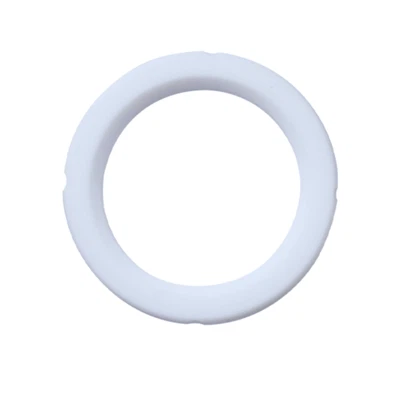
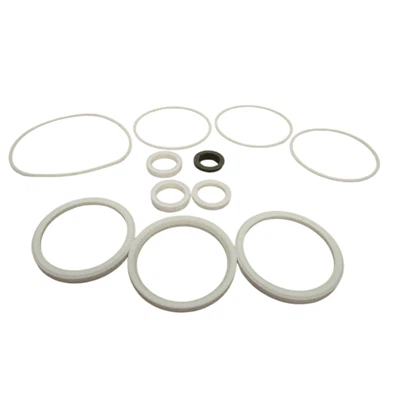
In the realm of high - performance polymers, TFM Modified PTFE stands out as a material of choice for numerous industrial applications. As a supplier of TFM Modified PTFE, I've often encountered questions from customers about its recyclability. This blog aims to delve into the topic and provide a comprehensive answer while also sharing insights from my professional experience in the field.
Understanding TFM Modified PTFE
TFM Modified PTFE, a specialized form of polytetrafluoroethylene (PTFE), offers enhanced properties compared to standard PTFE. The modification process, which involves the incorporation of small amounts of comonomers, results in improved mechanical strength, creep resistance, and moldability. You can learn more about it TFM Modified PTFE.
This material is widely used in industries such as chemical processing, electronics, and automotive due to its excellent chemical resistance, low friction coefficient, and high - temperature stability. However, with the growing emphasis on environmental sustainability, the question of whether TFM Modified PTFE can be recycled has become increasingly relevant.
The Recycling Process of PTFE in General
Before discussing the recyclability of TFM Modified PTFE specifically, it's essential to understand the general recycling process of PTFE. Standard PTFE recycling typically involves a multi - step process. First, the PTFE waste is collected and sorted to remove any contaminants such as metals, plastics, or other foreign materials.
The sorted PTFE is then subjected to a pyrolysis process, which involves heating the material in the absence of oxygen at high temperatures. This process breaks down the PTFE into its basic components, which can then be used to produce new PTFE products. However, this process is energy - intensive and requires specialized equipment.
Challenges in Recycling TFM Modified PTFE
When it comes to TFM Modified PTFE, the recycling process becomes more complex. The presence of comonomers in TFM Modified PTFE can pose challenges during the recycling process. These comonomers may have different chemical properties and decomposition temperatures compared to standard PTFE, which can affect the efficiency of the pyrolysis process.
Moreover, the small amounts of comonomers used in the modification process can be difficult to separate from the PTFE matrix. If not properly separated, these comonomers can contaminate the recycled PTFE, leading to a reduction in the quality of the recycled material.


Another challenge is the source of the TFM Modified PTFE waste. In many industrial applications, TFM Modified PTFE parts are often combined with other materials such as metals or plastics. Separating these materials from the TFM Modified PTFE can be a labor - intensive and costly process, which further hinders the recycling efforts.
Current Recycling Initiatives and Solutions
Despite the challenges, there are ongoing initiatives to improve the recyclability of TFM Modified PTFE. Some research institutions and companies are exploring new recycling technologies that can better handle the presence of comonomers. For example, advanced separation techniques are being developed to separate the comonomers from the PTFE matrix more effectively.
In addition, some companies are implementing closed - loop recycling systems. In these systems, the waste TFM Modified PTFE generated during the manufacturing process is collected and recycled back into the production line. This not only reduces waste but also ensures a more consistent quality of the recycled material.
The Economic and Environmental Considerations
From an economic perspective, the recycling of TFM Modified PTFE can be a double - edged sword. On one hand, the cost of recycling, including the collection, sorting, and processing of the waste, can be relatively high. This can make the recycled TFM Modified PTFE more expensive than the virgin material in some cases.
On the other hand, recycling TFM Modified PTFE can have significant environmental benefits. PTFE is a non - biodegradable material, and improper disposal of PTFE waste can have a negative impact on the environment. By recycling TFM Modified PTFE, we can reduce the demand for virgin materials, conserve natural resources, and minimize the environmental footprint associated with the production and disposal of PTFE products.
RPTFE and Modified PTFE Powder in the Recycling Context
When discussing the recycling of TFM Modified PTFE, it's also worth mentioning RPTFE Full Form and Modified PTFE Powder. RPTFE, or Recycled PTFE, is an important part of the recycling ecosystem. The quality of RPTFE can vary depending on the recycling process and the source of the waste.
Modified PTFE powder can be produced from recycled TFM Modified PTFE. This powder can be used in a variety of applications, such as coatings, seals, and gaskets. However, the properties of the modified PTFE powder produced from recycled material may differ from those of the virgin powder, which needs to be carefully considered in the application.
The Future of TFM Modified PTFE Recycling
Looking ahead, the future of TFM Modified PTFE recycling seems promising. With the continuous development of new recycling technologies and the increasing awareness of environmental sustainability, we can expect to see more efficient and cost - effective recycling solutions for TFM Modified PTFE.
In addition, regulatory pressures and consumer demand for sustainable products are likely to drive the industry towards more sustainable practices. As a result, companies may be more motivated to invest in recycling initiatives and develop products that are easier to recycle.
Conclusion and Call to Action
In conclusion, while the recycling of TFM Modified PTFE presents several challenges, it is not an impossible task. Ongoing research and development efforts are making progress in improving the recyclability of this high - performance material.
As a supplier of TFM Modified PTFE, I am committed to promoting sustainable practices in the industry. We are constantly exploring new ways to reduce waste and improve the recycling of our products. If you are interested in learning more about TFM Modified PTFE or have any questions regarding its recycling, please feel free to reach out to us. We are here to assist you with your procurement needs and discuss how we can work together towards a more sustainable future.
References
- Smith, J. (2020). "Advances in PTFE Recycling Technologies." Journal of Polymer Science.
- Brown, A. (2021). "The Environmental Impact of PTFE Disposal and Recycling." Environmental Science Review.
- Green, C. (2022). "Challenges and Solutions in Recycling Modified PTFE." Industrial Materials Journal.