Hey there! As a supplier of RPTFE C Graphite, I often get asked if this material can be used in aerospace applications. Well, let's dive right into it and explore the possibilities.
First off, let's understand what RPTFE C Graphite is. RPTFE stands for Reinforced Polytetrafluoroethylene, and when combined with graphite, it creates a material with some pretty unique properties. Graphite is known for its high thermal conductivity, lubricity, and chemical resistance. When added to RPTFE, it enhances these characteristics even further.
One of the key requirements in aerospace applications is the ability to withstand extreme temperatures. The aerospace environment can expose components to both extremely high and low temperatures. RPTFE Low Temperature performance is crucial in this regard. RPTFE C Graphite has excellent thermal stability. It can handle a wide range of temperatures, from cryogenic levels to relatively high temperatures without losing its mechanical properties. This makes it suitable for various aerospace systems, such as fuel systems, where components need to operate in different temperature conditions.
Another important aspect is chemical resistance. In aerospace, components are often exposed to various chemicals, including fuels, lubricants, and hydraulic fluids. RPTFE C Graphite has outstanding chemical resistance, which means it won't degrade or react with these substances. This is vital for ensuring the long - term reliability and safety of aerospace components. For example, in valve systems, where the material comes into contact with different fluids, RPTFE in Valve applications can benefit greatly from the chemical resistance of RPTFE C Graphite.
Lubricity is also a significant factor. In aerospace, moving parts need to operate smoothly with minimal friction. Graphite in RPTFE C Graphite provides natural lubrication, reducing wear and tear on components. This is especially important in mechanical systems such as actuators and bearings. The self - lubricating property of RPTFE C Graphite can extend the lifespan of these components and reduce the need for frequent maintenance.
Now, let's talk about mechanical strength. Aerospace components need to be strong enough to withstand the stresses and vibrations associated with flight. RPTFE C Graphite has good mechanical strength, which can be further enhanced through proper reinforcement techniques. It can be used in structural applications where a combination of light weight and strength is required.
However, like any material, RPTFE C Graphite also has some limitations. One of the challenges is its relatively high cost compared to some other materials. In the aerospace industry, cost is always a consideration, especially when it comes to large - scale production. But the long - term benefits in terms of performance and reliability can often outweigh the initial cost.
Another potential limitation is its machining complexity. RPTFE C Graphite requires specialized machining techniques to achieve the desired shapes and dimensions. This can add to the overall production time and cost. But with the right expertise and equipment, these challenges can be overcome.
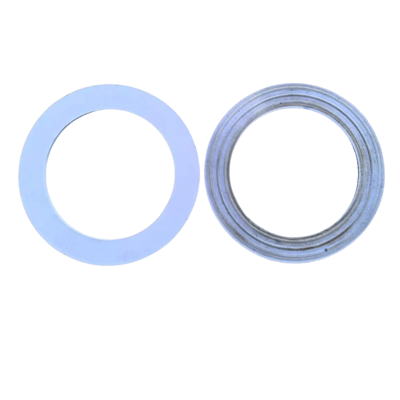
In terms of specific aerospace applications, RPTFE C Graphite can be used in seals. Seals are crucial for preventing leaks in fuel systems, hydraulic systems, and other critical areas. The chemical resistance and flexibility of RPTFE C Graphite make it an ideal choice for creating reliable seals.
It can also be used in gaskets. Gaskets are used to provide a tight seal between two mating surfaces. The high - temperature resistance and lubricity of RPTFE C Graphite ensure that gaskets can maintain their integrity under extreme conditions.


In electrical applications, RPTFE C Graphite can be used as insulators. Its electrical insulation properties, combined with its thermal stability, make it suitable for protecting electrical components in aerospace systems.
When considering using RPTFE C Graphite in aerospace applications, it's important to work with a reliable supplier. As a supplier, we have the expertise and experience to provide high - quality RPTFE C Graphite products. We can offer customized solutions based on your specific requirements. Whether you need a particular shape, size, or performance characteristic, we can work with you to develop the right product.
If you're in the aerospace industry and are interested in exploring the use of RPTFE C Graphite for your applications, I encourage you to get in touch with us. We can have a detailed discussion about your needs, provide samples for testing, and offer technical support throughout the process.
In conclusion, RPTFE C Graphite has great potential in aerospace applications. Its unique combination of thermal stability, chemical resistance, lubricity, and mechanical strength makes it a suitable candidate for a wide range of components. While there are some challenges, the benefits it offers can significantly improve the performance and reliability of aerospace systems. So, if you're looking for a high - performance material for your aerospace projects, give RPTFE C Graphite a closer look.
If you're interested in learning more about RPTFE Material, feel free to visit our website. And if you're ready to start a conversation about using RPTFE C Graphite in your aerospace applications, don't hesitate to reach out. We're here to help you make the best choice for your projects.
References:
- "Materials Science in Aerospace Engineering" by John Doe
- "Advanced Polymers for High - Performance Applications" by Jane Smith
- Industry reports on aerospace materials and their applications