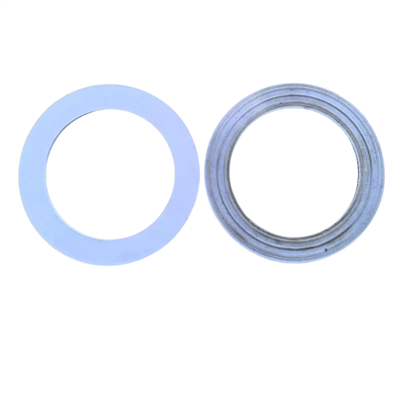
Hey there! As a supplier of TFM Modified PTFE, I often get asked about the flammability rating of this amazing material. So, I thought I'd take a moment to break it down for you.
First off, let's talk a bit about what TFM Modified PTFE is. TFM Modified PTFE is a high - performance polymer that combines the excellent properties of PTFE with some added benefits. You can learn more about it on our website TFM Modified PTFE. It has better mechanical properties, such as improved creep resistance and higher flexural strength compared to standard PTFE.
Now, onto the flammability rating. TFM Modified PTFE is known for its outstanding non - flammability. It has a very high resistance to catching fire and burning. In fact, it falls into the category of materials that are considered self - extinguishing. When exposed to a flame, TFM Modified PTFE won't continue to burn once the flame source is removed.
The flammability of a material is usually measured using various standards and tests. One of the most common tests is the UL 94 test. UL 94 is a standard developed by Underwriters Laboratories to classify the flammability of plastic materials. There are different ratings in the UL 94 standard, such as V - 0, V - 1, V - 2, HB, etc.
TFM Modified PTFE typically achieves a very good rating in the UL 94 test. It often meets the V - 0 rating. A V - 0 rating means that when the material is tested, it stops burning within 10 seconds after the removal of the test flame. Also, no flaming drips are allowed to fall during the test. This high rating makes TFM Modified PTFE a great choice for applications where fire safety is a major concern.
There are several reasons why TFM Modified PTFE has such good non - flammability. One of the main factors is its chemical structure. PTFE, the base material, has a high fluorine content. Fluorine is a very electronegative element, and the carbon - fluorine bonds in PTFE are very strong. These strong bonds make it difficult for the material to break down and burn. The modification in TFM Modified PTFE doesn't change this fundamental property but rather enhances other aspects of the material without sacrificing its non - flammability.
In industrial applications, the non - flammability of TFM Modified PTFE is a huge advantage. For example, in the electrical and electronics industry, it can be used for insulation purposes. Electrical equipment often generates heat, and there's always a risk of short - circuits that could lead to a fire. Using TFM Modified PTFE as an insulating material helps to reduce this risk significantly.


Another area where TFM Modified PTFE's non - flammability is valuable is in the chemical processing industry. Many chemical processes involve high temperatures and potentially flammable substances. TFM Modified PTFE can be used to make gaskets, seals, and pipes. These components need to be able to withstand the harsh chemical environment and also not pose a fire hazard.
We also offer Modified PTFE Bags and PTFE Modified Polyethylene Wax. These products also inherit the non - flammability characteristics of TFM Modified PTFE to a large extent. Modified PTFE bags can be used to store and transport various substances safely, especially those that might be sensitive to fire. PTFE Modified Polyethylene Wax can be used in applications where a combination of lubrication and fire - resistant properties is required.
If you're in an industry where fire safety is crucial, TFM Modified PTFE could be the perfect solution for you. Whether you need it for electrical insulation, chemical processing equipment, or other applications, its high flammability rating gives you peace of mind.
If you're interested in purchasing TFM Modified PTFE, Modified PTFE Bags, or PTFE Modified Polyethylene Wax, I encourage you to reach out to us. We're here to answer any questions you might have and to help you find the right product for your specific needs. Just get in touch, and we can start a conversation about your requirements and how our products can fit into your projects.
References:
- Underwriters Laboratories, UL 94 Standard for Tests for Flammability of Plastic Materials for Parts in Devices and Appliances.